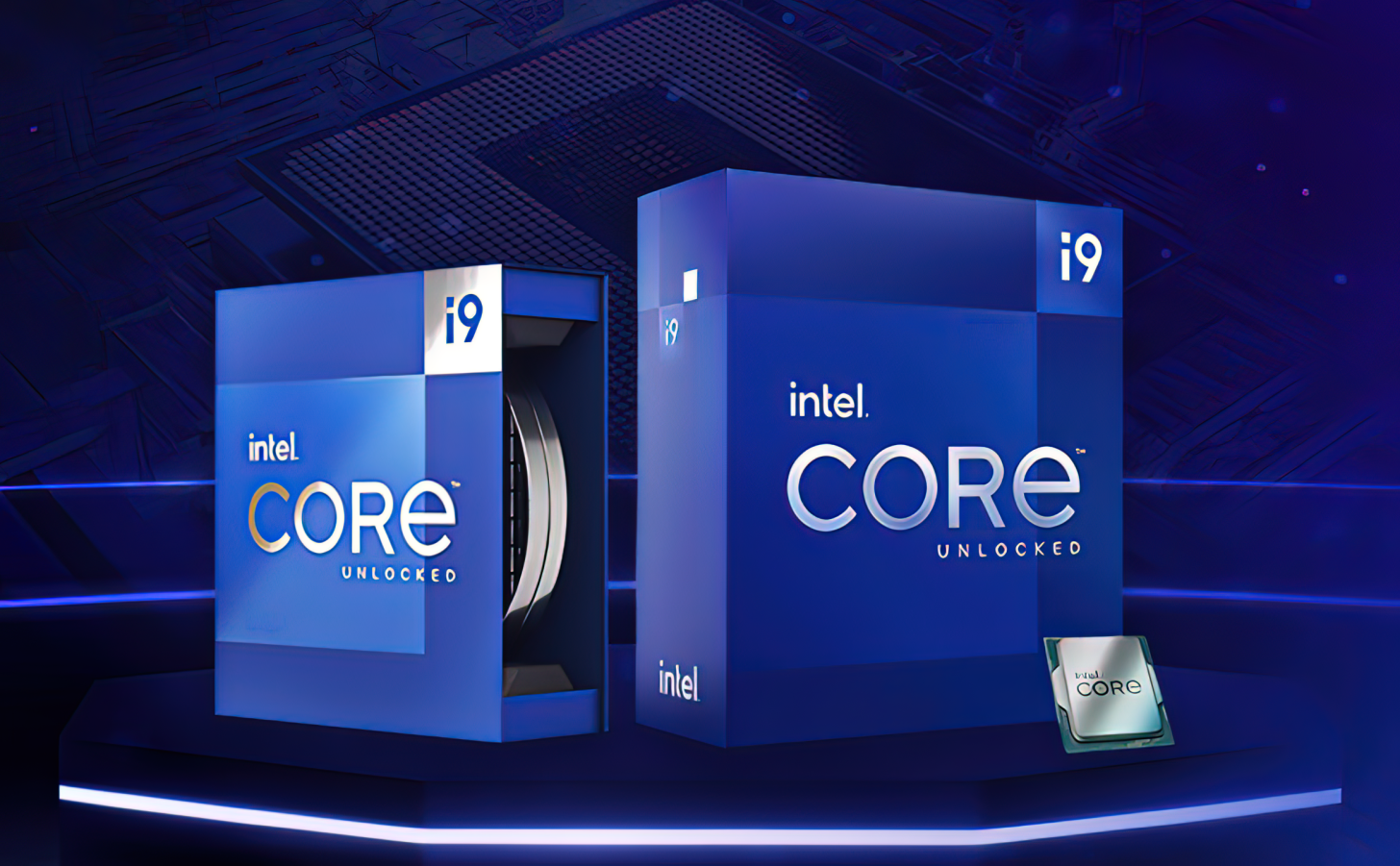
Intel reportedly plans to raise prices on its 13th and 14th Gen Raptor Lake processors, with increases said to exceed 10% as supply tightens and demand for newer, AI-focused chips disappoints. Multiple industry sources suggest constraints across the supply chain and muted enthusiasm for “AI PCs” are contributing to the shift, even as Intel declined to comment on the reports.
Raptor Lake launched in October 2022 and now sits two generations behind the newest silicon, yet it remains a strong contender—especially on desktops. Thanks to underwhelming early traction for newer platforms like Arrow Lake, the 14th Gen Raptor Lake refresh still ranks among the fastest options for gaming. Aggressive discounts in recent months also made these chips a go-to value play for mainstream PC builders. While Arrow Lake and newer Core Ultra parts deliver better efficiency—particularly important for laptops—the older Raptor Lake lineup often offers more performance per dollar on the desktop side.
If the reported changes hit retail, buyers could see per-chip price bumps of around $20, with some SKUs exceeding that depending on market conditions. That adds pressure to a PC market already bracing for higher component costs, as memory makers are also raising DRAM prices, in some cases by as much as 30%. Although major retailers haven’t broadly reflected these CPU hikes yet, a tighter channel supply through the coming months could push street prices upward.
Behind the scenes, analysts point to a few drivers:
– Inventory and capacity tightness for older-gen parts, which are still in demand
– Slower-than-expected sales of Arrow Lake, Lunar Lake, and Meteor Lake systems
– A consumer shift prioritizing traditional CPU/GPU performance over early NPU/AI features
What this means if you’re building or upgrading:
– Considering a Raptor Lake desktop build? Buying sooner may avoid potential increases.
– Watch bundle deals and retailer promos; they can offset rising CPU and DRAM costs.
– Laptop buyers focused on battery life and efficiency may still prefer newer platforms, but value seekers could find Raptor Lake-based systems attractive if pricing holds.
Looking ahead, Intel’s next-gen Panther Lake CPUs are expected later this year. To win over upgraders, the company will likely need to deliver clear generation-over-generation gains that go beyond AI acceleration alone. If the improvements are meaningful in real-world performance, efficiency, and platform features, they could shift demand back toward the newest lineup. Until then, Raptor Lake’s combination of speed and value is keeping it firmly in the conversation—even as prices appear set to climb.