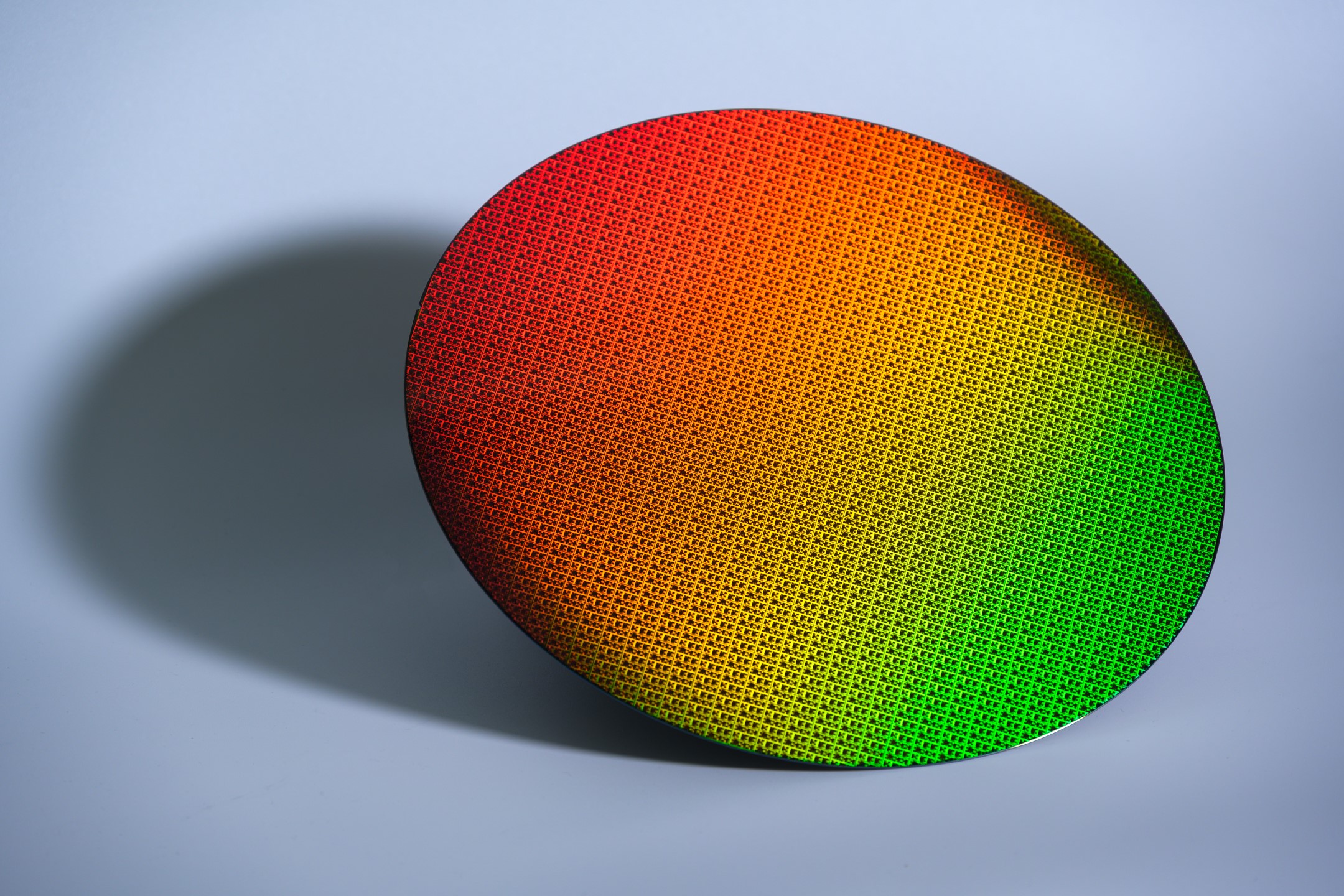
Intel is facing a formidable challenge as its highly anticipated 18A process, heralded as a potential “turning point” for Intel Foundry, is reportedly achieving a mere 10% yield rate. This revelation has sent shockwaves through the market, raising questions about the future of Intel’s foundry business.
The path has not been smooth for Intel, as the company struggles to regain its footing in the semiconductor industry. All divisions are feeling the pinch, with Intel Foundry—a critical component of the company’s strategy to bounce back economically—experiencing significant hurdles. These challenges arise largely from stiff competition and underwhelming performance metrics.
A report from Korean media casts doubt on Intel Foundry’s ability to bring the 18A process to mass production due to these dismal yields. Broadcom, considered a key customer of Intel Foundry Services (IFS), has reportedly withdrawn its partnership, dissatisfied with the process’s low production capabilities. This lack of confidence signifies a critical setback for Intel.
The impact of these struggles on the company’s leadership has been profound. There are claims that Intel’s CEO, Pat Gelsinger, was let go partly because of the disappointing progress with Intel Foundry. The failure to secure larger subsidies from the US government, exacerbated by the foundry division’s struggles, reportedly contributed to this decision.
While Intel faces these challenges, their competitor TSMC appears to be racing ahead. Despite trailing slightly in node size, TSMC’s N2 process (2nm) boasts superior SRAM density, a vital metric for evaluating node efficiency and performance. This advantage places TSMC in a favorable position compared to Intel’s 18A process.
With changing dynamics within the company, there is speculation that Intel could divest or merge its foundry division, potentially refocusing on its manufacturing and product segments. Such a shift might influence Intel’s overall strategy as it navigates through this turbulent phase.
The unfolding situation paints a challenging picture for Intel, suggesting a potential turning point that could redefine its future in the semiconductor landscape.


