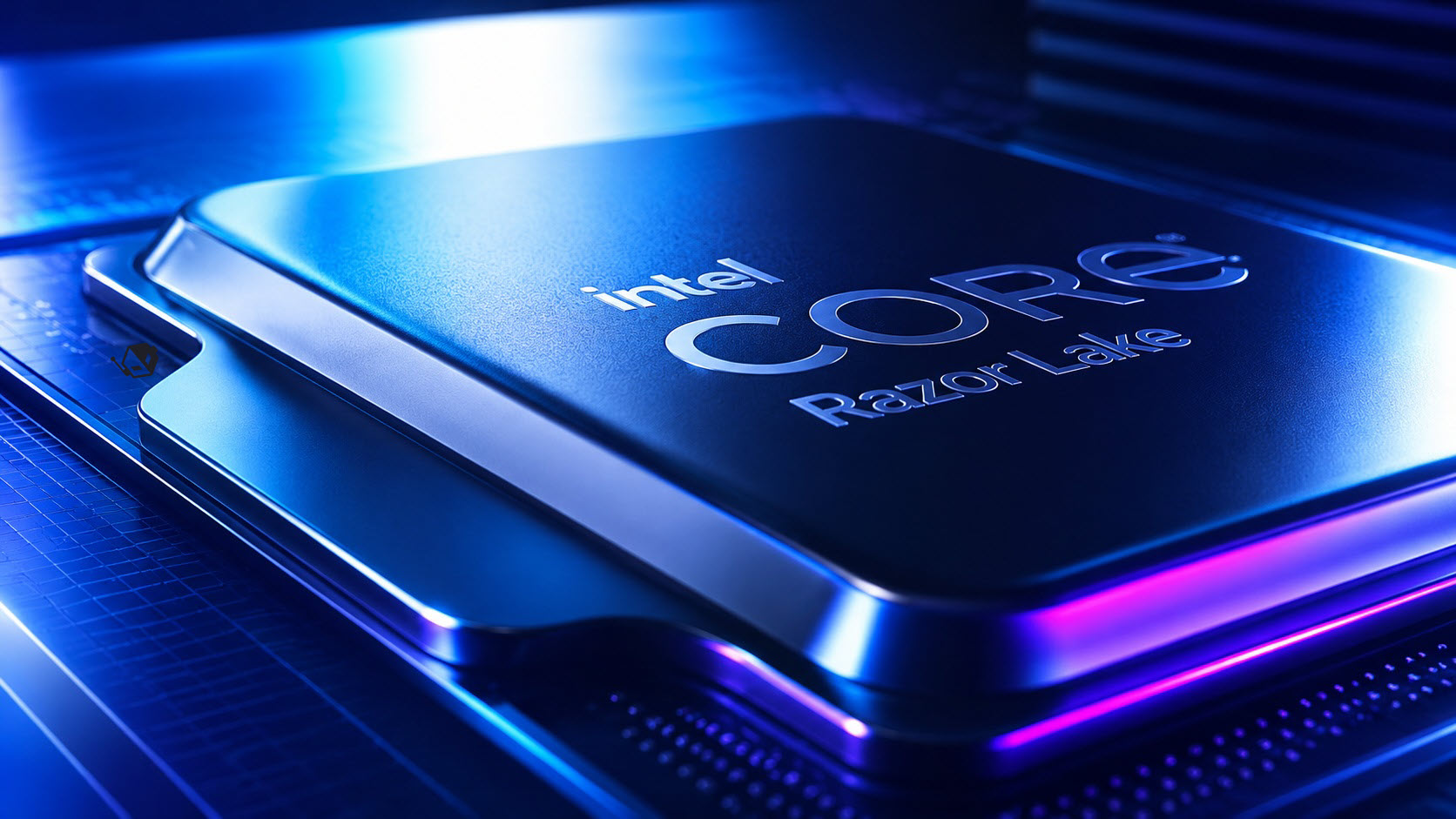
Intel Razor Lake-S Desktop CPUs Reportedly Planned for 2028 With LGA 1954 Support
Intel’s future desktop CPU roadmap is starting to take shape, and the latest reports suggest that Razor Lake-S could arrive in 2028 as the next major desktop platform update after Nova Lake-S. If the information proves accurate, Intel will continue using the LGA 1954 socket for more than one generation, giving desktop PC builders a longer upgrade path than usual.
Nova Lake-S is currently expected to launch in early 2027, introducing Intel’s next wave of high-performance desktop processors. Razor Lake-S would follow roughly a year later, potentially arriving around mid-2028 or later in the year. While Intel has not officially confirmed the final launch window, the timing would make sense if the company follows a yearly desktop refresh cycle.
The most important detail is platform continuity. Razor Lake-S is expected to remain compatible with the same LGA 1954 platform planned for Nova Lake-S. That means motherboards built for Nova Lake could potentially support Razor Lake processors as well, depending on chipset support, firmware updates, and final Intel platform decisions.
For PC enthusiasts, this could be a major advantage. Intel’s recent desktop platforms have often had shorter lifespans, so multi-generational support on LGA 1954 would make future upgrades easier and more cost-effective. Users could build a Nova Lake-S system in 2027 and later move to Razor Lake-S without replacing the motherboard, assuming compatibility is preserved.
Razor Lake-S is also expected to bring a new CPU core architecture. Reports claim that Intel will move from Coyote Cove P-Cores on Nova Lake to Griffin Cove P-Cores on Razor Lake. This would make Razor Lake more than a simple refresh, as the new core design could deliver performance, efficiency, and architectural improvements.
Nova Lake-S is believed to use Coyote Cove performance cores alongside Arctic Wolf efficiency cores. Razor Lake may build on that foundation with Griffin Cove P-Cores and possibly a newer generation of efficiency cores, though the final E-Core design has not been confirmed. Earlier roadmap details have also hinted at higher core counts and updated process technologies, making Razor Lake an important release for Intel’s desktop ambitions.
Another interesting point is Intel’s approach to simultaneous multithreading, or SMT. Griffin Cove cores are expected to appear in future Intel server processors as well, but the desktop client lineup reportedly will not include SMT support. This continues Intel’s recent direction of relying on a mix of performance cores and efficiency cores rather than traditional thread-doubling on client CPUs.
Some features originally expected for Nova Lake may now be shifting to Razor Lake. One example is the rumored Nova Lake-AX configuration, which is now expected to arrive under the Razor Lake-AX family instead. Higher integrated graphics configurations that were once linked to Nova Lake may also be pushed into the Razor Lake generation.
That could make Razor Lake a more complete and more varied product family. Current reports suggest the lineup may include desktop S-series chips, high-performance HX mobile parts, H-series laptop processors, and a higher-end AX configuration. This would allow Intel to target everything from gaming desktops and enthusiast laptops to premium mobile workstations.
Nova Lake is still expected to be a very important step before Razor Lake arrives. The desktop Nova Lake-S family could bring a large jump in core counts, with reports pointing to configurations reaching up to 52 cores in total. That may include a mix of performance and efficiency cores, continuing Intel’s hybrid architecture strategy.
For comparison, Intel’s desktop roadmap has moved through several major phases in recent years. Alder Lake introduced the hybrid P-Core and E-Core design on LGA 1700. Raptor Lake and Raptor Lake Refresh expanded that platform with higher clocks and more efficiency cores. Arrow Lake moved to the newer LGA 1851 platform, while Nova Lake is expected to shift again to LGA 1954. Razor Lake may then extend that same LGA 1954 platform into 2028.
The expected desktop CPU timeline looks roughly like this:
Alder Lake launched in 2021 with Golden Cove P-Cores and Gracemont E-Cores on LGA 1700.
Raptor Lake followed in 2022 with Raptor Cove P-Cores and higher core counts.
Raptor Lake Refresh arrived in 2023 as an updated version of the same platform.
Arrow Lake launched as the Core Ultra 200 desktop family with Lion Cove P-Cores and Skymont E-Cores on LGA 1851.
Arrow Lake Refresh is expected to continue that platform before Nova Lake arrives.
Nova Lake is expected in 2027 with Coyote Cove P-Cores, Arctic Wolf E-Cores, and the LGA 1954 socket.
Razor Lake is reportedly planned for 2028 with Griffin Cove P-Cores and continued LGA 1954 support.
Beyond Razor Lake, Intel is also expected to be preparing another future generation, possibly known as Hammer Lake, for the 2029 to 2030 timeframe. Details remain limited, but it could continue Intel’s broader strategy of splitting architectures across desktop, mobile, and server products.
Intel’s entry-level roadmap is also developing alongside these enthusiast platforms. Wildcat Lake Refresh, expected around the second quarter of 2027, is said to use Panther Cove P-Cores and Arctic Wolf E-Cores. Moon Lake is reportedly planned for late 2027 and may feature Darkmont low-power efficiency cores. These products would likely target more affordable or power-efficient systems rather than high-end gaming desktops.
Although Intel has not officially launched Nova Lake yet, the company has already referenced the generation in various contexts. Earlier expectations pointed to a late 2026 debut, but newer reports now suggest a first-half 2027 release window. As Intel continues briefing partners, more information about Nova Lake and Razor Lake is likely to surface over the coming months.
For now, Razor Lake-S looks like a major 2028 desktop CPU release to watch. If the leaks are accurate, it could bring a new Griffin Cove architecture, possible graphics upgrades, broader product segmentation, and continued LGA 1954 motherboard support. That combination would make it especially important for gamers, PC builders, and hardware enthusiasts planning long-term desktop upgrades.