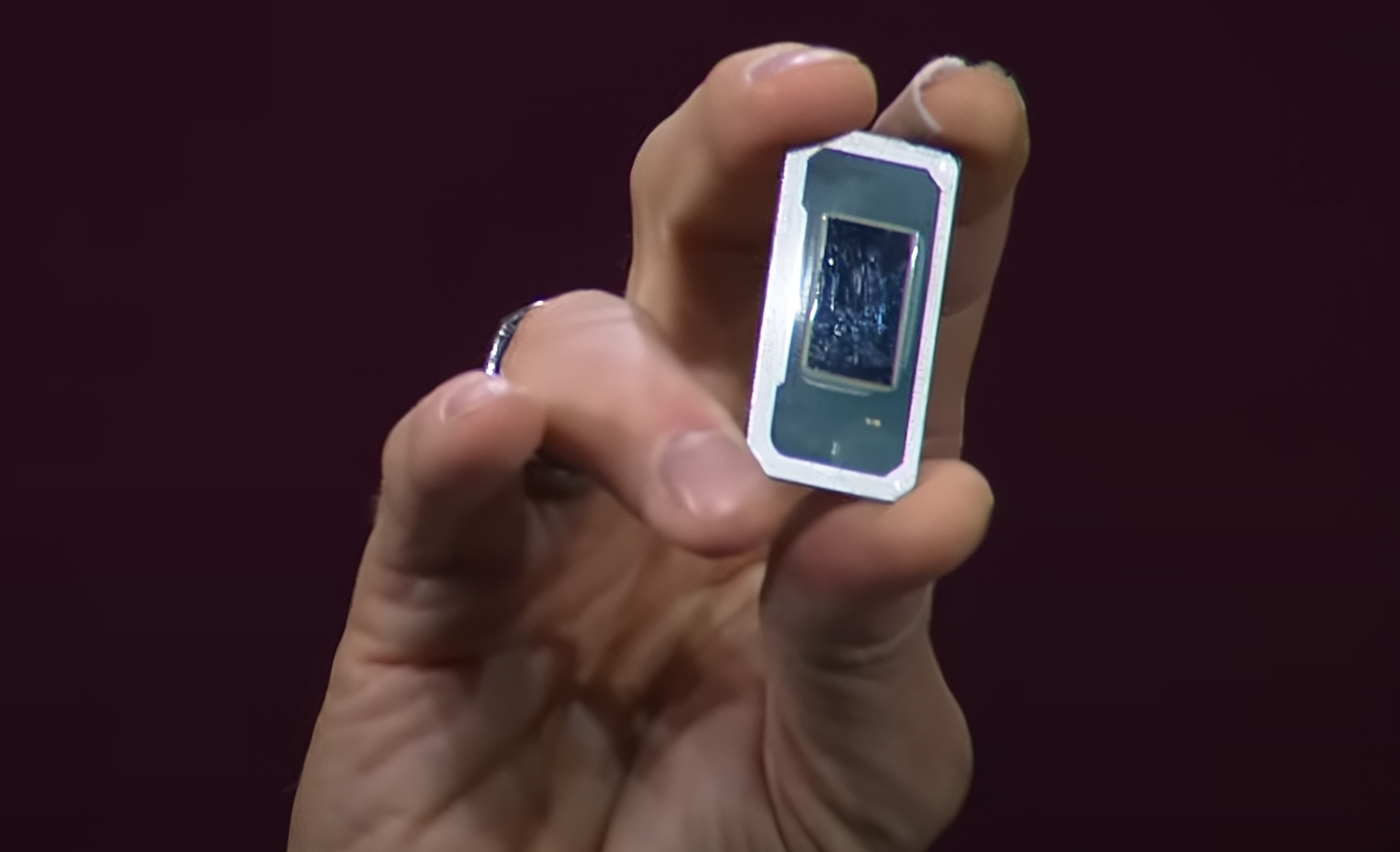
Intel’s next-generation Panther Lake platform is starting to take shape, and early signals point to a major leap in laptop performance per watt. Positioned as a pivotal release, Panther Lake is set to be the first consumer product built on the company’s 18A manufacturing process—a milestone that could be key to regaining momentum in the PC and mobile markets.
According to early briefings cited by Reuters, Panther Lake could deliver up to 30% lower energy consumption than the current Lunar Lake generation, alongside as much as a 50% boost in data-crunching performance in certain workloads. Sources indicate both the CPU and integrated graphics are slated for meaningful gains in specific scenarios. If these figures hold, users can expect longer battery life, snappier everyday responsiveness, and stronger performance in data-intensive tasks such as content creation, analysis, and complex multitasking.
The 18A process is central to this uplift. It represents Intel’s most advanced node for consumer products and is designed to improve efficiency and density, enabling higher performance without sacrificing battery life—exactly what premium ultraportables and thin-and-light laptops need. It’s also strategically important as the company works to strengthen domestic chip manufacturing and support broader semiconductor goals in the United States.
Timing-wise, company executives have pointed to early 2026 for availability. An initial overview of the mobile platform is expected to arrive soon following a recent tech-focused media tour, with additional updates anticipated on both Panther Lake and the Clearwater Forest server lineup.
As always with pre-launch figures, treat these numbers as preliminary. Specifications, performance targets, and final tuning can evolve as products move from engineering to retail. Still, the direction is clear: Panther Lake is shaping up to be a major generational step for laptops, with efficiency and computational performance at the forefront. Keep an eye out for deeper dives into architecture, core configurations, graphics enhancements, and real-world benchmarks as Intel shares more in the coming months.