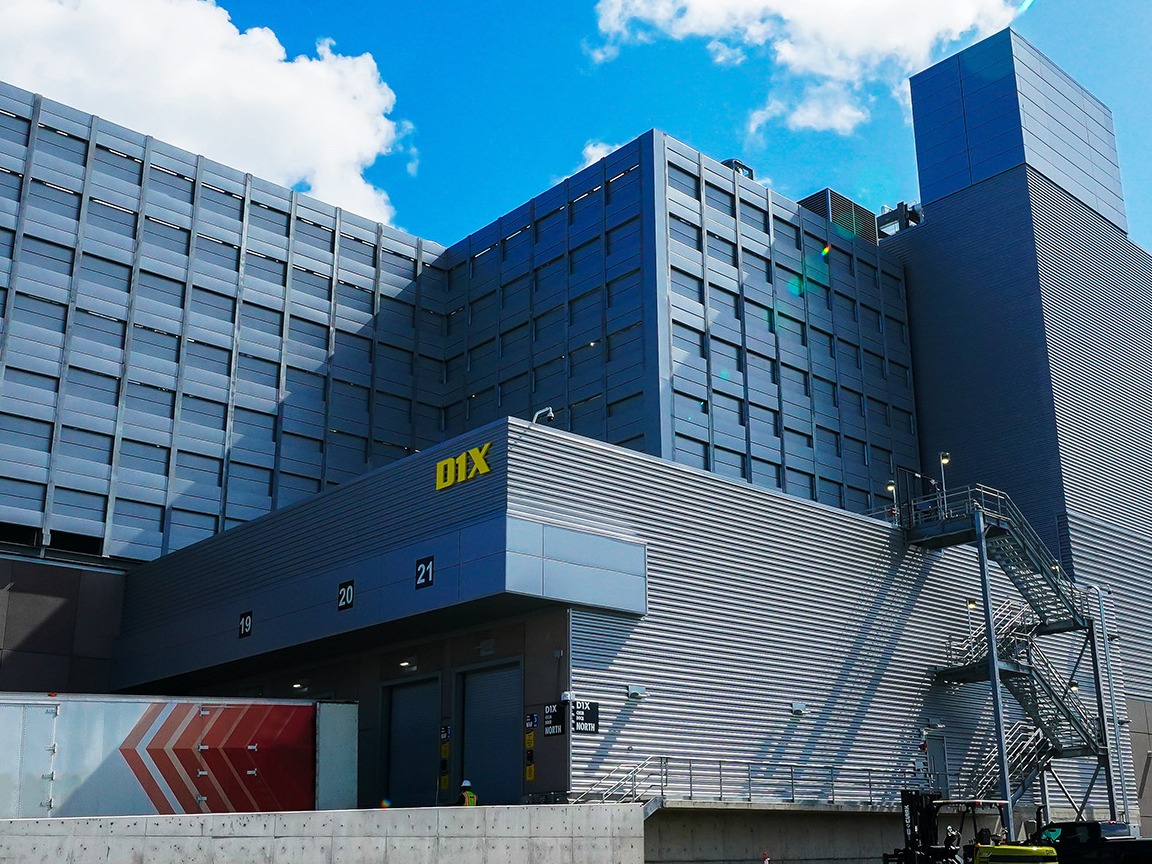
Intel is set to lay off nearly 2,400 workers at its Oregon site by mid-July as CEO Lip-Bu Tan intensifies efforts to cut costs in response to declining sales and production challenges.
Recently, Intel informed Oregon officials of its decision to extend earlier plans of reducing just over 500 jobs to a total of 2,392 positions. This is part of a broader cost-cutting strategy led by Tan, aimed at addressing the company’s ongoing struggles with revenue decline and manufacturing delays.
Oregon hosts Intel’s largest worldwide site, employing around 20,000 people. With semiconductor jobs in the state averaging about $180,000 annually, these layoffs are anticipated to have significant economic impacts, affecting local businesses and decreasing income-tax contributions. State economist Carl Riccadonna has already cautioned lawmakers about a cooling labor market.
Intel’s challenges have roots stretching back nearly a decade, marked by setbacks in process technology that have allowed companies like TSMC to take the lead. Competitors such as AMD, Nvidia, and Apple leverage TSMC’s advanced technology, while Intel works to reclaim its position and largely misses out on booming sectors like AI training chips. Tan openly acknowledged the challenge, telling employees that catching up in this area might be too late due to Nvidia’s stronghold.
The job cuts will impact various levels but are particularly severe in Intel Foundry, its manufacturing and R&D division, where roughly 20% of positions will be eliminated. Many of the affected roles are technicians and process engineers, with about 8% being managerial positions. Beyond manufacturing, Intel has also shut down its automotive operations and outsourced the majority of its marketing to Accenture.
Affected employees will receive severance that includes 13 weeks of base pay, an additional 1.5 weeks for every year of service, and a year’s worth of healthcare coverage. Despite Intel benefiting from over $300 million in annual tax incentives from Oregon, the company’s revenue challenges and changing priorities cast uncertainty over its long-term presence in the Pacific Northwest.