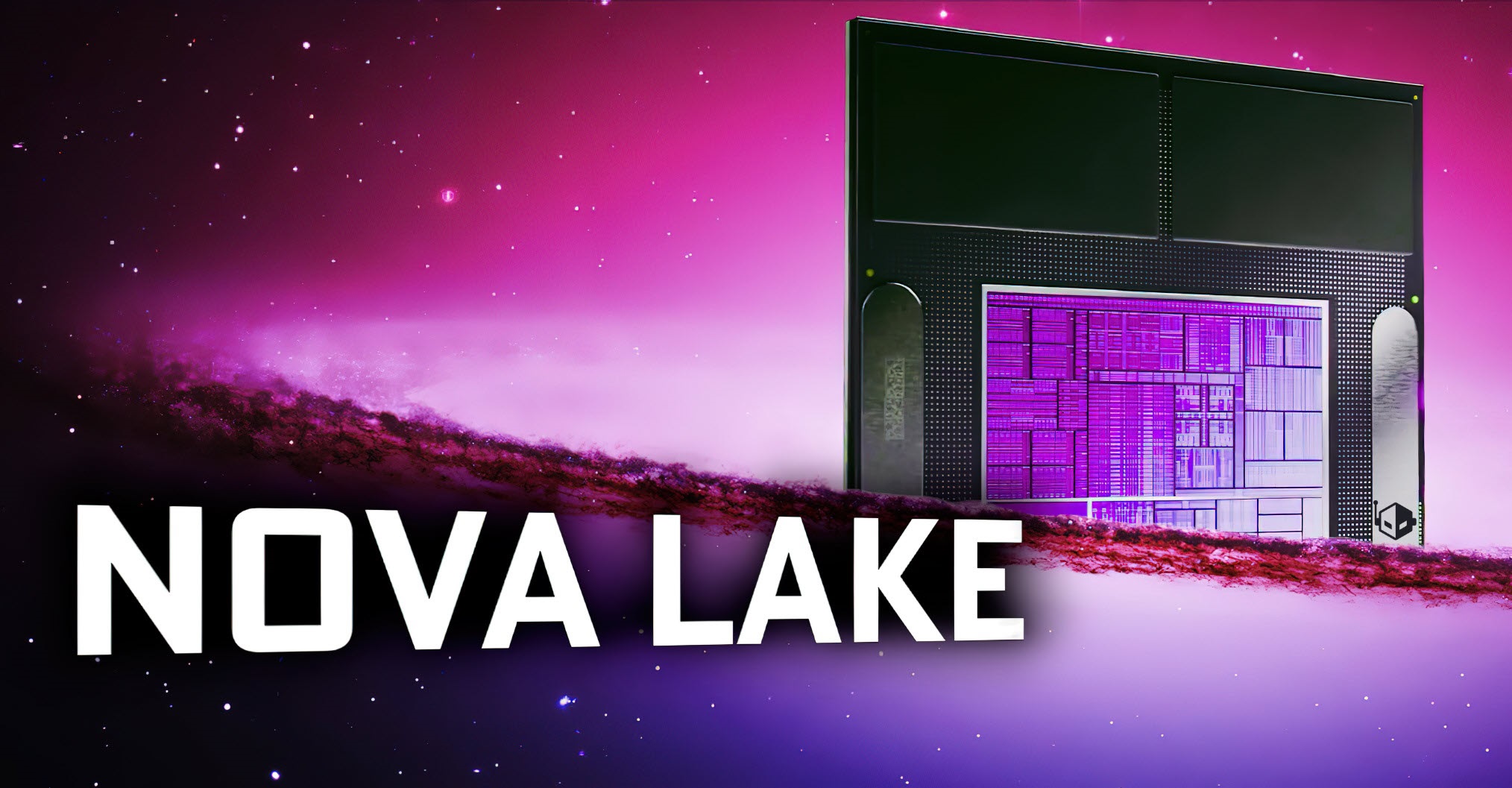
The demand for a breakthrough similar to AMD’s X3D technology has been a hot topic among PC enthusiasts, and Intel might be gearing up to deliver just that with its upcoming Nova Lake desktop CPUs.
Despite recent struggles to appeal to consumers with their Arrow Lake lineup, Intel is poised for a potential comeback. Significant buzz surrounds their future release, largely due to hints at an X3D-like innovation expected with Nova Lake. During the Intel Direct Connect 2025 event, there were strong indications of such developments on the horizon.
Intel’s previous comments have hinted at exploring 3D V-Cache technology. The company has plans to use technologies like Foveros and EMIB to expand in this direction. While initial focus will be on server CPUs, the adaptability of this approach for consumer markets remains open.
The advancement of 3D-stacked cache is no longer a distant idea. Intel’s unveiling of its Intel 18A-PT process node highlights a commitment to next-gen 3D Integrated Circuit (3DIC) technologies. This process promises enhanced vertical stacking of chiplets with a denser design than its competitors, potentially offering a formidable challenge to AMD’s X3D CPUs.
Intel’s Foveros Direct 3D hybrid bonding aims to set a new standard with bonding pitches under 5μm, surpassing TSMC’s current offerings. This technological leap could position Intel to reclaim its status in the competitive market.
Although Intel may wait to fully assess the performance of its Clearwater Forest Xeon CPUs before a broader rollout, the company seems well-prepared to harness this opportunity. If Intel commits to this path, it could very well redefine its standing in the industry.