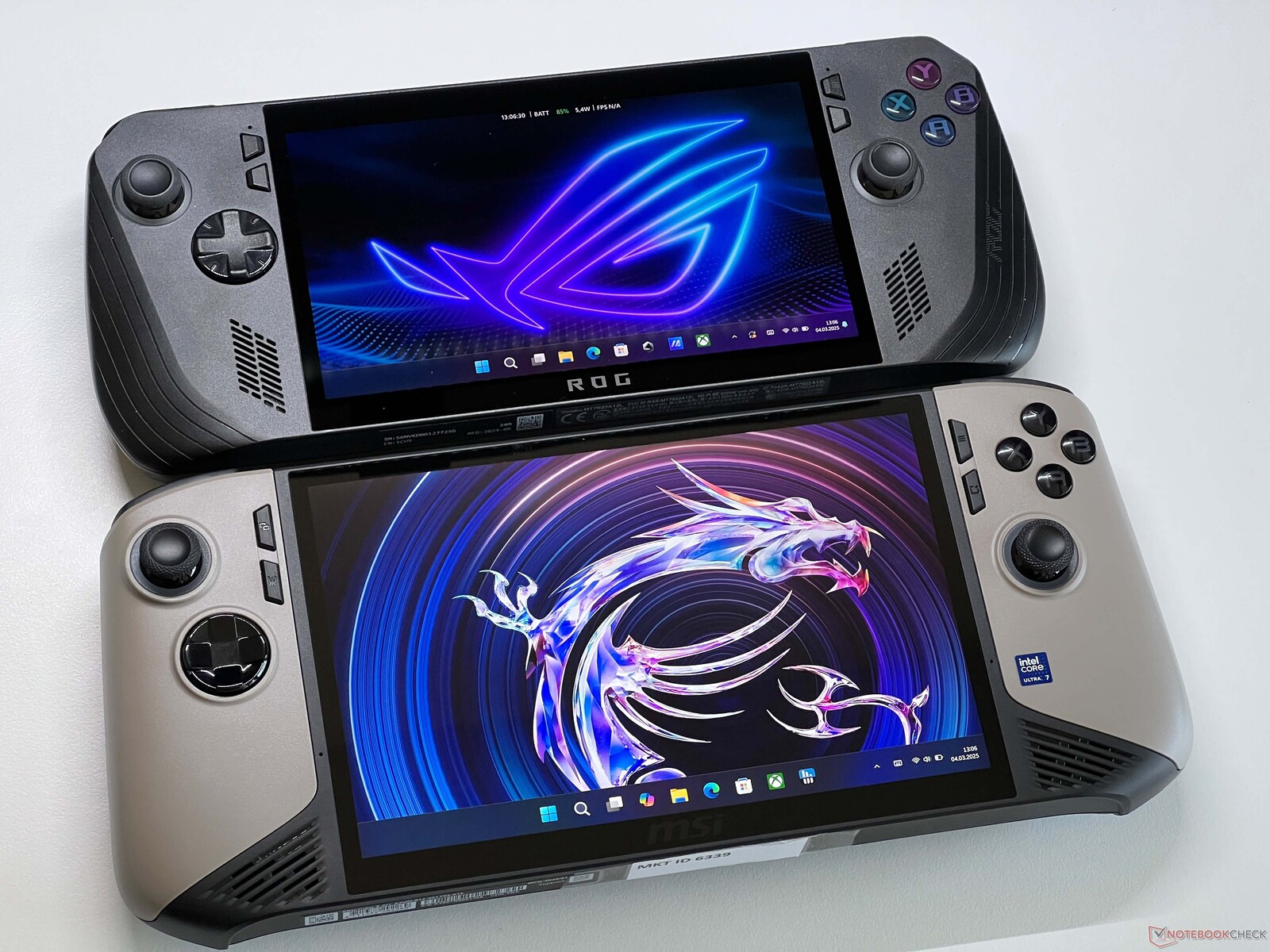
Intel’s next wave of Panther Lake processors is shaping up to be a big deal for PC gaming handhelds, but a fresh leak suggests one of the most interesting models may take longer to arrive than expected. The handheld-focused Intel Core G3 and Intel Core G3 Extreme—chips designed specifically with portable consoles in mind—are now reportedly delayed to Q2 2026 after initially being targeted for a Q1 2026 launch.
Even though Intel showcased a range of Panther Lake products at CES 2026, not every Panther Lake variant has appeared publicly yet. The Core G3 family is one of those missing pieces, and with Panther Lake availability still rolling out on a longer timeline overall, this kind of slip won’t shock anyone watching the PC hardware space closely.
According to the leak, both the Core G3 and Core G3 Extreme are built around a 14-core CPU configuration, pairing 2 performance cores (P-cores) with 12 efficiency cores (E-cores). That setup hints at Intel’s priorities for handheld gaming: strong everyday responsiveness from the P-cores, combined with lots of E-cores to help maintain solid performance while keeping power draw under control—exactly what matters when you’re gaming on battery.
On the graphics side, the rumor points to Intel Arc B300-series integrated GPUs (iGPU) based on the latest Xe3 graphics architecture. The standard Core G3 is said to use an Arc B360-class iGPU with 10 Xe3 cores, while the higher-tier Core G3 Extreme steps up to an Arc B380-class iGPU with 12 Xe3 cores. If accurate, that extra GPU headroom could make the Extreme model especially appealing for handheld consoles targeting higher frame rates, higher resolutions, or more demanding AAA games.
Performance expectations are already sparking debate because the Core G3 Extreme is rumored to have the efficiency and GPU power to compete directly with AMD’s Ryzen Z2 Extreme in the handheld gaming market. The potential trade-off is that with only two P-cores, certain CPU-heavy games or workloads might not hit the same peak performance as chips with more performance cores. Still, the large pool of E-cores could be a major advantage for sustained gaming, thermals, and battery life—three areas that can make or break a portable gaming PC.
Another important detail is memory flexibility. Unlike some previous designs that introduced tighter packaging constraints, Panther Lake reportedly won’t impose the same memory-on-package limitations. For handheld makers, that could open the door to a wider range of configurations—potentially including lower-memory, lower-cost models to hit more affordable price points, alongside premium versions with more RAM for power users.
For anyone tracking upcoming handheld gaming PCs and next-gen Intel Arc integrated graphics, the takeaway is simple: the Intel Core G3 and Core G3 Extreme still look positioned as purpose-built Panther Lake chips for portable consoles, but you may need to wait until Q2 2026 to see them arrive in real devices.