Intel is rethinking its open-source playbook, signaling a strategic shift that could slow development across parts of the Linux and broader software ecosystem. The company, long known for being a major contributor to open-source projects, now wants to ensure its software work delivers a clearer competitive edge for its own products.
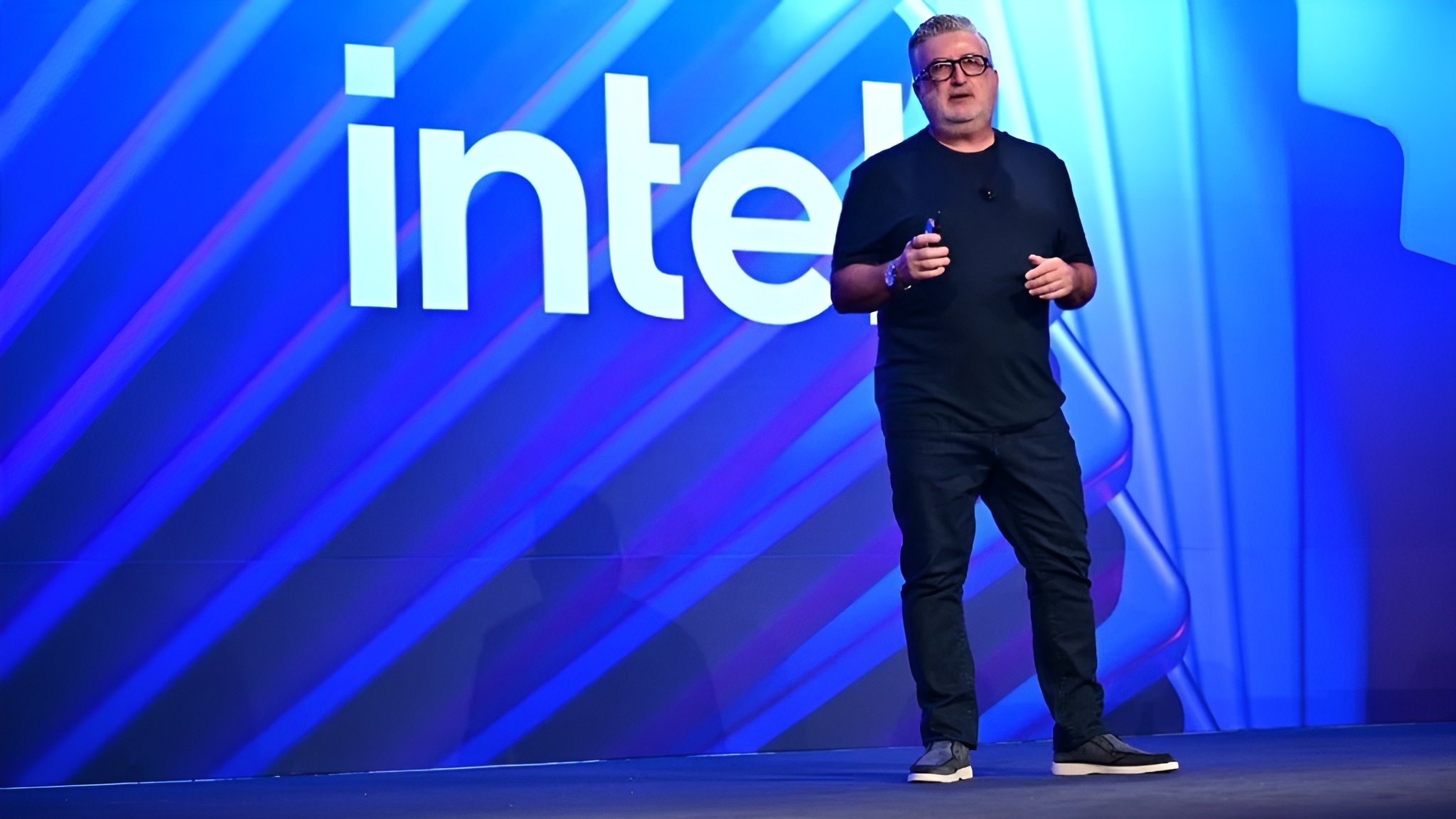
At a recent briefing, Kevork Kechichian, Intel’s EVP and GM of the Data Center group, said the company will continue contributing to open-source software but with a sharper focus on benefiting Intel’s platforms. In his words, the goal is to use open-source as an advantage for Intel—without letting others “take it and run with it.”
This marks a notable pivot for a company that has historically underpinned key elements of open computing, from compiler optimizations and memory management to high-level frameworks that power servers, desktops, and cloud workloads. Alongside headline-grabbing hardware like Panther Lake, the 18A process, and Clearwater Forest, Intel appears to be recalibrating how much of its software work remains openly available.
Signs of that recalibration have already surfaced. Intel has restructured parts of its Linux organization, with layoffs affecting core engineers, and several long-standing initiatives have changed status. Examples include the coretemp CPU driver becoming orphaned, the end of support for the Clear Linux OS project, and the move to a licensable model for Hyperscan. Collectively, these shifts suggest Intel wants clearer justification for software investments that might otherwise boost competitors’ silicon.
Developers and industry watchers are divided on what comes next. Some see a pragmatic move toward protecting return on investment in an era where AI accelerators, hyperscale infrastructure, and heterogeneous compute make software the differentiator. Others worry about a drift toward vendor-specific ecosystems that could resemble the kind of de facto lock-in seen elsewhere in high-performance computing.
For open-source communities, the immediate questions are practical. Will kernel support and driver maintenance slow for certain Intel features? How will performance patches, compiler work, and framework enhancements be prioritized? What remains openly accessible versus gated by licensing or product alignment?
What’s clear is that Intel is not abandoning open-source; it’s tightening the aperture. The company still emphasizes pride in its contributions and says it will keep engaging with the community. But the bar for what gets pushed upstream, how quickly, and under what terms is likely to rise, especially when a contribution primarily benefits rival hardware.
In a market defined by AI workloads, cloud-scale efficiency, and fierce competition, Intel’s new approach underscores the growing tension between open collaboration and competitive differentiation. Developers building on Intel platforms should watch for updated roadmaps, contribution policies, and documentation—particularly around drivers, performance toolchains, and data center software stacks. Meanwhile, those targeting cross-vendor portability may need contingency plans if certain optimizations or features arrive later or under new licensing terms.
The bottom line: Intel’s open-source strategy is shifting from “lead and lift all boats” to “lead where it strengthens Intel.” That could reshape collaboration patterns across Linux and the wider open ecosystem, even as the company continues to tout ambitious hardware milestones on its product roadmap.