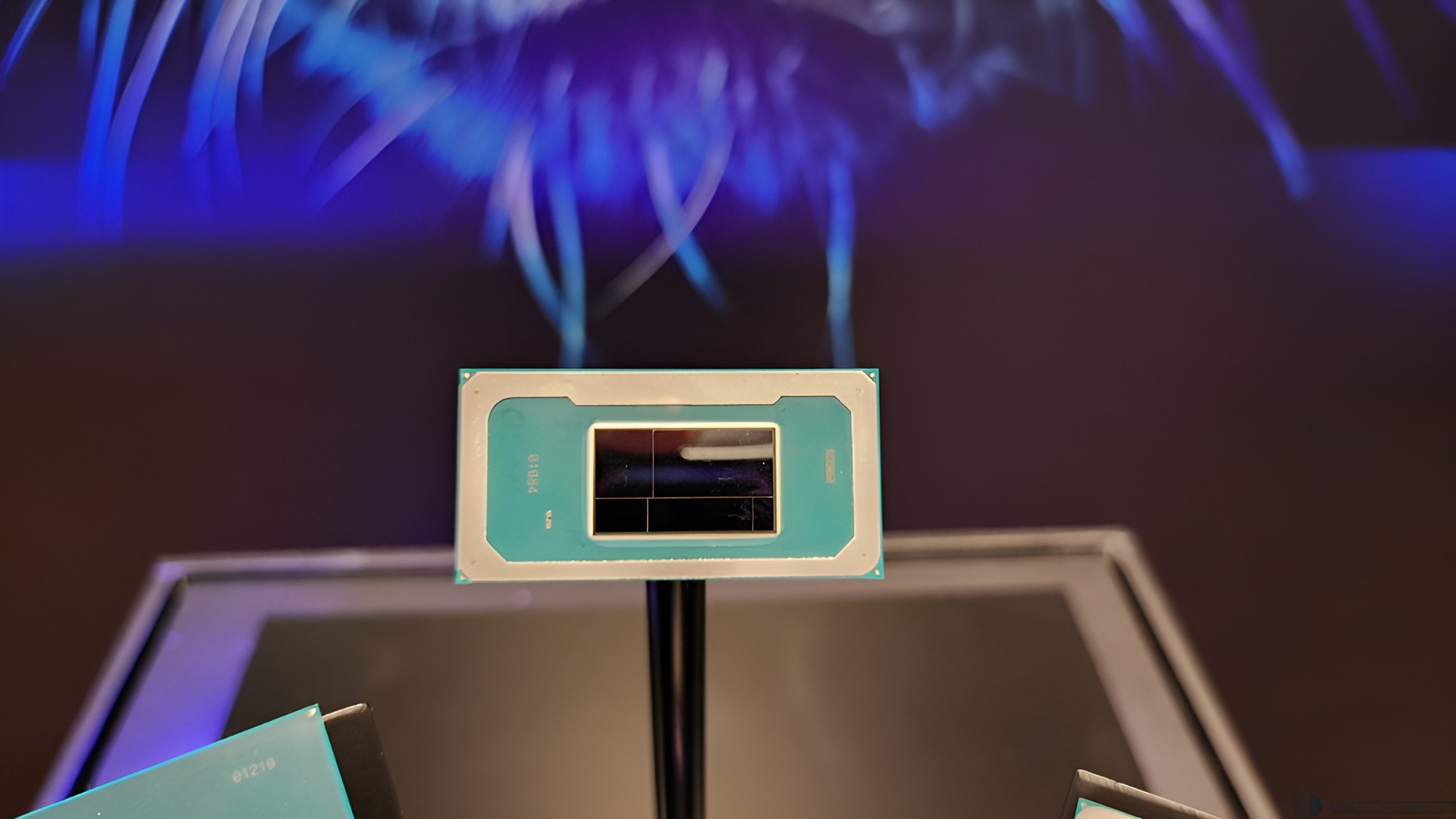
Intel’s next-generation Panther Lake processors are just days from debut, and the company is already spotlighting the headline feature: a refined hybrid architecture that promises meaningful gains over Lunar Lake in both performance and efficiency. In a new technical walkthrough, Intel engineers detail how smarter core orchestration, deeper scheduler tuning, and platform-level optimizations come together to deliver a faster, longer-lasting, and more responsive laptop experience.
At the heart of Panther Lake is a more mature mix of performance cores and efficiency cores. Intel’s approach to hybrid compute has evolved steadily from Lakefield through Alder Lake, Meteor Lake, and most recently Lunar Lake. With Panther Lake, the company says that evolution reaches a new level of polish. The goal is straightforward: keep everyday tasks on the most efficient engines possible, wake larger fabrics only when needed, and ramp up seamlessly for heavy workloads—all without compromising battery life.
That balance is driven by improved cooperation between hardware and software. Intel’s Thread Director, the on-chip intelligence that guides the operating system’s scheduler, gets expanded responsibilities. Beyond simple task steering, Intel is dividing operating system activity into zones, so low-power efficiency cores can handle routine and background work without lighting up power-hungry parts of the chip. When you launch demanding applications, hybrid compute kicks in and the system transitions to the right core mix quickly and intelligently. The result should be snappier responsiveness for real-world multitasking, with less wasted energy in the background.
Battery life is a major focus. Intel positions Panther Lake as delivering the same standout endurance seen with Lunar Lake, but now with more throughput and broader capability to run complex workloads. In practical terms, that means you can expect similar unplugged longevity while gaining extra headroom for heavier tasks like content creation or data-heavy applications. It’s an efficiency-first design that doesn’t leave performance on the table.
Another pillar of the launch is stronger alignment with the broader PC ecosystem. Intel emphasizes that Panther Lake has been shaped with OEMs in mind, giving partners greater flexibility to build the laptops they want without forcing a one-size-fits-all approach. Major vendors are said to be eager to adopt the platform, which should translate into a wide range of thin-and-light designs as well as premium systems tailored for performance and portability.
Key takeaways for prospective laptop buyers:
– More refined hybrid compute with smarter task routing between performance and efficiency cores
– Thread Director enhancements and OS zoning to minimize wasted power and boost responsiveness
– Battery life targets on par with Lunar Lake, paired with higher performance and throughput
– Strong OEM focus to enable diverse, well-optimized laptop designs
Intel’s message is clear: hardware alone isn’t enough to move the needle in modern mobile computing. The real gains come from how each layer—cores, fabrics, firmware, scheduler, and operating system—works in concert. Panther Lake leans into that philosophy. By keeping lightweight tasks on low-power cores and only escalating when it makes sense, the platform aims to deliver a smoother experience throughout the day, whether you’re browsing, conferencing, editing, or crunching data.
With launch just around the corner, exact specifications and benchmarks are still under wraps. Even so, the company’s engineers sound confident that Panther Lake will advance the hybrid architecture playbook in meaningful ways. If Intel delivers on its promises, the next wave of laptops could offer the rare combination of better battery life and noticeably higher performance—without forcing users to choose between the two.