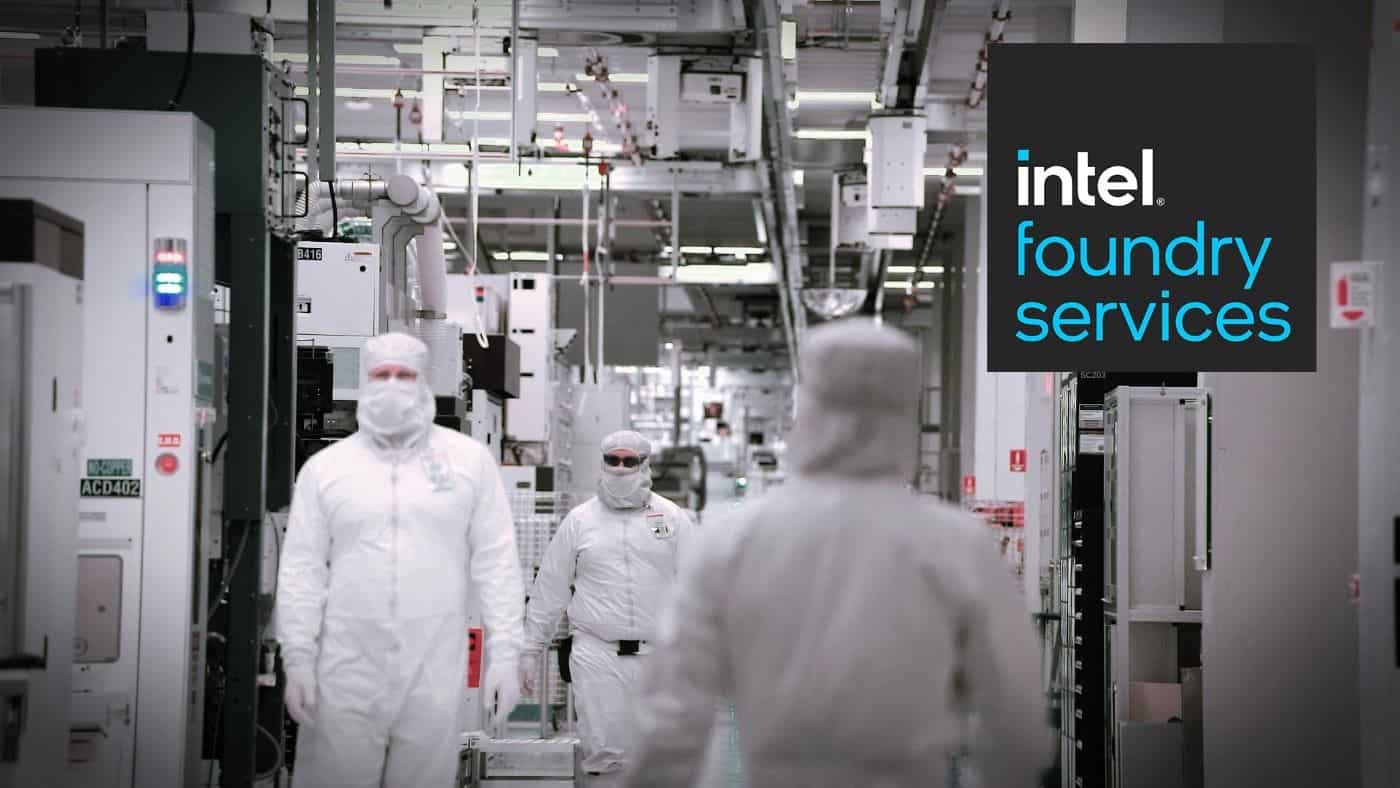
Intel has recently outlined a bold strategy to outdo its principal competitor, TSMC, in the race for semiconductor manufacturing preeminence. As part of its attempt to recapture the title of the world’s premier producer of high-speed and cutting-edge chips, Intel disclosed its future roadmap at the IFS Direct Connect 2024 event in San Jose, California. The roadmap spotlights Intel’s 18A and 14A manufacturing technologies, with Microsoft slated to use its 18A technology for a specialized computing chip.
These proactive steps by Intel symbolize a critical endeavor to regain its status at the forefront of chip production. Intel is aiming to eclipse TSMC later this year with its forthcoming 18A technology and plans to widen that gap by 2026 through the deployment of its 14A technology. Securing Microsoft as a strategic partner for 18A technology, Intel anticipates a surge in foundry orders with revenue expectations now upwardly revised from the prior forecast of $10 billion to $15 billion.
TSMC Maintains Silence on Its Competitive Edge in Advanced Technology
In contrast to Intel’s public declarations, TSMC has not divulged specifics about the competitive strengths of its sophisticated technologies. Regardless of Intel’s efforts to catch up, TSMC continues to lead in the creation of state-of-the-art chips, particularly for AI applications. This leadership is reflected in their financial performance, with TSMC’s stocks listed in Taipei climbing nearly 17% over the current year.
The disclosure of Intel’s 14A technology offers a glimpse into the company’s comprehensive roadmap extending beyond 2025, a timeline that Intel CEO Pat Gelsinger has targeted for the reinstatement of the company’s chipmaking dominance. Intel is actively courting outside clients, highlighting its determination to rejuvenate its semiconductor manufacturing sector, a push complemented by its pursuit of government support.
For Intel, winning over external customers is pivotal to their revitalization efforts, and this includes exploring potential partnerships with major players in the industry such as Nvidia. While there is no official deal with Nvidia thus far, Intel’s specialized technology tailored for AI chips may prove enticing for stakeholders in the burgeoning AI chip market.
In conclusion, Intel is exhibiting a strong resolve to rejuvenate its standing in the semiconductor industry. Their long-term success will rely heavily on securing significant clients and the adept fulfillment of their strategic initiatives in the years ahead.


