Intel may be gearing up for a much bigger integrated graphics leap than many expected, and if the latest leak holds true, 2026 could be a turning point for the company’s client CPUs.
A new rumor suggests that Intel’s upcoming Xe3P-based integrated GPUs could deliver roughly a 20% to 25% performance uplift compared to the Xe3 iGPU found in Panther Lake. The claim comes from well-known leaker @OneRaichu, who believes the next step in Intel’s iGPU roadmap won’t be incremental—it could be the kind of jump that noticeably changes what buyers can expect from integrated graphics in everyday gaming and creative workloads.
Why this matters: Intel has been publicly highlighting just how far its integrated graphics have come. The company has shown off Xe3-based solutions that it says can reach GeForce RTX 4050-class performance in certain scenarios, and it has also suggested major gains versus AMD’s Radeon 890M at 1080p with native rendering. If those kinds of claims were already setting expectations for Xe3, a further 20–25% uplift with Xe3P could put Intel in an even stronger position—especially in laptops where iGPU performance can make or break thin-and-light designs.
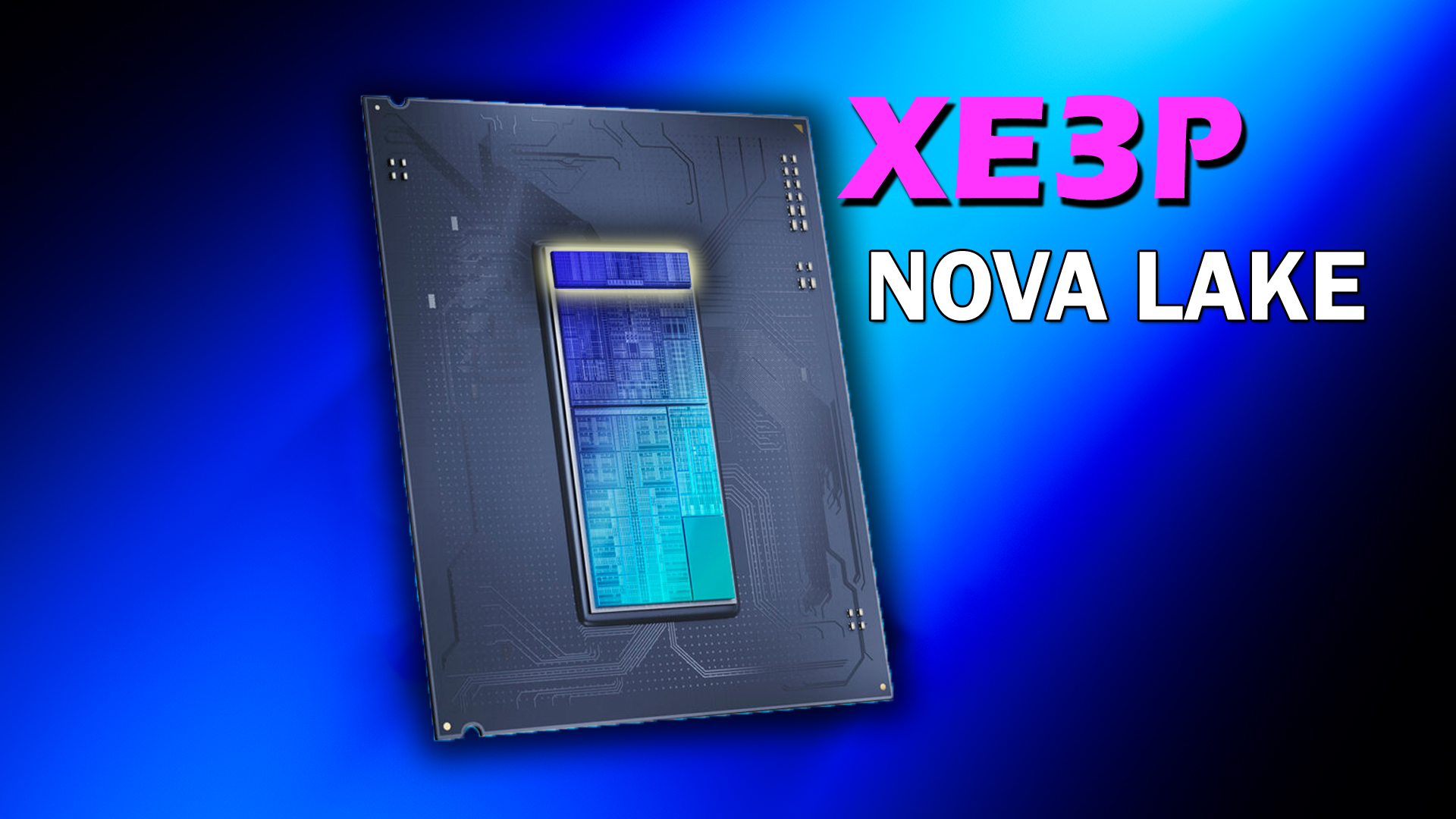
The big platform to watch here is Nova Lake. The leak points to Intel using Xe3P integrated graphics on Nova Lake CPUs, which are expected to land across both desktop and mobile. Nova Lake is widely viewed as the true successor to Arrow Lake, and it could represent a substantial refresh in graphics capability—particularly because Arrow Lake relies more heavily on older Xe-era graphics, rather than Intel’s newest iGPU developments.
There’s also another intriguing angle: Xe3P may not be limited to integrated graphics. Expectations are building that Intel could use Xe3P across both iGPUs and discrete Arc GPUs, creating a more unified architecture strategy. That would potentially make driver optimization and feature parity easier across Intel’s graphics stack—something that matters to gamers and creators who want consistent performance and stability.
Desktop APUs are where things could get especially interesting. Intel hasn’t seriously pushed powerful desktop-focused APUs in the same way AMD has, and AMD is moving quickly with next-gen Ryzen AI 400 chips expected for the AM5 platform. If Nova Lake really arrives with a major iGPU boost, Intel could finally have the foundation to launch compelling desktop chips that don’t require a separate graphics card for solid 1080p gaming, home theater builds, or budget creator PCs. At the moment, Intel hasn’t confirmed any specific desktop APU plans, leaving this part in the “wait and see” category.
Adding to the curiosity, Nova Lake may do something Intel hasn’t done before: use a hybrid iGPU approach. One earlier report indicates Nova Lake could pair Xe3P for core graphics performance with Xe4 elements focused on media and display capabilities. If that turns out to be accurate, it would be a first-of-its-kind combination in an Intel CPU—potentially improving not just gaming performance, but also streaming, video playback, encoding efficiency, and multi-display support.
For now, it’s still a rumor, and performance targets can change before silicon ships. But if Xe3P truly lands with a 20–25% uplift over Panther Lake’s Xe3 iGPU, Intel’s integrated graphics story could shift from “catching up” to genuinely competing at a higher tier—on both laptops and, hopefully, desktops too.