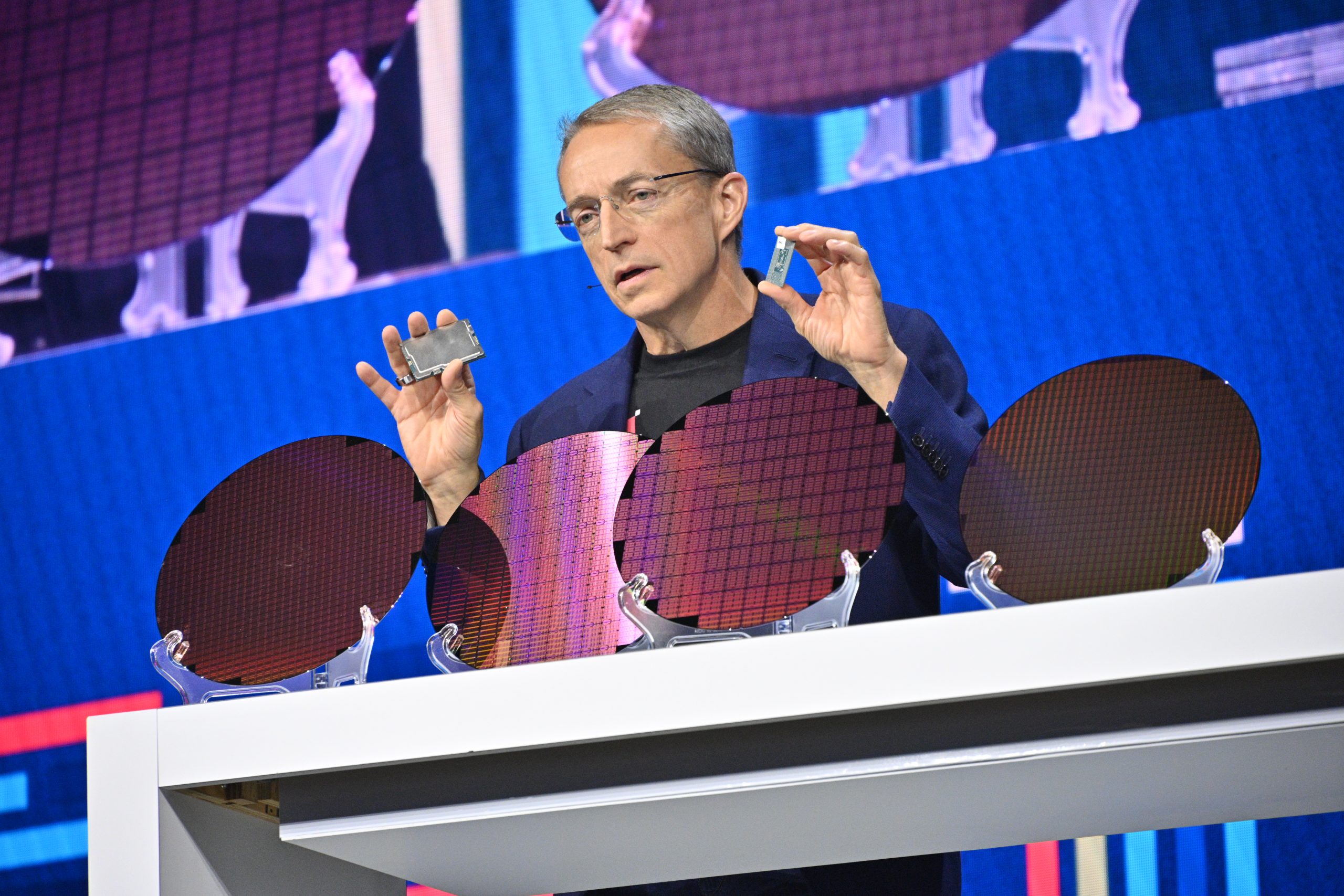
Intel makes a strategic shift: phasing out the 20A production plan to prioritize 18A technology, while leveraging external nodes for Arrow Lake processors, which will be packaged at Intel Foundry.
In a significant move, Intel has decided to discontinue its 20A production plan, opting instead to focus on its innovative 18A technology. Announcing the shift, Intel noted that the 18A Process Design Kit (PDK) 1.0, released in July, has garnered favorable feedback from the tech ecosystem. The 18A technology is not only functional and stable but also demonstrating promising yields, maintaining its projected launch timeline set for 2025.
This shift to Intel 18A is a testament to the progress achieved with the now-phased-out Intel 20A. The advancements made during the 20A era, such as incorporating RibbonFET gate-all-around transistor architecture and PowerVia backside power delivery, have laid the groundwork for further innovations. The 18A technology builds on these breakthroughs, ensuring that Intel continues to push the boundaries of Moore’s Law and deliver cutting-edge solutions to its customers.
The transition also means that the upcoming Arrow Lake processor family will utilize external nodes, with packaging done by Intel Foundry. This strategic decision enables Intel to reallocate engineering resources earlier than anticipated, accelerating the completion of their ambitious five-nodes-in-four-years roadmap.
Consolidating efforts on Intel 18A not only streamlines engineering investments but also underscores Intel’s commitment to refining and evolving semiconductor technologies. The lessons learned from 20A have directly influenced the development and implementation of Intel 18A, positioning it as a cornerstone for future advancements in the semiconductor industry.
Stay tuned as Intel continues to innovate and drive forward with its state-of-the-art 18A technology, setting new standards for performance and efficiency in the tech world.