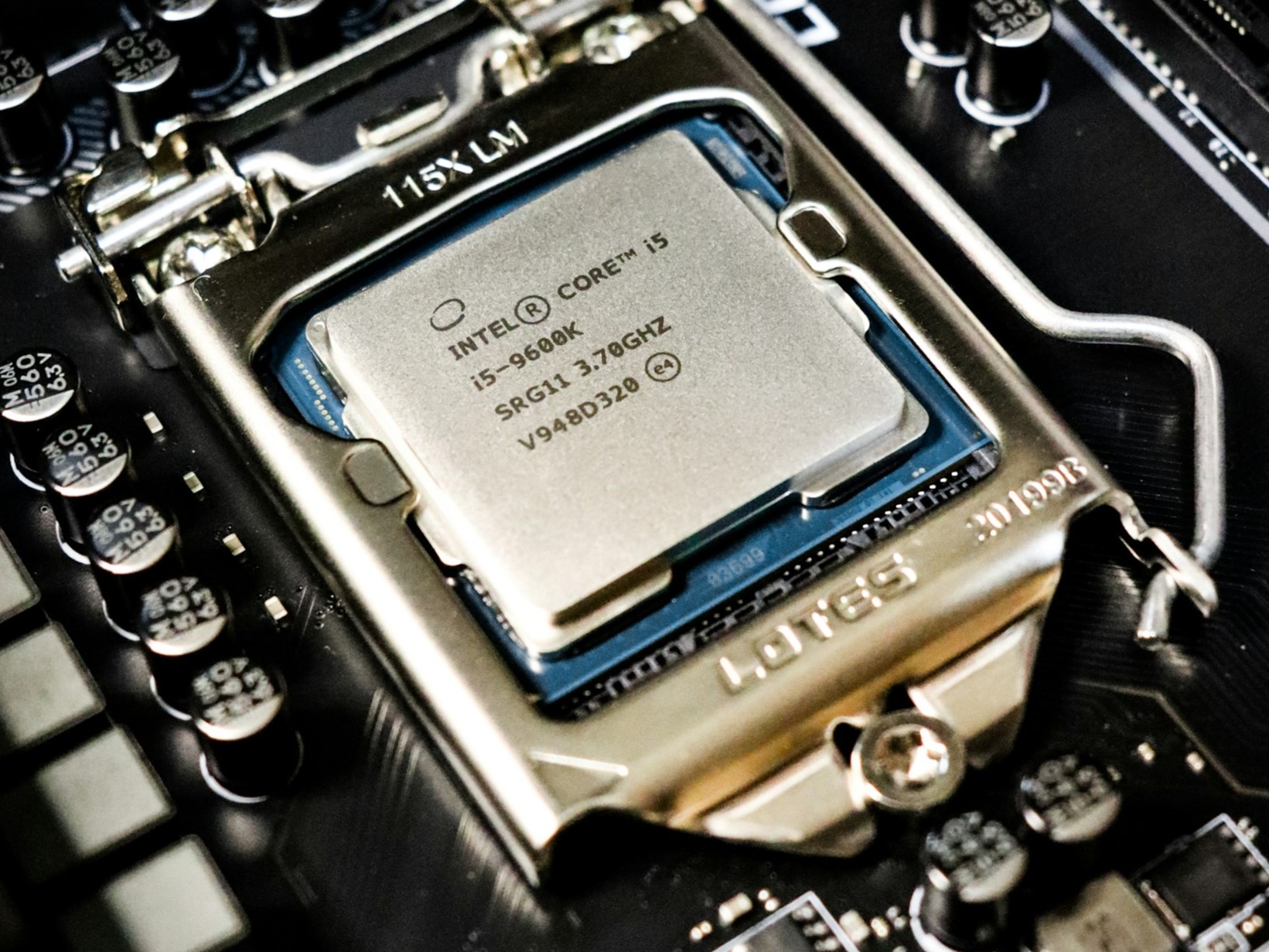
In a significant legal setback, Intel Corporation is facing a sales ban on certain chipsets in Germany. This decision comes as a result of a patent infringement case concerning specific technologies used within their CPUs.
The Düsseldorf Regional Court has ruled that Intel’s processors, specifically from the Ice Lake, Tiger Lake, and Alder Lake generations, as well as the Xeon processors of the Ice Lake generation, can no longer be sold in Germany. This judgment is rooted in a claim that these processors violate patents held by R2 Semiconductor.
Fortunately for Intel, the ban does not extend to their latest processors. However, the current restriction could still pose challenges, especially for users in need of older CPU models as replacements for existing systems.
The litigation between Intel and R2 Semiconductor centers on a patented power supply technology integrated into the processors. R2 Semiconductor has already scored a win in December 2023 when their patent’s validity was confirmed by the court.
The conflict seems to have intensified, with Intel labeling R2 Semiconductor as a company primarily engaged in litigation. R2 Semiconductor, on the other hand, counters this claim by disclosing that Intel had once shown interest in investing in them, only to pull out of negotiations in 2015.
As a part of the court’s ruling, Intel is also obligated to disclose to R2 Semiconductor the details regarding the affected products that have been sold in Germany.
Intel has responded to the court’s decision by announcing intentions to appeal against the sales ban. The outcome of this legal dispute and Intel’s next steps will be closely watched, as it may have wider implications for their business operations within Germany.