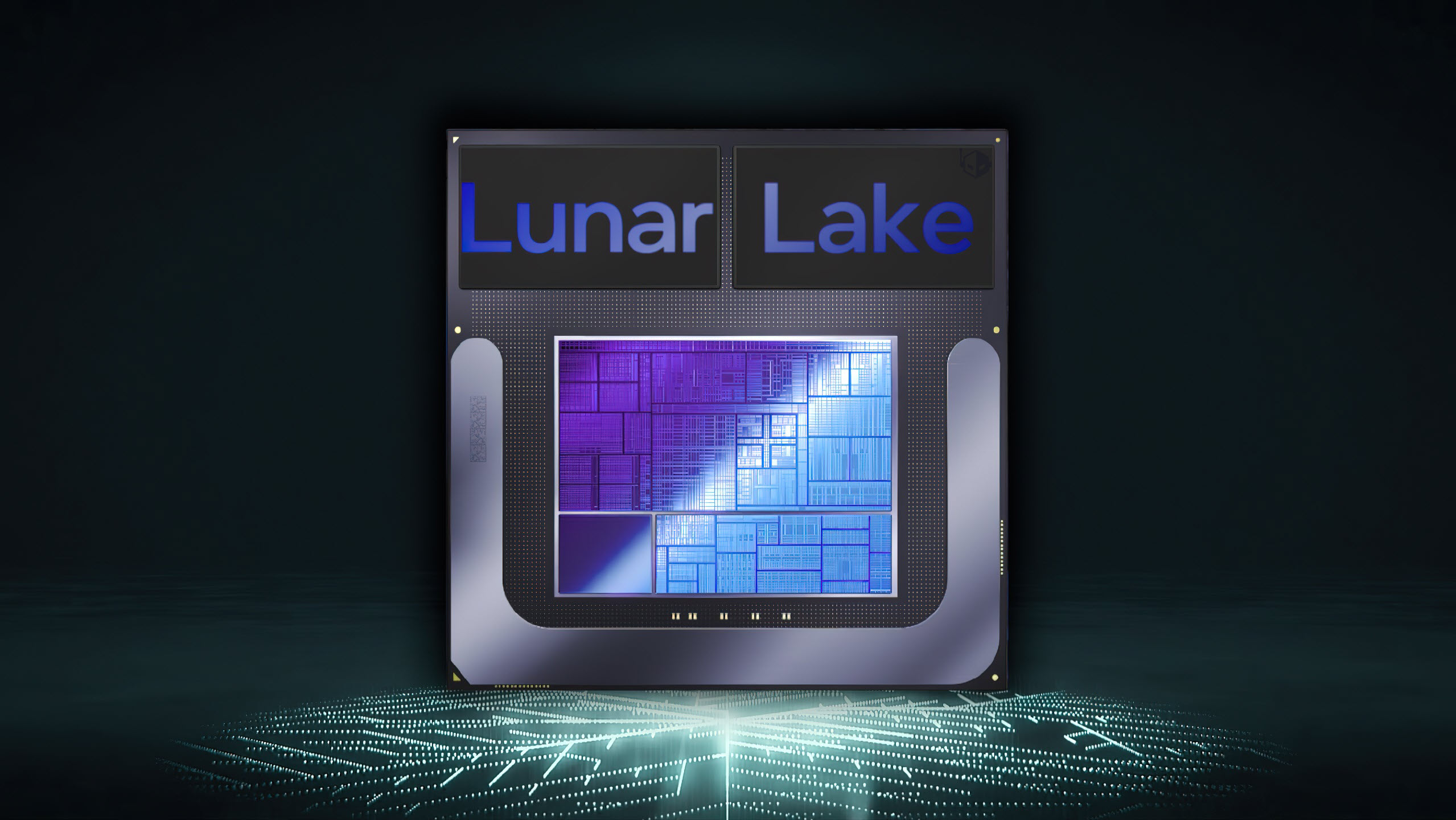
Intel is accelerating its efforts to enhance support for their future Linux products, rolling out significant updates for its upcoming Lunar Lake and Xe2 GPU architectures. The semiconductor giant is laying the groundwork for these technologies by introducing new measures that promise to expand and improve ray-tracing capabilities for Linux users.
In recent efforts detailed by Phoronix, Intel has submitted new merge requests to the Mesa 24.2 open-source graphics project, which includes critical information on the Lunar Lake CPU and early support for the Xe2 graphics architecture’s ray-tracing features.
The integration for Lunar Lake begins with adding essential device information such as graphics PCI device IDs for these upcoming chips. Notably, Intel is offering an environment variable, “INTEL_FORCE_PROBE,” tied to these PCI IDs. This functionality is not unlike what was previously observed with Xe kernel drivers and is seen as a means to ensure Lunar Lake’s graphics architecture aligns with the driver, even before full support is realized. This approach is commonly used to facilitate experimentation and is a strong indicator that Intel is moving closer to the official launch of these technologies.
The device IDs made public are 0x6420, 0x64a0, and 0x64b0. Additionally, the 11 new patches introduced by Intel also underscore early support for ray tracing on the Xe2 graphics architecture, albeit without extensive details at this point.
This development signals promising news for those anticipating the adoption of Lunar Lake on Linux systems. It suggests that these users might encounter substantial out-of-box compatibility when these products hit the market. However, there might be compromises or adjustments required—perhaps advocating for a “rolling release distribution”—until full and seamless support is integrated.
As the landscape for Linux graphics continues to evolve with new architectures and technologies, Intel’s updates reflect a commitment to remain at the forefront, ensuring that its upcoming products are well-positioned for future Linux environments and the demands of advanced graphics processing, such as ray tracing. These advancements assure potential adopters that they will have access to cutting-edge technologies with the Linux platform in mind.