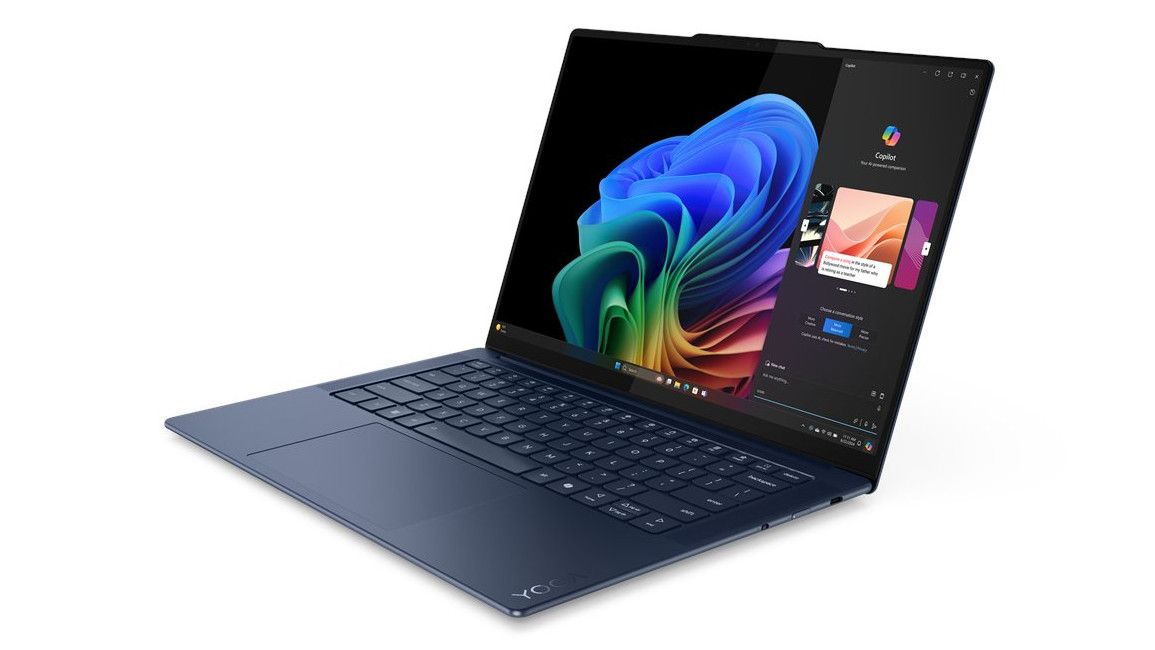
The recent shift in leadership at Intel following Pat Gelsinger’s departure has spotlighted some challenges faced by Qualcomm’s latest laptops, specifically those powered by the Snapdragon X Elite and Snapdragon X Plus. These devices, despite their advanced specifications, seem to be experiencing a high return rate, raising concerns among retailers.
Michelle Johnston Holthaus, Intel’s co-CEO, recently addressed the situation at the Barclay’s Global Technology Conference. She highlighted the issue of these ARM-powered machines not meeting customer expectations, leading to significant returns and putting a strain on retail partners. While she didn’t elaborate on specific figures, she emphasized that retailers are significantly worried about this trend.
Despite Qualcomm’s ambitious plans, only 720,000 units have been shipped so far, capturing a mere 0.8 percent of the market. This slow uptake might be attributed to several factors, including pricing and compatibility issues. Initial releases were often priced quite high, making them less appealing compared to alternatives like Apple’s Silicon MacBooks. Moreover, the early lack of native app support meant many programs had to run through emulation, which could deter potential buyers.
However, Qualcomm appears to be addressing these challenges. Prices are becoming more competitive, with discounts making Snapdragon laptops a more financially attractive choice. For instance, the ASUS Vivobook S 15, equipped with a Snapdragon X Plus, 16GB RAM, and 512GB of storage, offers a compelling package at $679.99. Additionally, Qualcomm’s CEO has announced an effort to introduce Windows-powered laptops priced as low as $700, with plans for even more affordable Snapdragon X models in the future.
These strategic moves indicate Qualcomm’s intent to capture a larger percentage of the entry-level market, potentially creating competition for big players like Apple, Intel, and AMD. As app compatibility improves and pricing becomes more accessible, there’s optimism that Qualcomm’s market share will expand in the coming years.


