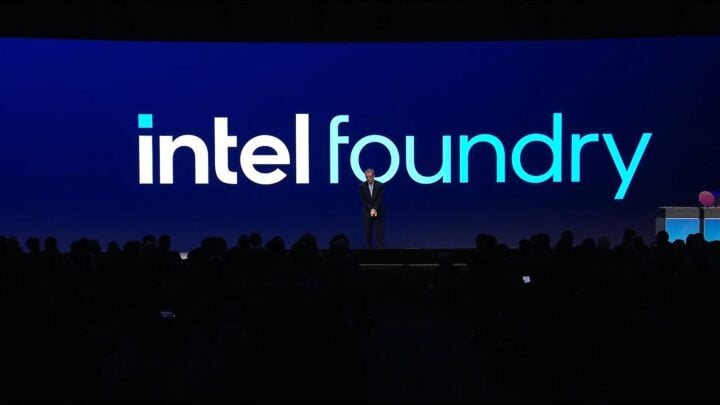
During the IFS Direct Connect 2024 event, Intel’s CEO, Pat Gelsinger, made a surprising announcement that could reshape the semiconductor industry. Intel Foundry Services (IFS), Intel’s dedicated semiconductor manufacturing division, has expressed its willingness to produce chips for any brand, which astonishingly includes direct competitors like AMD, Nvidia, and Qualcomm.
Demanding questions have been addressed regarding Intel’s new direction. One such question came up during an interaction when Pat was asked how the company plans to manage potential internal conflicts as its manufacturing services potentially empower direct competitors. In response, Pat clarified Intel’s stance by asserting that a clear distinction exists between Intel’s products and its foundry services. He disclosed that Intel Foundry Services would operate as a separate legal entity, complete with its own finances. The primary mission for IFS is set succinctly: to maximize the capacity utilization of its fabrication plants by servicing a diverse range of customers.
Pat was enthusiastic about the inclusive approach of IFS, indicating its ambition to be the go-to foundry not just for top tech executives like Jensen Huang of Nvidia, Christiano Amon of Qualcomm, Sundar Pichai of Google, and Satya Nadella of Microsoft, but also extending the same aspiration towards AMD’s Lisa Su. This approach cements Intel’s goals to become the predominant foundry in the Western world without discrimination.
This expanded service offering from Intel, Pat emphasized, is all about opening up Intel’s cutting-edge, performance-centric, and efficient technologies to everyone in the industry. It’s a move that suggests a significant shift in the dynamic within the semiconductor manufacturing market, and the wider tech industry could see impacts as well.
Intel’s proposed venture to fabricate chips for competitors stands to be a potential game-changer and could pose considerable challenges to the wherewithal of established foundry giants like Samsung Foundry and TSMC. This is particularly true if one takes into account Intel’s advanced technological capabilities, which include the potential for manufacturing using 2nm and even 1.8nm process technologies.
Intel’s announcement may signal a strategic pivot towards inclusivity and cooperation within the industry, potentially heralding a new era in chip manufacturing as Intel opens its doors to develop silicon for the broader tech landscape.