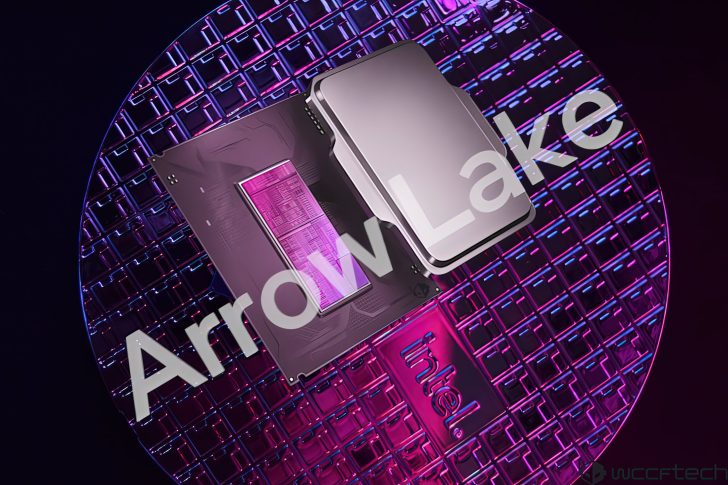
Intel is stepping up its game with the introduction of its Arrow Lake CPUs, which showcase an innovative redesign that promises to enhance performance. A notable change is the repositioning of the CPU hotspot, moving it further north compared to the previous Raptor Lake models. This shift necessitates a more tailored cooling solution and catches the eye of enthusiasts and tech-savvy users alike.
For those unfamiliar with the term “hotspot,” it refers to the specific area on the CPU where the highest heat concentration occurs. This spot is crucial for cooling manufacturers, as it dictates how cooling solutions should be designed for optimal heat dissipation.
Reports confirm that Intel’s Core Ultra 200 series, part of the Arrow Lake CPUs, will not fit into the older LGA 1700 sockets. Instead, these chips will require the new LGA 1851 socket. The architectural changes come with a new CPU tile arrangement, impacting how heat spreads.
Fortunately, MSI is already ahead of the game, addressing the changes with a pioneering solution. Recognizing the need for an adaptive cooling strategy, MSI has announced an innovative “offset mount” designed to work with its existing coolers. This clever mount redirects the cooler’s base northeast, efficiently reducing CPU temperatures by approximately 3°C—an impressive feat for thermal management.
This move by MSI reflects their commitment to ensuring that tech enthusiasts can continue using their current cooling systems without having to seek entirely new units. The offset mount will be featured in MSI’s MAG CORELIQUID I360 liquid cooler, enhancing its compatibility with the latest Intel CPUs.
While MSI leads this adaptation, it’s anticipated that other manufacturers will follow suit. Some, like Noctua and Arctic, have already confirmed their coolers will be compatible with the LGA 1851 socket, showing preparedness for the market shift.
For current users, authorized retailers will provide the new offset mount upon request once the Arrow Lake CPUs become available. This ensures a smooth transition and optimization of the cooling efficiency for Intel’s next-generation processors.
This strategic move by MSI and Intel’s innovative design propose an intriguing future for CPU development and cooling technologies, leaving tech enthusiasts eagerly awaiting the official release.