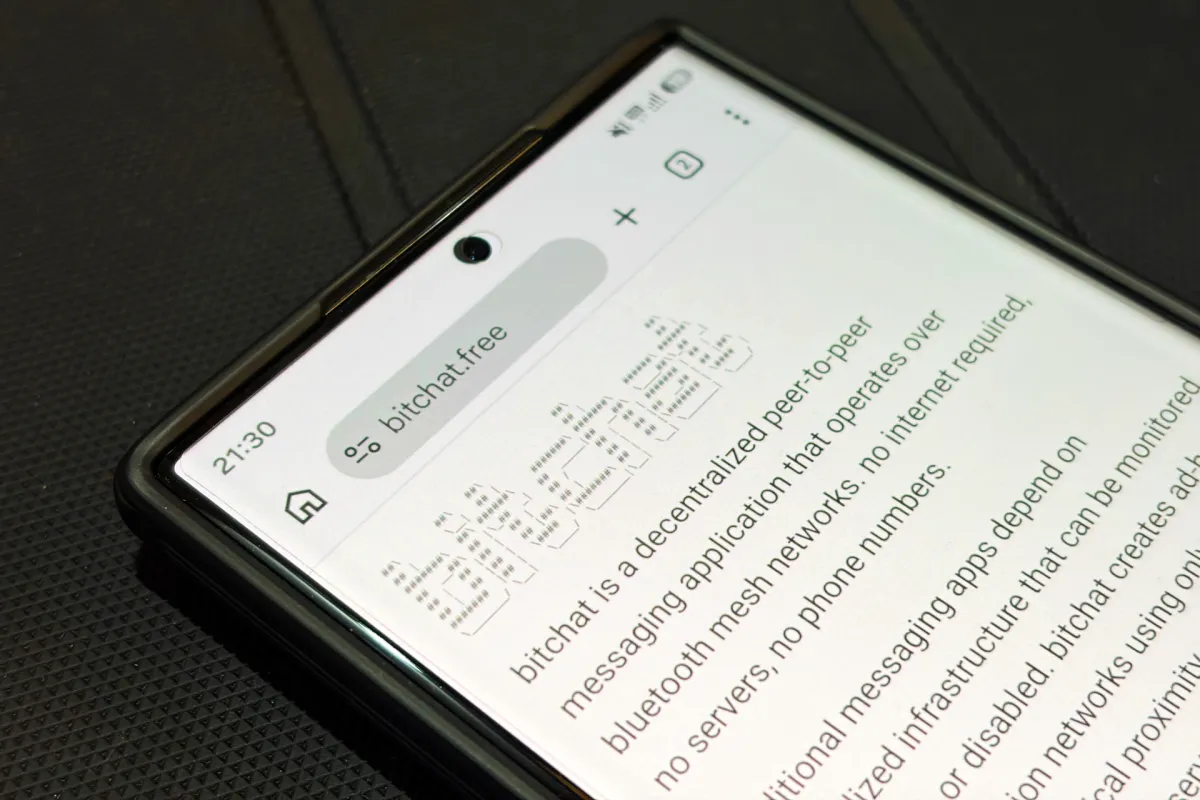
India’s Reported Bid to Block Bitchat Code on GitHub Sparks Open-Source and Digital Rights Debate
A reported Indian government attempt to restrict access to GitHub repositories linked to Bitchat, Jack Dorsey’s offline Bluetooth-based messaging app, has triggered a wider debate over open-source software, privacy, and communication during internet shutdowns.
The controversy began after Dorsey shared what he described as a notice from India’s Ministry of Home Affairs. The document reportedly instructed GitHub to restrict access to three Bitchat repositories within three hours. The notice argued that the app’s anonymous and decentralized design could be used for unlawful activity, especially because it allows people to communicate without relying on the internet or central servers.
Bitchat is designed to let users exchange messages through nearby devices using Bluetooth mesh networking. That means the app can continue working even when mobile data, Wi-Fi, or regular internet services are unavailable. Supporters see this as a valuable tool for emergencies, protests, natural disasters, and situations where normal communication channels fail. Authorities, however, appear concerned that the same features could make monitoring, attribution, and lawful interception more difficult.
The reported takedown request comes amid tighter internet controls in India following weeks of student-led protests in New Delhi. The demonstrations, widely referred to as the “cockroach” movement, have drawn thousands of young people angered by alleged examination paper leaks. Protesters have demanded the resignation of Education Minister Dharmendra Pradhan, while authorities have restricted attempts to march toward parliament.
As internet services were suspended in some areas, local reports said several protesters turned to offline messaging apps, including Bitchat and Briar, to stay connected. This appears to have pushed Bitchat into the spotlight and made it a focus of government concern.
According to the notice shared by Dorsey, the Indian Cyber Crime Coordination Centre, which operates under the Home Ministry, raised concerns that Bitchat could allow communication “even during network restrictions” and “internet shutdowns.” The document reportedly said this could help users bypass lawful restrictions and make traceability more difficult.
Legal experts and digital rights advocates say the request raises serious questions. Before 2021, Indian authorities generally relied on Section 69A of the Information Technology Act and the 2009 Blocking Rules when ordering nationwide content blocking. Those rules are typically used to target specific online content considered unlawful. In this case, however, the reported notice does not appear to identify particular illegal messages, posts, or files. Instead, it focuses on the structure and capabilities of the software itself.
That distinction matters. Critics argue that targeting a software project because of how it functions could create a troubling precedent for open-source development. If governments can demand removal of code simply because it enables private or decentralized communication, many privacy tools, encryption projects, and peer-to-peer technologies could face similar pressure.
Digital rights groups have also questioned whether removing GitHub repositories would actually stop Bitchat from being used. Once an app is installed on a phone, deleting or restricting access to its source code does not automatically remove it from users’ devices. Because Bitchat does not depend on a central server, the network can continue operating through nearby devices.
One rights group argued that such a takedown would do little to stop existing use of the app but would make it harder for researchers, developers, and security experts to examine the code. Open-source repositories allow public scrutiny, bug reporting, and transparency. Restricting them could reduce accountability rather than improve safety.
The reported order has also revived debate about internet shutdowns in India. Rights advocates say that when authorities suspend internet access during protests or unrest, offline communication tools can become essential for peaceful coordination, safety updates, and emergency communication. Blocking such tools, they warn, risks turning a temporary internet restriction into a broader communication blackout.
Privacy advocates argue that people in a democracy should be able to communicate securely and privately, especially during public demonstrations. They say the right to peaceful assembly depends not only on physical presence but also on the ability to coordinate, share information, and seek help when needed.
At the same time, governments often defend communication restrictions by citing public order, national security, and the risk of misinformation or unlawful activity. The tension between these concerns and civil liberties is not new, but the Bitchat case adds a new dimension: whether authorities can go after the underlying code of a decentralized tool rather than specific illegal conduct.
Bitchat’s popularity in India reportedly surged in recent days. App intelligence data cited by media outlets indicated that India accounted for the overwhelming majority of the app’s global downloads during a short period in July. Downloads reportedly jumped sharply after July 19, with tens of thousands of installations in India within days. Daily active users in the country also rose significantly, reaching what appeared to be the app’s highest recorded level there.
GitHub did not publicly confirm receiving the reported notice. As of Friday, the repositories were still accessible from India. The platform has previously stated that when it receives a complete government takedown request, it notifies affected account owners and gives them a chance to appeal. It also says it publicly shares government takedown requests when action is taken.
India’s Home Ministry did not issue an immediate public response to the reported notice.
The Bitchat dispute highlights a growing global challenge: how governments should respond to decentralized and privacy-focused technologies. Offline messaging apps, encrypted platforms, and open-source tools can be used by activists, journalists, students, and ordinary citizens seeking reliable communication. They can also raise legitimate concerns for law enforcement when misused.
But critics say the solution cannot be to suppress open-source software simply because it is difficult to monitor. They warn that doing so could weaken innovation, reduce transparency, and undermine digital rights.
For now, the reported attempt to restrict Bitchat’s GitHub repositories remains a flashpoint in the larger debate over internet shutdowns, privacy, protest rights, and the future of open-source communication tools in India.