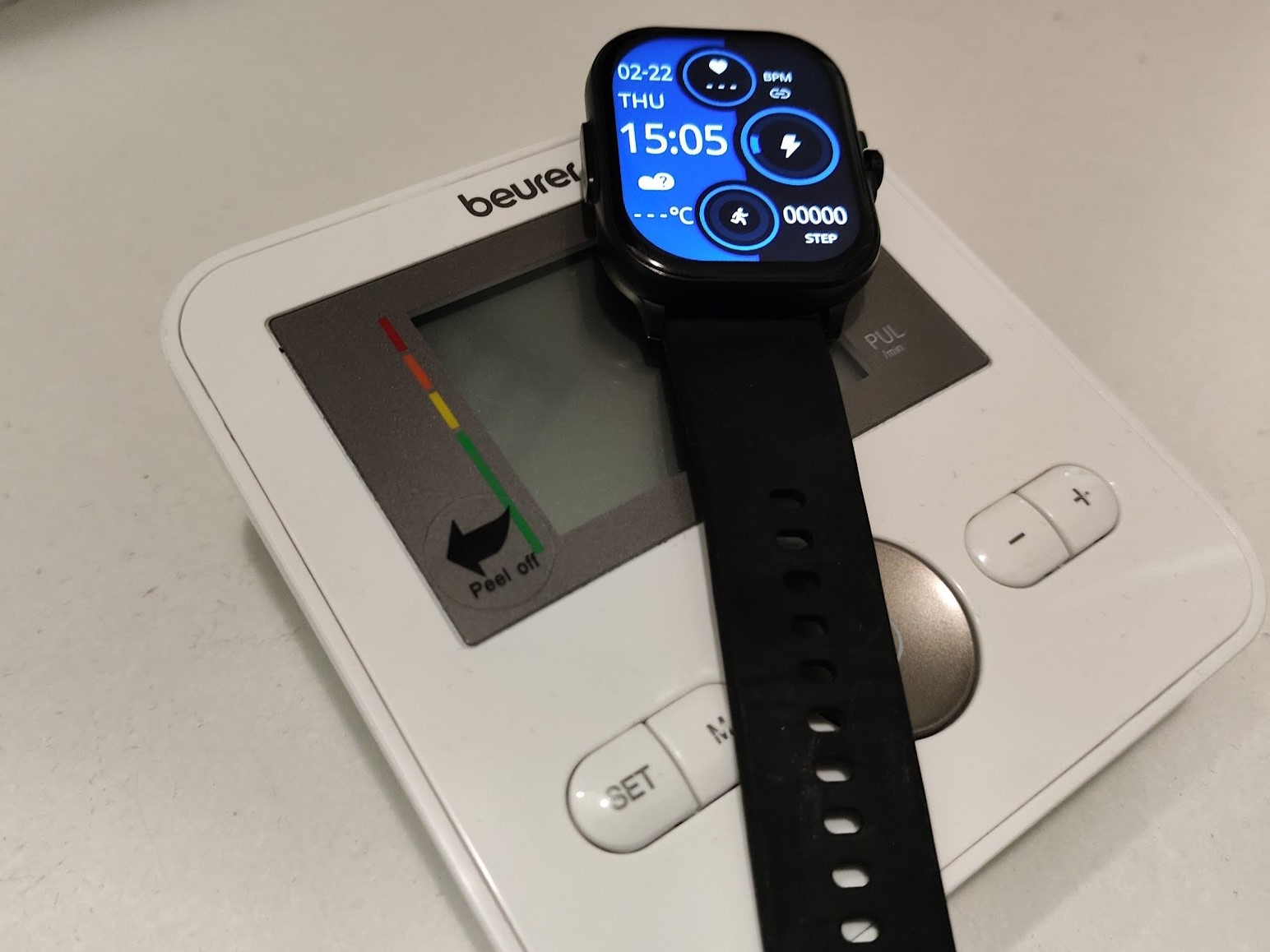
When it comes to wearable technology and health monitoring, the iHEAL 6 smartwatch has features that attract users who are conscious about their health metrics. Among the capabilities of the iHEAL 6, is the integration of an ECG (Electrocardiogram), blood pressure monitoring, and blood sugar level tracking, which raises the question of the accuracy and reliability of such advanced health features in a consumer device.
Analyzing the ECG quality is not a straightforward task. There’s a distinction to be made between the simple recording of the ECG data and the device’s interpretation and analysis of the data. The iHEAL 6 reportedly can graphically display the ECG, and for those with medical expertise, it’s possible to ascertain if the visualization is accurate to a certain extent. This accuracy can be cross-referenced with a professional ECG taken simultaneously, matching any physiological abnormalities displayed by both the smartwatch and the professional readings.
It should be clarified that the iHEAL 6 provides a 1-channel ECG, primarily representing lead I according to the Einthoven’s triangle, which offers a limited glimpse into the heart’s electrical activity and is not comparable to the comprehensive multi-lead ECG performed in medical facilities.
There is, however, a limitation in verifying the smartwatch’s ability to diagnose conditions such as cardiac arrhythmia, primarily due to the absence of a suitable test subject with said condition during the evaluation. Thus, while preliminary results are promising, it’s crucial for users to understand that the device’s diagnostic capabilities may not be conclusive.
Furthermore, it was determined that an in-depth analysis of the iHEAL 6’s performance as a general smartwatch was not the focus. Despite this, the device has been noted for its impressive display and quality craftsmanship, standing out in the wearables market for its design and functionality.
In conclusion, while the iHEAL 6 shows potential in tracking and visualizing vital health parameters, users should be cautious and aware that such a device is supplementary and should not replace professional medical devices and consultations for accurate diagnosis and treatment.


