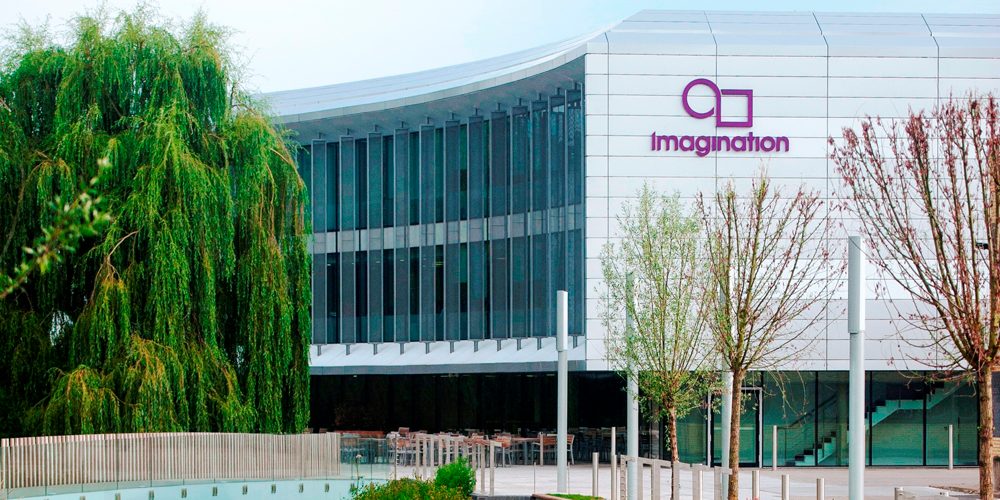
Imagination Technologies, the prestigious chip designer known for its PowerVR GPU architecture, has received significant funding to spearhead its venture into the AI domain. Historically, the company was a major player in the GPU industry during the late 20th century, with its technology embedded in 12 billion devices across both desktop and mobile platforms. Apple was a notable partner until 2017, when it shifted to developing its own custom GPU solutions. Following this, Imagination Technologies was acquired by the Chinese equity firm Canyon Bridge, gaining traction in the Chinese market.
Currently, the company is pivoting toward the edge AI sector under new leadership. With advancements in its GPU IP technologies, Imagination Technologies has secured $100 million from Fortress Investment Group to rejuvenate its operations, emphasizing AI capabilities.
Imagination aims to leverage its robust and power-efficient GPU IPs while enhancing the software side of AI development. Tim Mamtora, Chief of Innovation and Engineering, highlighted that the future competitiveness will hinge on developing a comprehensive AI software ecosystem, possibly to rival NVIDIA’s CUDA platform. The goal is to create a versatile platform that allows developers to run their hardware on any software stack seamlessly.
A focus area for Imagination Technologies is to make their AI solutions more accessible and efficient for developers, potentially through innovations like ZLUDA, which translates CUDA to run on different hardware.
Imagination Technologies boasts a strong portfolio in AI, including products like the PowerVR Series 9XE and their Neural Network Accelerator, tailored for neural network computations. Although new product releases are anticipated, the firm is currently concentrating on refining its software capabilities to meet evolving market demands.
The transformation in leadership and strategic planning indicates a determined effort by Imagination Technologies to reclaim its position in the market. The industry will be watching closely to see how they adapt and innovate in the AI landscape.


