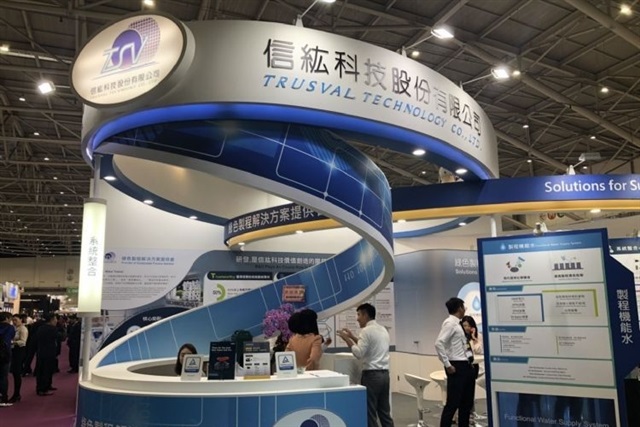
The semiconductor industry is one to watch, especially as companies like Trusval Technology, which is based in Taiwan, make significant strides forward. Trusval Technology, an IC (integrated circuit) equipment supplier to the industry giant TSMC, has positioned itself for a strong second half of the year in 2024, thanks to a strategic shift towards system integration engineering services.
This move not only distinguishes Trusval in the competitive landscape but has also allowed the company to effectively siphon market share from its competitors, such as Marketech International. System integration engineering involves the comprehensive coordination of subsystems within the larger manufacturing process, ensuring that all components work together seamlessly. This is a vital service in the production of integrated circuits and the broader semiconductor manufacturing industry, which relies heavily on precision, efficiency, and innovation.
### A Deep Dive into System Integration Engineering
Companies like Trusval are recognizing the importance of system integration engineering. As they broaden their service offerings, they can meet the increasingly complex demands of semiconductor manufacturing. This field is critical in ensuring that every aspect of the production line communicates properly and functions harmoniously. It’s about creating a synergistic environment where software, hardware, and various processes align perfectly.
### Industry Implications and Benefits
The transition to system integration not only bodes well for the companies that invest in it but also for the industry at large. It increases production efficiency, reduces the likelihood of errors, and paves the way for more sophisticated and high-quality semiconductor products. It’s a proactive approach that anticipates the burgeoning needs for more complex integrated systems as technology continues to advance.
### What This Means for Other Suppliers and Competitors
For Trusval Technology’s competitors, the company’s successful shift is a wake-up call. They must either adapt to the changing times by enhancing their services or risk losing market share. As more companies like Trusval specialize in system integration engineering, the industry standard will inevitably rise, leading to a general upsurge in quality and innovation.
### Practical Advice for Industry Stakeholders
If you’re a stakeholder in the semiconductor industry, it’s essential to embrace the latest trends and developments like system integration. Here’s a step-by-step guide to stay competitive:
1. **Conduct Market Research**: Continuously analyze market trends and shifts within the semiconductor industry. Keep a close watch on successful companies like Trusval to learn from their strategic moves.
2. **Invest in Training and Development**: System integration engineering requires a high level of expertise. Invest in your workforce to ensure they are up to speed with the latest technical skills and knowledge.
3. **Adopt a Customer-Centric Approach**: Understand that system integration is more than just a technical offering; it’s about solving customer problems and streamlining their operations. Tailor your services to meet these needs precisely.
4. **Focus on Quality and Innovation**: Consistently deliver high-quality services and pursue innovation in your integration solutions to keep ahead of the competition.
5. **Forge Strategic Partnerships**: Collaborate with other companies, whether they are suppliers, manufacturers, or integrators, to offer comprehensive solutions and tap into new markets.
### Conclusion
Trusval Technology’s anticipated strong performance in the latter half of 2024 underscores the critical importance of system integration engineering in the semiconductor industry. Not only does it signify the company’s forward-thinking approach, but it also sets a new standard for what it takes to be a leader in this field. Other companies should take note of these industry shifts and consider how they can adapt to stay relevant and successful. The drive towards such innovation not only promises robust business growth but also the advancement of semiconductor technology at large.


