Huawei is entering 2026 with a clear message: the company isn’t just surviving years of geopolitical pressure and US sanctions—it’s adapting, rebuilding, and pushing forward with a strategy designed for long-term resilience.
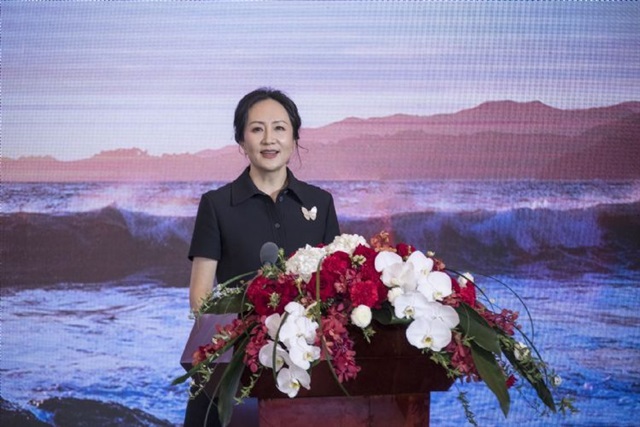
On December 30, 2025, Huawei’s rotating chairwoman, Sabrina Meng, delivered the company’s 2026 New Year speech, using the moment to reflect on the obstacles Huawei has faced over the past several years and how those challenges have shaped its business priorities. The address positioned Huawei’s recent progress as the result of deliberate choices: strengthening internal capabilities, staying flexible in a changing global environment, and continuing to serve customers even when external conditions are difficult.
Rather than focusing only on the setbacks of sanctions and restrictions, the speech emphasized endurance and execution—two themes that have become central to Huawei’s public narrative. The company framed its approach as a steady, long-term business strategy built to withstand uncertainty, whether that comes from supply chain shocks, shifting international policies, or broader geopolitical tension.
The key takeaway from Meng’s remarks is that Huawei views resilience as more than a slogan. It’s presented as a practical operating model: maintaining momentum under pressure, making the organization tougher through constraint, and continuing to invest in what it can control. For Huawei, that means doubling down on business stability, pushing forward with strategic planning for the year ahead, and reinforcing confidence among employees, partners, and customers as 2026 begins.
As global attention continues to follow how major technology companies respond to political and regulatory headwinds, Huawei’s New Year speech signals a company intent on projecting strength, continuity, and readiness for what comes next—even after years of challenges that have tested nearly every part of its operation.