The latest buzz from the tech world highlights some groundbreaking developments, particularly around Huawei and China’s semiconductor strides. From May 26 to June 1, key stories emerged covering a range of topics from Huawei’s chip innovation to global market shifts.
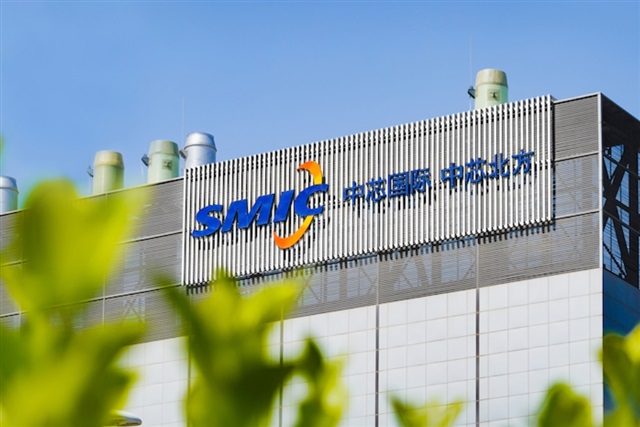
Huawei has unveiled its first HarmonyOS PC featuring the 5nm Kirin X90 chip, crafted with SMIC’s N+2 node and 4nm packaging. This achievement signifies a critical step for China’s chip autonomy, offering an alternative to the EUV technology blockade. While its transistor density is slightly behind tech leader TSMC, Huawei’s efforts show a promising EUV-free approach to chip development.
In another twist, Wolfspeed’s financial troubles are shaking the SiC market. The company is on the brink of bankruptcy, which threatens its $2 billion supply deal with Japan’s Renesas. Wolfspeed’s challenges are compounded by a dip in EV demand and increased competition from China, putting suppliers and partners on edge about potential disruptions.
China’s tightening of export controls is causing ripples across the global supply chain. Stricter regulations on materials like gallium and graphite are hampering international factory setups, especially in Southeast Asia. Since mid-2024, these controls have driven a pivot toward local sourcing, despite the added costs and logistical hurdles.
Simultaneously, Huawei and Lenovo are making headlines with AI devices powered by 5nm-class chips. These chips, built without EUV tools, highlight China’s potential for innovation despite technological barriers. Though they present economic challenges due to lower yields and higher costs, the effort shows a commitment to advancing chip capabilities.
Looking at the broader market, Huawei-backed Zhuhai Cornerstone is rising as a significant player in localizing chipmaking materials. Established in 2022, and despite being added to the US Entity List, it remains a crucial contributor, backed by Huawei with a strong R&D team.
Malaysia is also making waves with its strategic shift toward advanced IC design and packaging. Targeting $270 billion in exports by 2030, the country is leveraging partnerships, such as with ARM, to develop talent and bolster its position in the semiconductor industry.
Lastly, Samsung is inching closer to joining Nvidia’s HBM3E supply chain, striving to clear final certifications. Although SK Hynix continues to lead, Samsung’s advancements show promise, while Micron is already marking significant progress in its shipments, aiming to expand its market presence.
Together, these developments portray a rapidly evolving semiconductor landscape, driven by innovation and strategic moves that are reshaping industry dynamics globally.