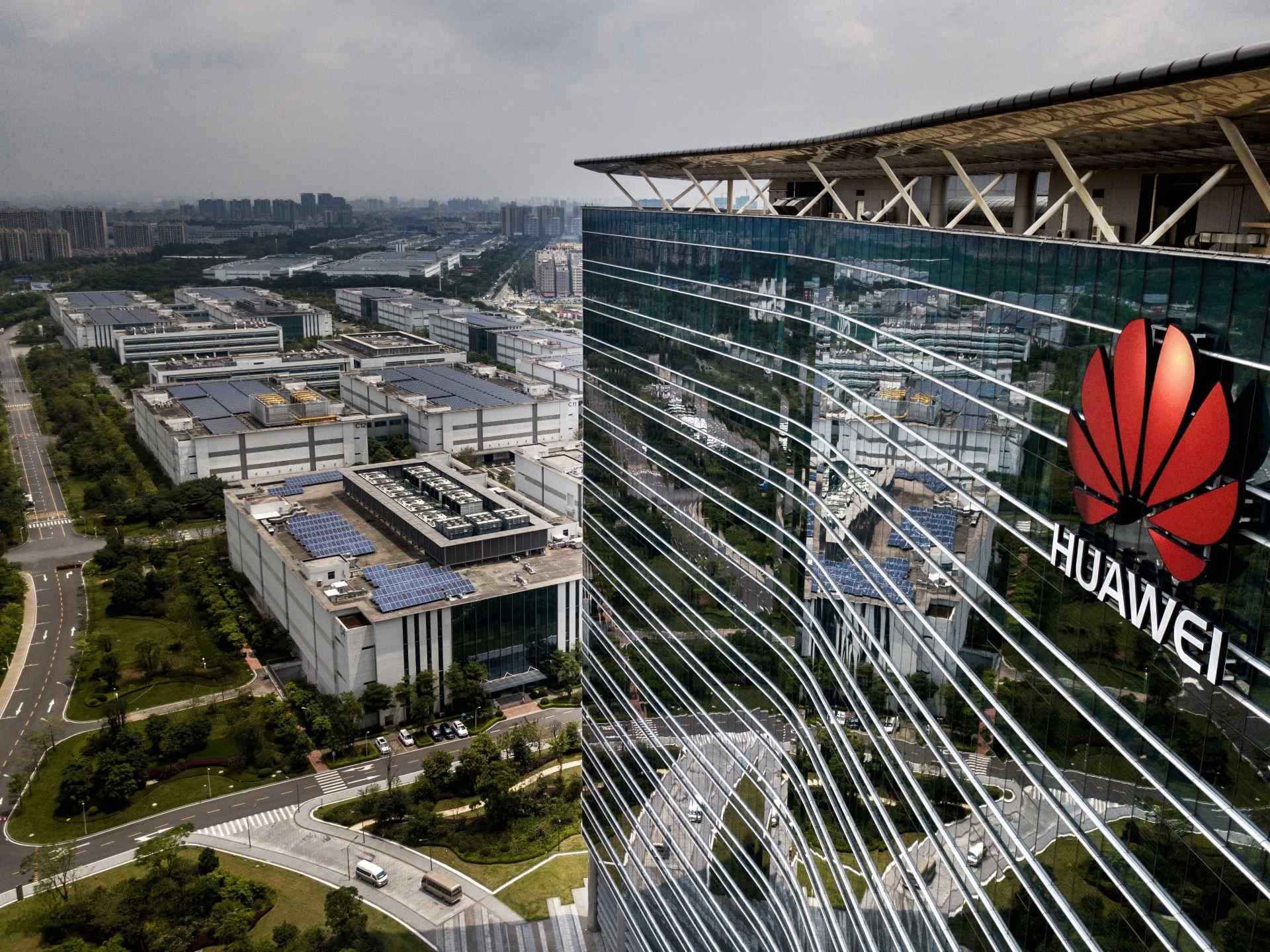
In a bold move, Huawei and SMIC are navigating the complexities of the semiconductor world, having seemingly mastered the 5nm process. However, they face significant hurdles in mass production using dated DUV machinery, which limits their scalability. In a bid to achieve complete technological independence, Huawei is reportedly luring TSMC’s skilled engineers with tempting offers—tripling their current salaries.
Every three months, TSMC engineers are inundated with emails from Huawei via recruitment agencies, enticing them to explore new career opportunities. One such recipient, Chloe Chen, a seasoned 43-year-old engineer, frequently encounters these offers in her inbox. Despite the allure, Chloe has never responded, possibly due to satisfaction with her current job or the potential career risks associated with transitioning to Huawei.
The stakes are high for engineers like Chloe. Abandoning a Taiwanese tech giant for Huawei could mean permanent exclusion from re-employment in Taiwan’s tech sector. The Taiwanese Justice Investigation Bureau has been probing similar cases, where supposed data analysis firms act as fronts for recruiting top-tier Taiwanese talent to bolster China’s semiconductor prowess.
The financial incentives from Huawei are undeniably attractive, yet they come with strings attached. The risks include not only professional ostracization but also a potentially exploitative work environment. Even with significantly higher salaries, there’s no guarantee of favorable working conditions, raising concerns about possible overwork and exploitation.
For Taiwanese engineers, these offers present a double-edged sword. The lure of substantial financial gain is shadowed by the precariousness of long-term career prospects. With the knowledge that returning to a Taiwanese employer might become impossible, making the jump to Huawei comes with the possibility of being trapped in an uncertain and potentially exploitative situation. This creates a challenging dilemma for Taiwan’s top tech talent, as they weigh the promise of immediate financial reward against potential career sabotage.