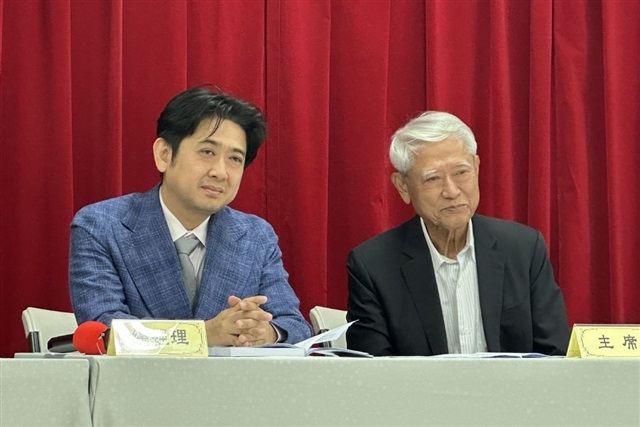
The semiconductor industry is witnessing a significant transformation, thanks in part to companies like Csun Manufacturing. Contributing to the burgeoning field of sophisticated integrated circuit solutions, Csun is carving a niche for itself in the supply chain for advanced 2.5D and 3D IC packaging technologies. In a recent shareholder meeting, company president Frank Liang shed light on Csun’s pivotal role in this space.
Advanced packaging technologies are vital for the formation of highly integrated circuits, providing solutions that are more compact, efficient, and powerful than ever before. As electronic devices become smaller and demand for computational power increases, the industry is looking to 2.5D and 3D IC packaging as the next step in meeting these needs.
Csun Manufacturing has positioned itself strategically to contribute to this advanced packaging supply chain. With a specialization in PCB and semiconductor equipment, Csun’s expertise is instrumental in addressing the complexities associated with newer packaging processes.
Understanding the Impact of 2.5D and 3D IC Packaging
2.5D and 3D IC packaging represent a departure from traditional 2D layouts of circuits on semiconductor wafers. Instead, these advanced techniques involve layering multiple chips or integrating them in a vertical stack. The result is a multi-die configuration that offers increased performance, reduced latency, and better energy efficiency.
The significance of Csun’s engagement in this process cannot be understated. The company’s tools and services are critical for ensuring that the precision required for these technologies is met. In the field of advanced IC packaging, any shortcomings in the manufacturing process can lead to ineffective chips and substantial loss in potential performance.
Strategies to Build a Robust Supply Chain
Csun Manufacturing appears to be proactive in ensuring a robust supply chain for this technology. A few actionable strategies that are applicable in pursuing excellence in the advanced packaging supply chain include:
1. **Investment in Cutting-Edge Technology:**
Companies must invest in the latest semiconductor equipment capable of dealing with the intricacies of advanced packaging techniques. This includes machines that can handle the finer pitches and smaller sizes typical of 2.5D and 3D IC packages.
2. **Focus on Research and Development:**
Continuous research and development are vital for staying ahead of the rapidly evolving marketplace. Companies could establish dedicated R&D centers focusing on innovation within the IC packaging domain.
3. **Collaboration and Alliances:**
Creating strategic partnerships with other stakeholders in the semiconductor industry, including chip manufacturers as well as equipment and material suppliers, can streamline processes and facilitate technology sharing.
4. **Skilled Workforce Training:**
As these advanced technologies are relatively new, there’s a need for a proficient workforce trained in the latest packaging techniques. Initiatives to upskill technicians and engineers can be beneficial.
5. **Quality Control Measures:**
Impeccable quality control is critical since the advanced packaging process is exceptionally delicate. Deploying rigorous quality checks throughout the manufacturing process ensures the reliability of the components.
6. **Supply Chain Optimization:**
Mapping out the supply chain to identify potential risks and bottlenecks, followed by implementing strategies to mitigate these issues, will be crucial for the fluid operation of the supply chain.
In a constantly evolving field such as semiconductor manufacturing, keeping up with recent trends is equally crucial. Companies in this sector must stay abreast of technological developments, material innovations, and market demands to effectively plan and forecast their production strategies.
Applying Advanced Packaging Technologies in Real-World Scenarios
For industry professionals and enthusiasts looking to apply this information, consider monitoring the advancements of companies like Csun Manufacturing which play instrumental roles in the integrated circuit packaging industry. Understanding how these technologies influence the design and functionality of consumer electronics, for instance, can offer insights into how products are evolving.
Furthermore, for professionals within the industry, recognizing the necessity for advanced packaging solutions can guide investment in relevant training and technology, thereby keeping their skills and capabilities competitively relevant.
In conclusion, Csun’s contributions to the supply chain in 2.5D and 3D IC packaging are indicative of a wider industry trend towards more sophisticated integrated circuit solutions. By acknowledging the industry’s direction and proactively engaging with these advancements, companies and individuals alike can position themselves to benefit from this technological evolution.