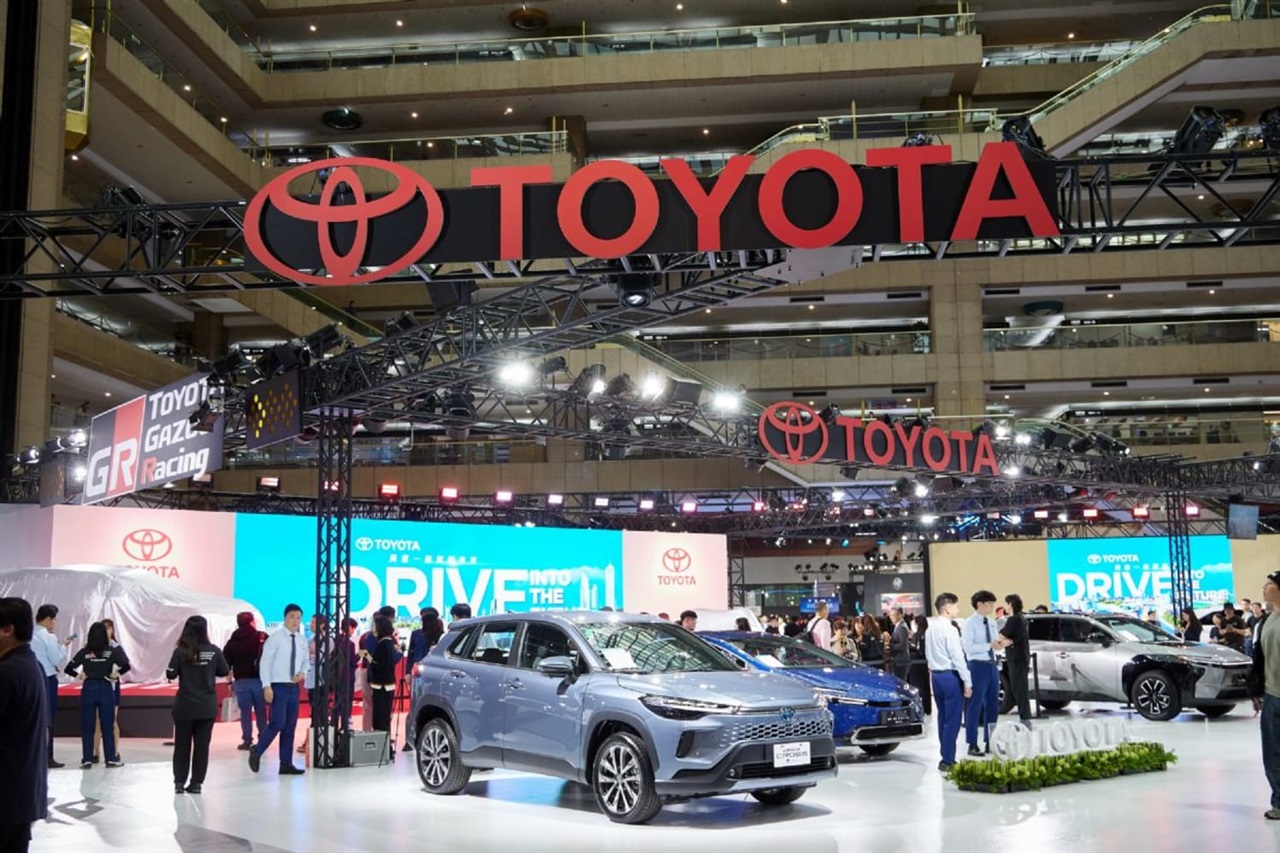
Taiwan’s new-car market is showing signs of slowing as major auto players take a more cautious stance on sales for the second half of 2026. Hotai Motor and Nan Yang Industrial have both adjusted their market expectations, pointing to a mix of economic pressure, global uncertainty, and weaker consumer confidence.
The revised outlook comes as Taiwan’s automotive industry faces several challenges at once. Geopolitical tensions continue to weigh on business and household sentiment, while fluctuating international oil prices are making it harder for buyers to predict long-term vehicle ownership costs. At the same time, concerns over tariffs and broader trade conditions are adding another layer of uncertainty for automakers, importers, and consumers.
For many car buyers in Taiwan, the decision to purchase a new vehicle may now require more careful consideration. Rising living costs, unstable fuel prices, and concerns about the global economy could lead some consumers to delay purchases or choose more budget-conscious models. This shift in buying behavior is expected to affect overall new-car sales momentum in the months ahead.
Hotai Motor, one of Taiwan’s leading automotive distributors, and Nan Yang Industrial, another key player in the local market, are now signaling that growth may be harder to achieve during the remainder of the year. Their more conservative forecasts suggest that the auto sector is preparing for a slower and more competitive sales environment.
Despite the softer outlook, demand has not disappeared entirely. Consumers may continue to show interest in fuel-efficient vehicles, hybrid models, and cars with strong long-term value. Automakers and dealers may also respond with promotional campaigns, flexible financing plans, and attractive after-sales services to encourage buyers to return to showrooms.
The second half of 2026 will be an important period for Taiwan’s new-car market. If oil prices stabilize, tariff concerns ease, and consumer confidence improves, the industry could regain some momentum. However, if uncertainty persists, car sales may remain under pressure as buyers take a wait-and-see approach.
For now, Taiwan’s auto market appears to be entering a more cautious phase, with industry leaders closely watching global developments and local consumer trends before making their next move.