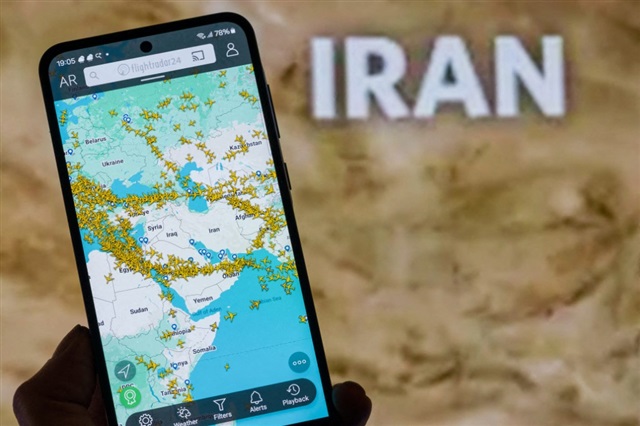
As the world races to scale artificial intelligence, much of that optimism rests on something far more tangible than algorithms: uninterrupted energy and shipping routes. Right now, that physical backbone is under pressure in one of the most strategically sensitive chokepoints on the planet—the Strait of Hormuz—raising fresh concerns about how geopolitical tensions could ripple into AI supply chains, power markets, and Taiwan’s energy security.
AI growth is often described in terms of breakthroughs in chips, cloud computing, and software. But behind every new model and data center expansion is an enormous demand for electricity, steady fuel imports, and predictable logistics. When risk rises in the Persian Gulf, the immediate worry is disruption to oil and liquefied natural gas flows. The secondary effects can be just as impactful: higher energy prices, renewed volatility in shipping insurance and freight rates, and uncertainty for import-dependent economies that rely on stable seaborne supply.
Taiwan sits at the center of this concern. As a key hub in the global technology ecosystem, it is deeply exposed to energy instability. Taiwan imports the vast majority of its energy, and any shock that tightens global fuel supply or pushes prices upward can quickly become a national security issue as well as an economic one. When the Strait of Hormuz becomes less predictable, governments and industry players alike are forced to plan for scenarios that were previously considered unlikely—ranging from short-term shipping delays to longer-lasting disruptions that strain inventories and budgets.
This is why tensions in the region are being watched far beyond the Middle East. In practical terms, data centers, semiconductor manufacturing, and the broader tech supply chain do not operate in isolation. They depend on stable power generation and cost-effective energy procurement. If fuel costs surge, operating expenses rise across the board—from electricity generation to transportation, manufacturing, and cooling infrastructure. That can slow down expansion plans, squeeze margins, and influence where new investments go.
For Taiwan, the situation underscores the urgency of resilience planning. That can mean accelerating contingency measures, diversifying energy sources, improving strategic reserves, and strengthening coordination across government and critical industries. Even if disruptions never materialize, the risk itself can change behavior—prompting more cautious procurement, higher costs for hedging, and increased pressure to secure alternative routes and suppliers.
The bigger picture is clear: AI may be digital, but it is powered by a real-world network of energy, shipping, and industrial capacity. When a narrow maritime corridor thousands of kilometers away becomes a flashpoint, it can test the energy security of technology-driven economies and expose how tightly connected global growth has become to a few critical passageways.