Gamers’ Preferences: The Shift Towards Higher VRAM GPUs
In the world of gaming, VRAM is a hot topic. Despite AMD and Nvidia’s claims that most gamers don’t need more than 8 GB of VRAM, sales tell a different story. A major German retailer has revealed that 16 GB VRAM graphics cards are significantly outselling their 8 GB counterparts.
Recent data showcases that both AMD and Nvidia have released GPUs with 8 GB VRAM in their latest lineups. However, gamers seem to opt for the 16 GB versions, even with the higher price tag attached. Take the RTX 5060 Ti and Radeon RX 9060 XT, for instance. The sales figures from Mindfactory present a compelling narrative.
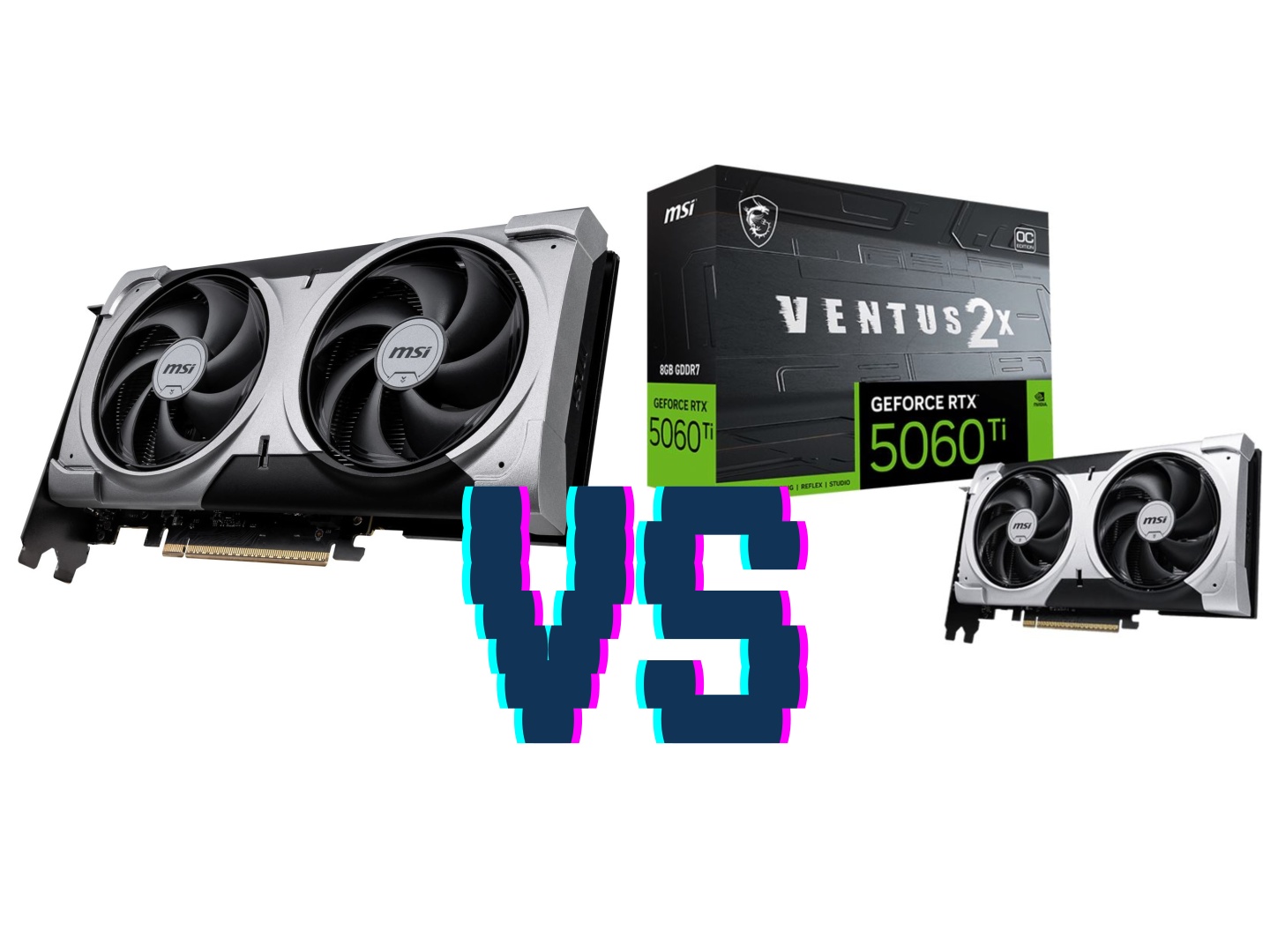
For Nvidia, the Palit RTX 5060 Ti Infinity 3 with 16 GB VRAM has sold over 840 units, overshadowing the 8 GB version’s 30 to 40 units. Similarly, MSI’s RTX 5060 Ti Ventus 2X OC Plus with 16 GB VRAM saw sales of over 450 units, while its 8 GB sibling managed just 40 to 50 units.
The trend continues with AMD’s offerings. The XFX RX 9060 XT Switch OC 16 GB sold over 290 units compared to the meager five to 10 units for the 8 GB variant. This pattern holds across other Radeon RX 9060 XT GPUs as well, highlighting that consumers are willing to pay an extra $50 to $70 for more VRAM.
While this data is specific to one retailer and might not reflect worldwide trends, it illustrates a growing demand. Gamers have experienced the limitations of 8 GB VRAM, especially at resolutions above 1080p. Although AMD argues that most gamers play at 1080p, many fans are pushing for lower prices on these models.
As the gaming landscape evolves, it seems gamers are prioritizing higher VRAM for a more enriched experience, challenging the industry’s assumptions.