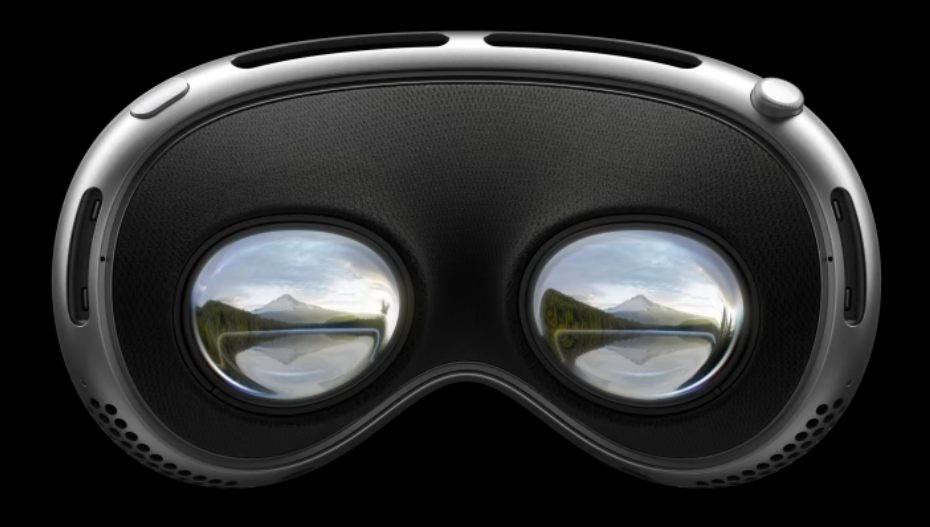
Recent warnings from the scientific community suggest that using headsets similar to the Apple Vision Pro on a daily basis could lead to adverse health effects. Despite Apple positioning the Vision Pro as a comprehensive replacement for traditional devices such as the iPhone, Mac, and iPad, concerns persist that excessive use might negatively affect users’ cognitive and social functioning.
Experts in VR (Virtual Reality) and AR (Augmented Reality) have urged the need for further research into the health implications of using devices like the Vision Pro for everyday tasks such as web browsing, note-taking, messaging, video watching, gaming, and video chatting, which could potentially alter the way individuals think and interact with one another. A 2019 study revealed feelings of social isolation in users of such headsets, indicating potential risks to social connectivity.
The Apple Vision Pro offers a feature called EyeSight in an attempt to mitigate the issue of social isolation. This feature intends to project the user’s eyes onto a display at the front of the headset, making interaction appear more natural to onlookers. However, users have reported that the feature does not deliver as promised, with the eyes appearing pixelated and unnatural, thereby diminishing its effectiveness in fostering social connection.
Other concerns involve the discrepancy between the Vision Pro’s display resolution and the human eye’s capabilities. While the headset boasts a 23 million pixel resolution, it is much less than the 567 million pixels each human eye can perceive, potentially leading to eye strain, motor coordination issues, and problems interacting with real-world objects. Additionally, some users report discomfort such as neck pain and fatigue due to the headset’s weight, as well as nausea related to the narrow field of view and distortion effects during use.
With many research papers already highlighting the negative impacts of prolonged smartphone use—which only became apparent over time—research teams advise caution in promoting daily headset usage. They recommend that companies should refrain from vigorous promotion until comprehensive studies can better understand the long-term effects on human health and productivity.
It’s clear that while the integration of advanced technology into our daily lives offers novel experiences and convenience, it is essential to consider and address the potential health implications that come with adopting such immersive devices.


