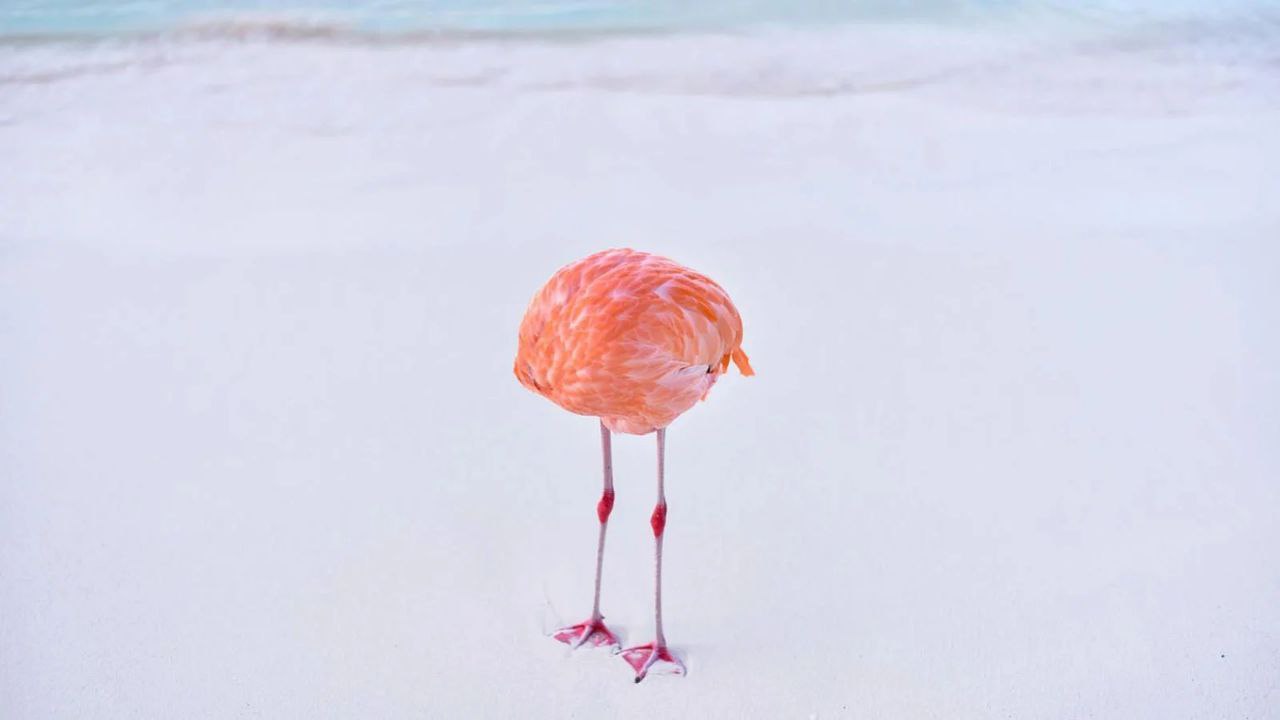
In a surprising turn of events during an annual AI image contest, a real photograph submitted by a photographer named Miles Astray almost clinched third place, challenging the bounds of technology and art. Astray entered an intriguing photograph of a flamingo into the 1839 Awards—a competition initially intended for images generated by artificial intelligence.
The thought-provoking image featured a flamingo positioned in such a way that it appeared headless, a visual anomaly that one might expect from the glitches of AI creations. This visual trickery won the hearts of both judges and the general public, earning Astray the third position and the People’s Vote award within the contest.
The spectacle unfolded further when the photographer revealed on social media that the photo was not the work of an AI but a genuine, human-captured image taken in Aruba. With this revelation, Astray made a potent statement about the enduring value of human creativity in the era of AI-generated art.
However, the celebration was short-lived. Following his announcement, the contest officials acted by disqualifying the entry, emphasizing the need to honor the guidelines which stipulate the submission of AI-generated images. Those who had adhered to the rules were hence protected from being unfairly overshadowed by a non-compliant entry.
The 1839 Awards are known for attracting a diverse array of talents, including both amateur and professional photographers. Judges hailing from prestigious organizations like Getty, Images, and The New York Times provide their expertise to select the finest works that push the boundaries of photography and artistic expression.
Photographers looking to capture high-quality images like the controversial flamingo photograph may consider investing in advanced equipment. A notable option is the Sony DSC-RX100 Gen 7, a compact camera famous for its excellent image quality, now available for photography enthusiasts who desire more than what smartphone cameras offer.
The debate sparked by Astray’s provocative act continues the discourse on the evolving landscape of art, where technology and human talent intersect and sometimes collide. It’s a poignant reminder of the ongoing struggle to define the essence of creativity in the modern world and the validity of artistic methods, whether they be through the lens of a camera or the algorithms of a computer.


