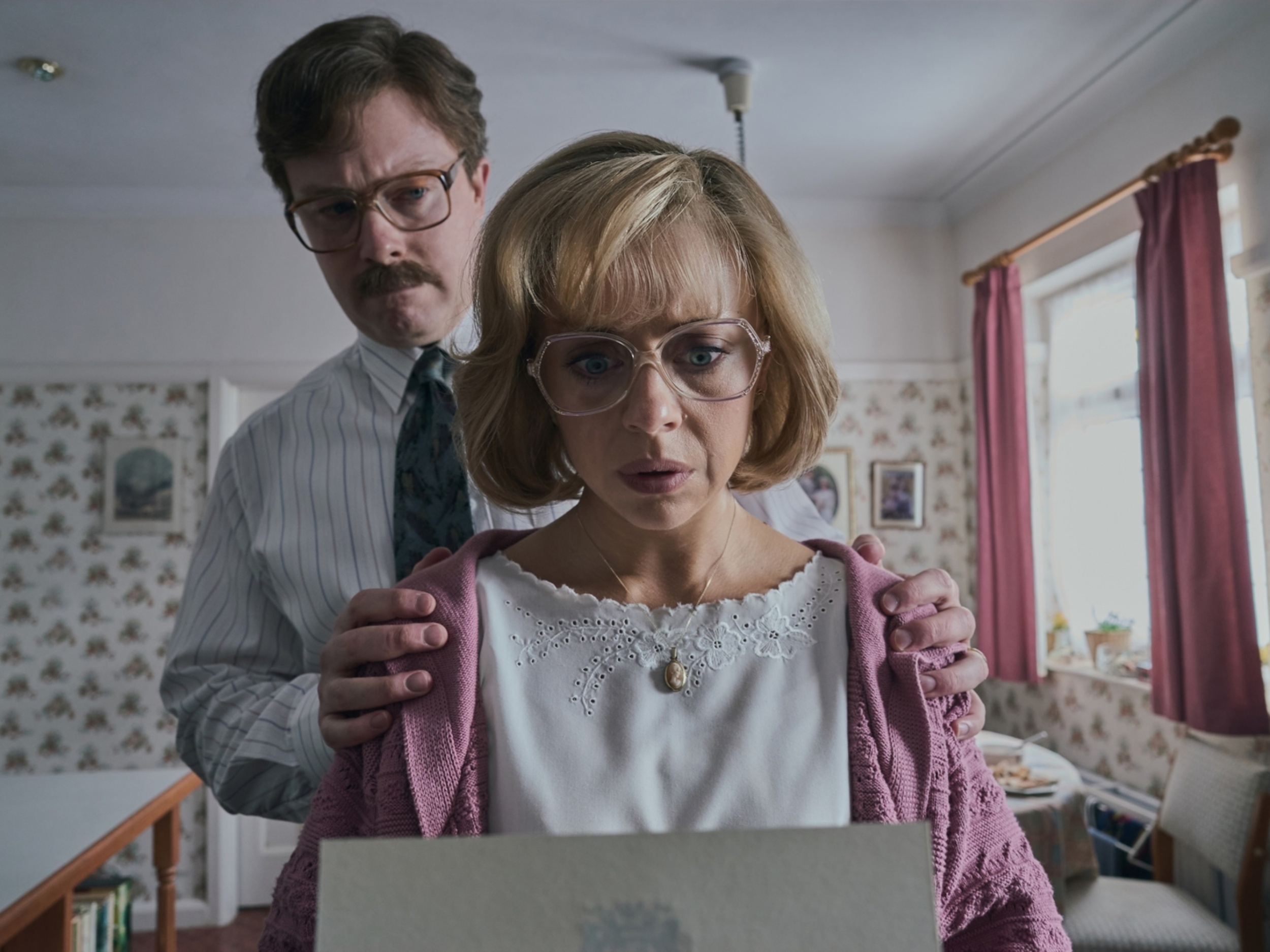
HBO’s upcoming Harry Potter series is already stirring big reactions, and it’s not just because the show promises to stick closer to J.K. Rowling’s books than the movie franchise did. While many fans are excited by the commitment to the original story, the first trailer has sparked a more divided conversation about something else entirely: the show’s visual mood.
On the story side, the signs are encouraging for readers who’ve long wanted a more faithful adaptation. The series is expected to lean harder into details that didn’t make it to the big screen, and it has reportedly set out to capture more of that distinctly 1990s spirit that shaped the early years of the wizarding world. One of the biggest talking points is the confirmation that Peeves, the mischievous poltergeist famously missing from the films, is finally set to appear in live action. For many longtime fans, that alone suggests the series is serious about giving the books room to breathe.
But visually, the reaction has been far more mixed. Side-by-side comparisons with Harry Potter and the Philosopher’s Stone highlight what people are noticing immediately: the HBO series appears to have a noticeably colder tone than the first film. Where the early movies are remembered for a warm, fairy-tale look that felt inviting and enchanted, the new trailer comes across to some viewers as icy, muted, and less whimsical. A common complaint is that the footage looks as if a blue filter has been applied, making the world feel darker and more restrained than fans expected for the early Hogwarts years.
That matters because for many viewers, the warmth of the first two Harry Potter films is a huge part of the nostalgia. It’s tied to the sense of wonder—the idea that Hogwarts was magical not only because of what happened there, but because of how it felt. In fan reactions, that emotional connection is clear: some worry that a cooler palette could flatten the charm that defined the story’s beginning and made the wizarding world feel comforting as well as mysterious.
Still, not everyone sees it as a problem. Some fans actually welcome the colder aesthetic, saying it helps the series carve out its own identity instead of echoing the films. Others argue that it feels more mature and could better match a version of Harry Potter that takes the books seriously from the start, rather than gradually shifting tone across installments. There’s also the belief that the new series is being designed with adults in mind—especially viewers who grew up with the books and movies and now want something that feels a bit more grounded.
Another factor fueling the debate is the way trailers can look different depending on where they’re watched. Some viewers claim the footage appears warmer when viewed directly through HBO, and that the more bluish look seen elsewhere could be caused by video compression and platform-specific processing. Even so, many think the colder look is intentional—a deliberate effort to visually separate the series from the original films and establish a new take on the wizarding world.
If that’s the strategy, it’s an understandable one. The Harry Potter movies famously grew darker as the characters aged, mirroring the audience’s journey over time. HBO may be trying to reflect that “grown-up” tone right away, assuming much of the core audience today is older. The risk, however, is that starting with a colder, more serious atmosphere could take away some of the early-story enchantment that made the first year at Hogwarts feel special.
For now, the response to HBO’s Harry Potter adaptation seems to land in two camps: excitement about a book-faithful series with long-missing elements finally included, and concern that a colder visual style could dull the magical charm that defined the beginning of the journey. As more footage is released, viewers will be watching closely to see whether the final look keeps that sense of wonder alive—or reshapes it into something entirely new.