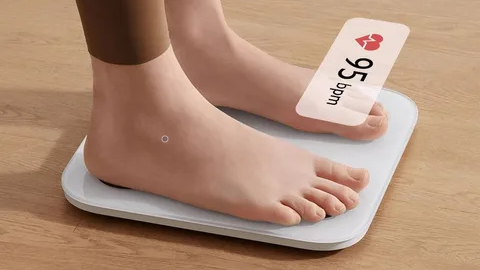
The technology within our homes continues to evolve, and presently, smart scales are taking the spotlight. Once simple devices used to measure weight, they have transformed into sophisticated health tracking tools capable of providing users with comprehensive data about their body composition. This increasing capability is expected to propel the market value of smart scales significantly within the next four years.
Emerging market research suggests a promising growth trajectory for the smart scale industry, with expectations to see an increase of over $100 million by 2028. This expansion, as predicted by market analysts, could see an annual growth rate of approximately 5.22%. The surge is attributed to a growing consumer base that is more informed and conscientious about their health, keen on tracking metrics that give a deeper insight into their overall well-being.
Smart scales are now being equipped with the technology to measure and monitor body composition, among other health indicators, offering a more holistic view than mere body weight readings. The innovation in this sector is not solely driven by health and fitness companies; technology brands traditionally recognized for their broader range of smart products are also significant contributors. This includes established names in the tech field like Xiaomi, Anker, and Huawei.
Despite the potential for market growth, smart scales face competition from other technology devices, particularly those that offer greater portability—like the cutting-edge wearable technologies from various brands. These alternatives offer similar health monitoring capabilities, challenging the homebound nature of smart scales.
Consumers looking to invest in their health through the purchase of smart scales can find products from brands like Withings and Garmin readily available, providing an opportunity to take control of their health metrics in the comfort of their homes.
The evolution of the smart scale market is a reflection of the continuous advancement in home health technologies, offering users a multiplicity of options for tracking and managing their wellness. As the industry grows and consumers become more health-conscious, smart scales may become an integral part of the everyday health management routine, balancing the competition from the ever-expandable wearable technology market.