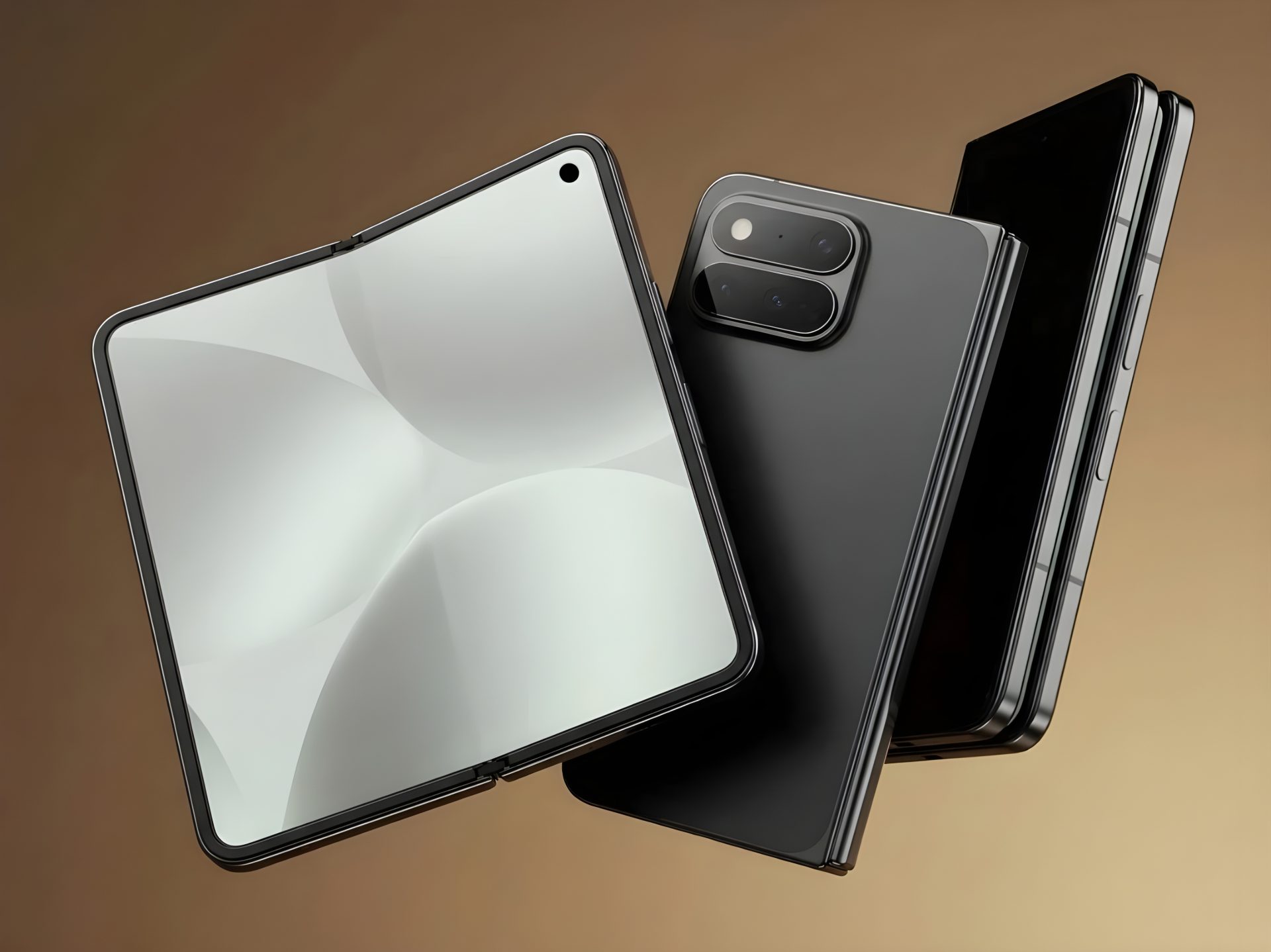
Optimism is supposed to power progress. But for many Pixel fans, that optimism feels harder to hold onto every year—especially after the latest CAD-based renders of the Google Pixel 11 Pro Fold surfaced. Based on what these early images suggest, Google’s next foldable may stick closely to a design approach that’s already starting to feel dated in a market where rivals are pushing thinner builds, cleaner lines, and more modern displays.
The newly revealed renders show a device that looks noticeably chunky, with large bezels that make the front design feel behind the times. Foldables have moved fast in the past few years, and consumers increasingly expect slimmer frames, more immersive screens, and refined hardware that looks premium both folded and unfolded. These renders, however, point to a Pixel foldable that may struggle to match those expectations at first glance.
Dimensions mentioned alongside the renders indicate the Pixel 11 Pro Fold could measure around 10.1mm thick when folded and 4.8mm when unfolded. That’s an improvement over the previous model’s reported 10.8mm and 5.2mm figures, but it still leaves Google trailing the thin-and-light trend now defining high-end foldables. The gap is especially noticeable as competitors continue to shave millimeters off their devices and make the “book-style” form factor feel more like a standard phone when closed.
There is at least one visual change that should be easier for people to appreciate: the LED flash appears to be integrated within the glass area around the rear camera bump, which could make that camera section look less awkward and less intrusive. It’s the kind of small refinement that helps a phone look more deliberate and less cluttered.
But any goodwill from that tweak may be quickly undone for some buyers by what the renders suggest elsewhere—particularly the thick bezels. In 2026, big screen borders on a premium foldable can come off as a low-effort decision, especially when users are paying for an expansive display experience. And while the foldable industry is increasingly focused on minimizing the visibility of the center crease, these early details don’t inspire confidence that Google is making a major push in that direction.
If the Pixel 11 Pro Fold ends up resembling these renders, Google may once again lean heavily on software to carry the product. That could mean smarter AI features, stronger camera processing, and helpful Pixel-exclusive tools that make daily use more convenient. Those strengths have historically been the Pixel brand’s advantage, and they may be what convinces some shoppers to look past hardware design criticisms.
Still, foldables are no longer just experimental showpieces—they’re becoming a true premium category where industrial design matters as much as software polish. If Google wants the Pixel Fold line to compete on equal footing, many fans will be hoping the final version delivers more than minor refinements and instead brings the kind of modern, streamlined hardware that the rest of the market is rapidly normalizing.