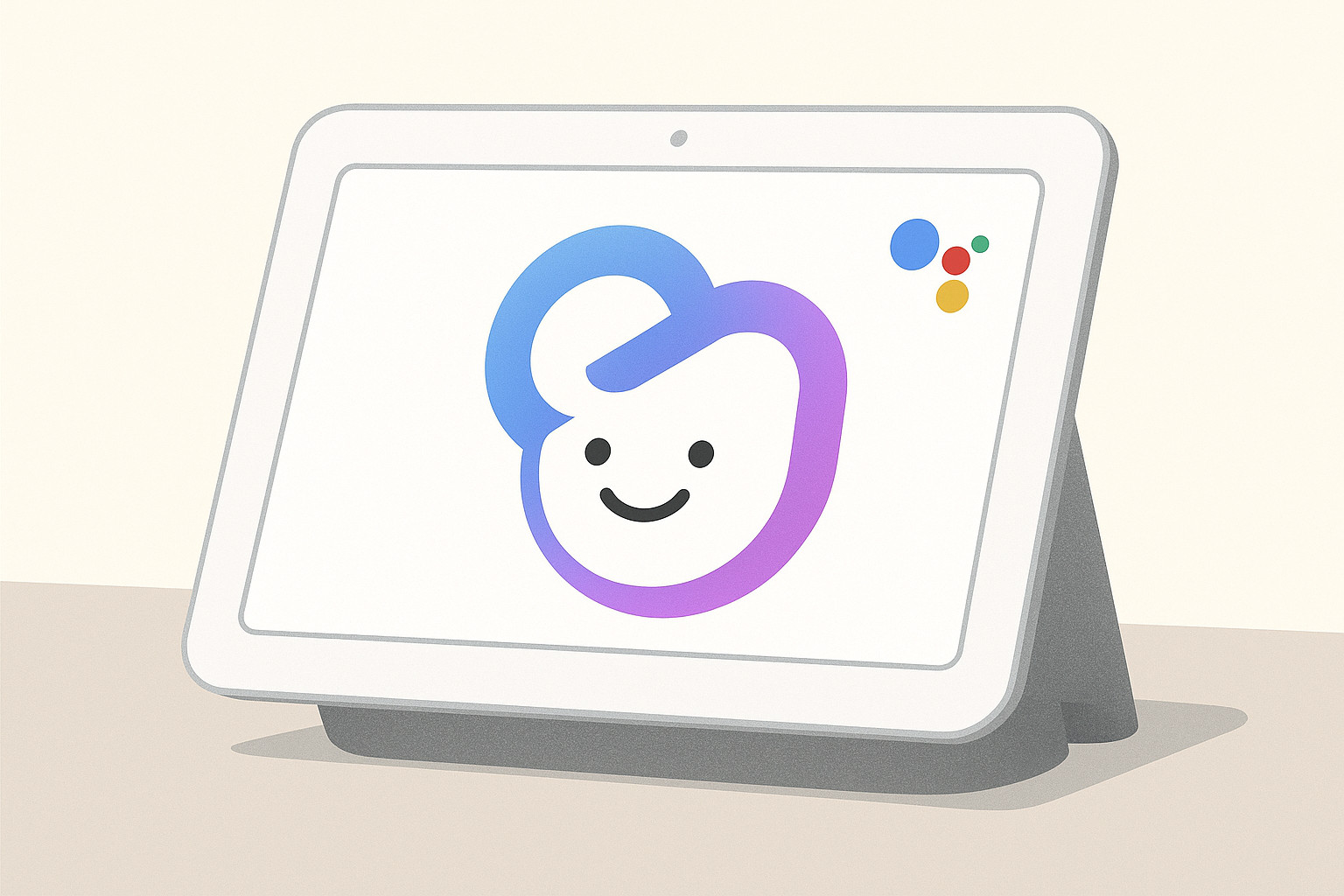
Google’s next big step in the smart home is here: Gemini for Home. Built on the most powerful Gemini models, the new assistant is designed to eventually replace Google Assistant on Nest speakers and displays, taking voice control beyond simple commands to natural, nuanced conversations.
What’s new and why it matters
– Smarter conversations: Gemini for Home adds advanced reasoning, inference, and search capabilities. It can understand context better, handle follow‑up questions, and offer more helpful responses.
– Multi-step commands in one go: Issue compound requests like “Dim the lights and set the temp to 72 degrees,” and the assistant will handle both actions without needing separate prompts.
– Cross-service answers: Expect responses that pull from multiple services or apps, so you get more complete answers without bouncing between skills or routines.
– Gemini Live: After the prompt “Hey Google, let’s chat,” you can continue the conversation naturally without repeating the wake word, making back-and-forth dialogue feel more human.
Big-picture context
Gemini for Home arrives as smart speakers and displays evolve from reactive tools to proactive helpers. It fills a long-standing gap in Google’s smart home lineup by focusing on reasoning, context, and multi-action control—areas where users have wanted assistants to feel less rigid and more conversational. It also lands in a market where rival offerings are pushing premium, more intelligent voice experiences, underscoring a broader shift toward AI-first smart homes.
Pricing, security, and other open questions
– Tiers: Google has signaled both free and paid options, but specifics on premium features, regional availability, and device support are still to come.
– Rollout: Expect a staggered release beginning in October 2025. A phased approach suggests careful testing, gradual feature unlocks, and potential region-by-region availability.
– Safety and privacy: Deeper integration with sensitive devices—like locks, cameras, and heating systems—raises the bar for security and data protection. Users should look for clear controls, transparent data policies, and robust authentication before enabling advanced features.
What to expect next
A fall launch window aligns with the possibility of new Nest hardware, alongside software updates that bring Gemini for Home to existing speakers and smart displays over time. As AI-driven assistants become more capable, choosing the right setup will come down to practical fit.
Tips before you switch
– Confirm compatibility for your Nest speakers, displays, and critical devices like locks and thermostats.
– Review privacy and data controls, especially for features that access cameras, location, or voice history.
– Compare the free and paid tiers once details are announced to decide whether premium features add real value to your daily routines.
– Test common, real-world commands you use every day—lighting scenes, climate control, reminders, media—to see how well Gemini for Home handles multi-step and follow‑up interactions.
Bottom line
Gemini for Home signals one of the biggest shifts in Google’s smart home strategy: moving from simple voice commands to a truly conversational, proactive assistant. With advanced reasoning, multi-step control, and a more natural dialogue model, it aims to make your smart home feel less like a collection of devices—and more like a single, helpful system.