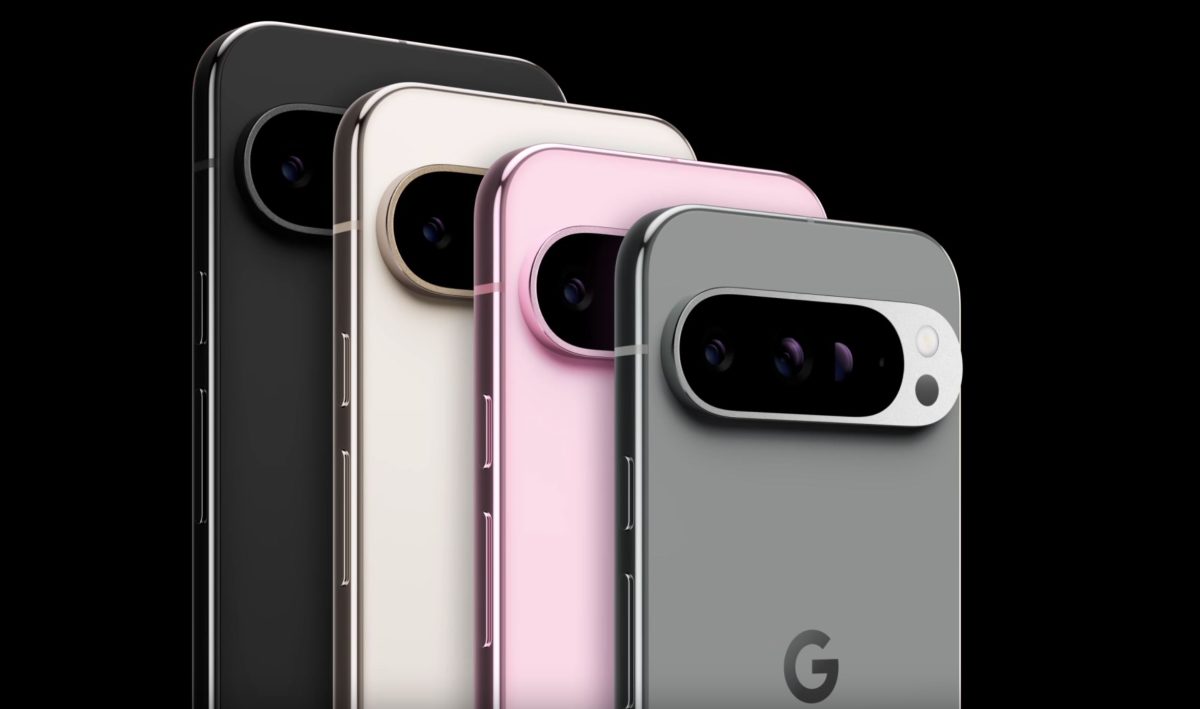
In the competitive world of smartphones, two tech giants, Samsung and Google, have been long-standing partners despite being rivals in the market. This relationship was highlighted during a recent Made by Google event where advanced features tailored for Galaxy phones were showcased. However, in the race to dominate the smartphone market share, Google is yet to break into the top five global brands. This scenario has led Google executives to unveil intriguing data about the origins of Pixel smartphone owners.
Contrary to popular belief, Samsung Galaxy phone users are not the primary source for new Pixel owners. This revelation comes from a comprehensive interview with Rick Osterloh, Senior Vice President of Devices and Services at Google. Answering a question posed on the consumer transition patterns, Osterloh underscored that the majority of Pixel users are not defectors from Samsung’s large user base. Instead, they are mostly converts from Apple’s ecosystem or individuals re-entering the smartphone scene.
Google’s focus appears to be on increasing the Android market share, fostering heightened competitiveness and innovation to solve user problems across all tiers. The tech giant is evidently paying special attention to the premium segment of the market. The pursuit of such goals coincides with the rising trend of Pixel phones in Japan, which has seen native brands like Kyocera exit the smartphone space. In the U.S., the withdrawal of LG has similarly opened avenues for Google’s expansion.
Targeted marketing efforts seem to account for some of the migration from iPhone users to Pixel devices. Google has tactically crafted trade-in deals aimed at offering a smooth transition for these users.
To enhance the appeal of Google Pixel phones, the company is concentrating on refining its offerings and user experience. One of the key strategies is the integration of a TSMC chip slated for 2025, which promises to deliver more compelling features and superior performance. The introduction of such technology may very well attract an even broader demographic of smartphone users to Google’s Pixel lineup.
As Google continues to innovate and refine its Pixel phones, the dynamic of user transition remains a fascinating topic. Tech enthusiasts and consumers alike will be watching closely to see how these strategies will shape the future of smartphone loyalty and market dynamics.