A new Google operating system leak is drawing attention because it looks like a serious step toward an Android-based alternative to Windows and macOS. Referred to as “Aluminium OS,” this software appears to be far along in development, with evidence pointing to a functional internal build already being tested on Android 16. If accurate, it signals that Google may be preparing to take desktop computing more seriously than ever—especially for laptops and productivity-focused devices.
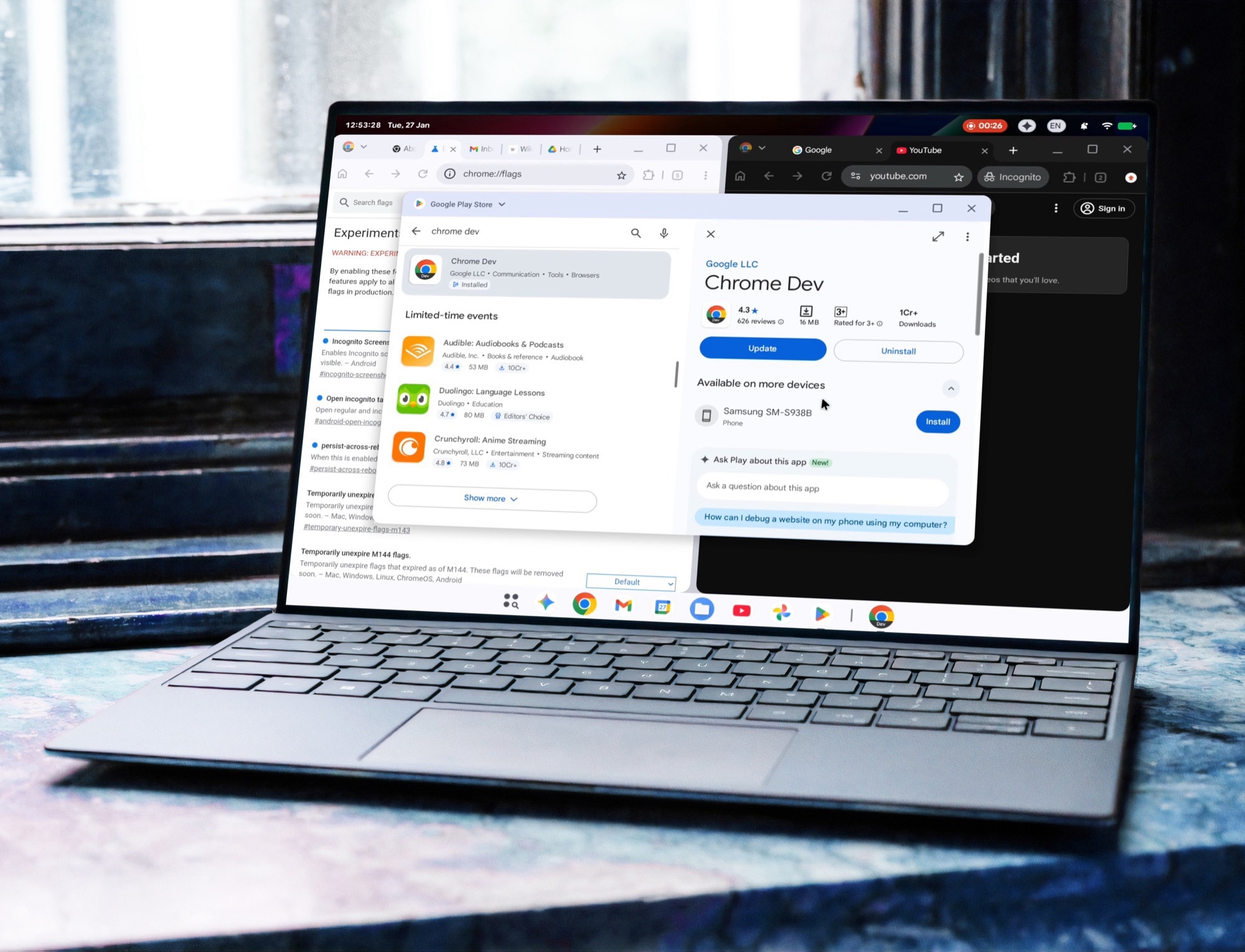
What stands out right away is how “desktop-like” the experience is shaping up to be. The leaked interface shows a version of Google Chrome that differs from what people are used to on Android. Instead of feeling like a mobile browser stretched onto a bigger screen, this build includes a dedicated extensions button placed next to the address bar—one of the clearest signs that Google is aiming for a full desktop browsing workflow. For many users, Chrome extensions are a must-have for work, school, and productivity, and bringing that experience front and center could be a major selling point.
Window management also looks designed for real multitasking. Rather than relying on limited split-screen tools, Aluminium OS reportedly uses a setup similar to what users know from modern desktop platforms and Google’s own laptop software. Windows include familiar controls to minimize, maximize, and close, positioned in the upper-right corner. The app name appears in the upper-left, reinforcing the “PC-style” layout people expect when they’re working with multiple apps and documents.
Even more important, windows aren’t locked into a rigid layout. They can be freely moved around the screen, resized as needed, or arranged into a full-screen layout depending on the task. That kind of flexibility is what separates a true desktop operating system from a tablet interface, and it suggests Google wants Aluminium OS to feel natural for anyone coming from Windows laptops or MacBooks.
While there’s no confirmed launch date yet, the fact that Google is already testing a usable version internally—apparently built on Android 16—suggests momentum is building behind the scenes. That timing matters, because a platform at this stage is typically beyond the “concept” phase and closer to a release-ready direction.
Perhaps the biggest rumor surrounding Aluminium OS is its potential role in Google’s laptop ecosystem. The new operating system is expected to replace Chrome OS on Chromebooks, which would be a major shift. If Google does move from Chrome OS to an Android-based desktop platform, it could simplify development across phones, tablets, and laptops while giving users a more unified experience—especially for apps, updates, and long-term software support.
The biggest unanswered question is whether Aluminium OS can help Google capture more desktop market share from Apple and Microsoft. Windows and macOS remain deeply entrenched, particularly in professional environments. But if Google delivers strong performance, polished windowing, and a desktop Chrome experience with extensions at its core, Aluminium OS could become a compelling choice for users who want a lightweight, cloud-friendly system without giving up traditional multitasking.
For now, it’s a waiting game. But with Android 16 reportedly at the foundation and a functional build already in testing, Aluminium OS is starting to look less like a rumor and more like Google’s next big move in desktop computing.