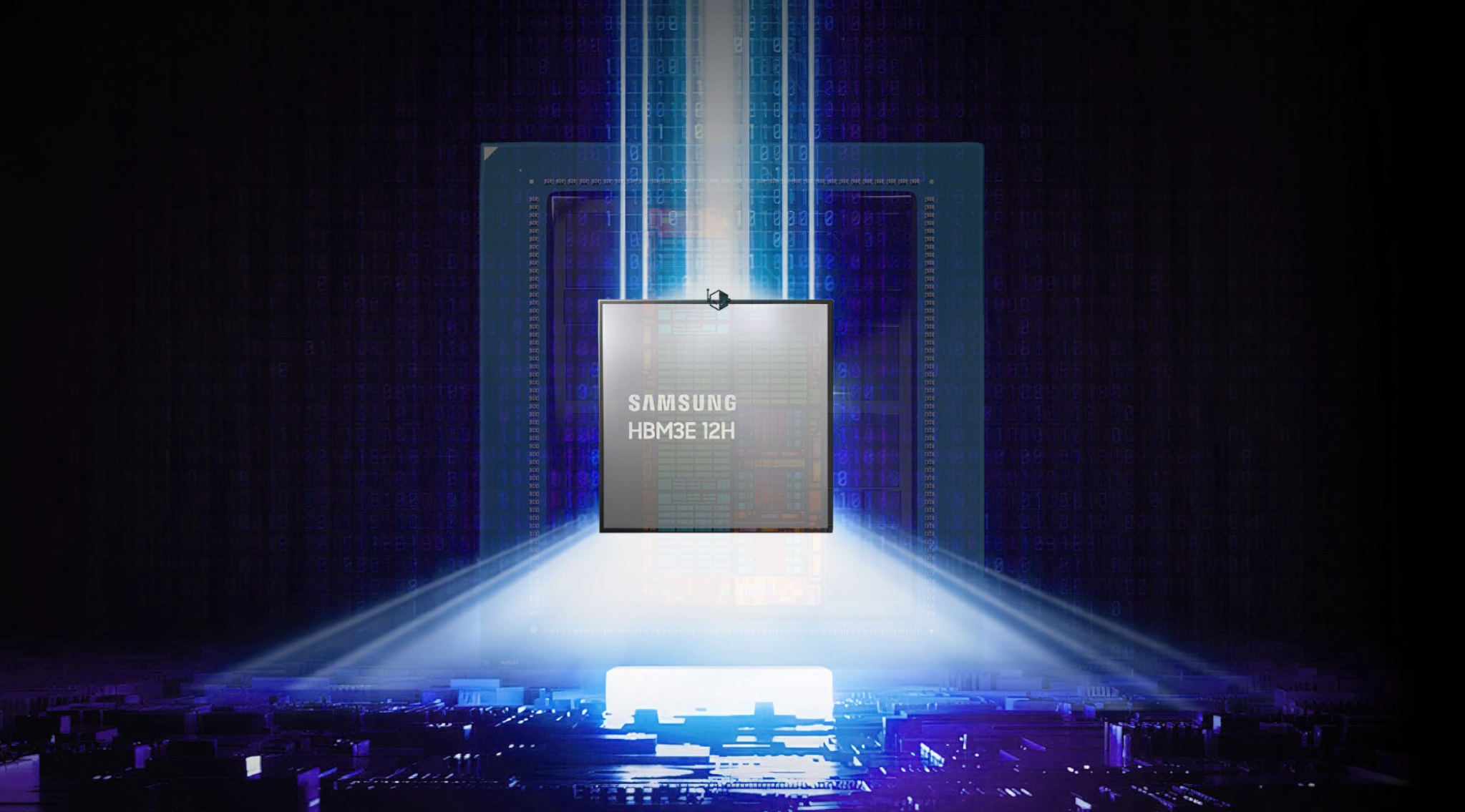
Samsung’s endeavor into the high-bandwidth memory (HBM3E) market is enduring a turbulent phase, as it struggles to reel in new clients while watching existing customers slip away. The tech behemoth is grappling with a series of setbacks, unable to break through to secure a coveted spot in NVIDIA’s supply chain, which is seen as a benchmark of success in the semiconductor world.
Despite its efforts over several quarters, Samsung’s struggle to pass NVIDIA’s rigorous qualification tests seems to have resulted in dwindling enthusiasm from current partners. Reports suggest industry stalwarts like Google are steering their HBM3E demands away from Samsung due to the firm’s failure to meet the industry’s high standards. Instead, companies are shifting their allegiance toward rivals such as Micron, which has carved out a stature of reliability and quality in the HBM sector.
Samsung’s late entry into the HBM space set the stage for tough competition from established players like SK hynix and Micron, who had already cultivated strong relationships with major partners. An opportunity seemed to present itself when it was rumored that NVIDIA had expressed interest in incorporating Samsung into its supply chain. However, current developments cast shadows over that possibility, dimming prospects of collaboration.
Google, initially one of Samsung’s patrons for HBM3E, had been using these components in its custom AI chips, the TPUs. However, Google has communicated changes to its manufacturing partner, MediaTek, to swap Samsung’s HBM3E with Micron’s offerings. Micron, with robust partnerships and reputed reliability, is emerging as a dominant force in the HBM supply chain, securing agreements with prominent high-tech firms, including NVIDIA.
Earlier inklings of hope emerged for Samsung when NVIDIA appeared keen on using Samsung’s technology for AI chips tailored to the Chinese market, like the H20 AI GPU. However, the imposition of export restrictions has further narrowed the chances of Samsung making inroads into NVIDIA’s ecosystem. In an ironic twist, Samsung’s former stronghold in HBM processes, like HBM2 and HBM2E, is now being encroached upon by burgeoning Chinese alternatives, placing the Korean giant’s future in this niche on unsteady ground.
In the coming months, Samsung will need to revamp its strategies, innovate its technological capabilities, and regain its competitive edge to reclaim its footing within the high-bandwidth memory space. The stakes are undeniably high, and it remains to be seen how this tech giant navigates the turbulent waters of the semiconductor market.