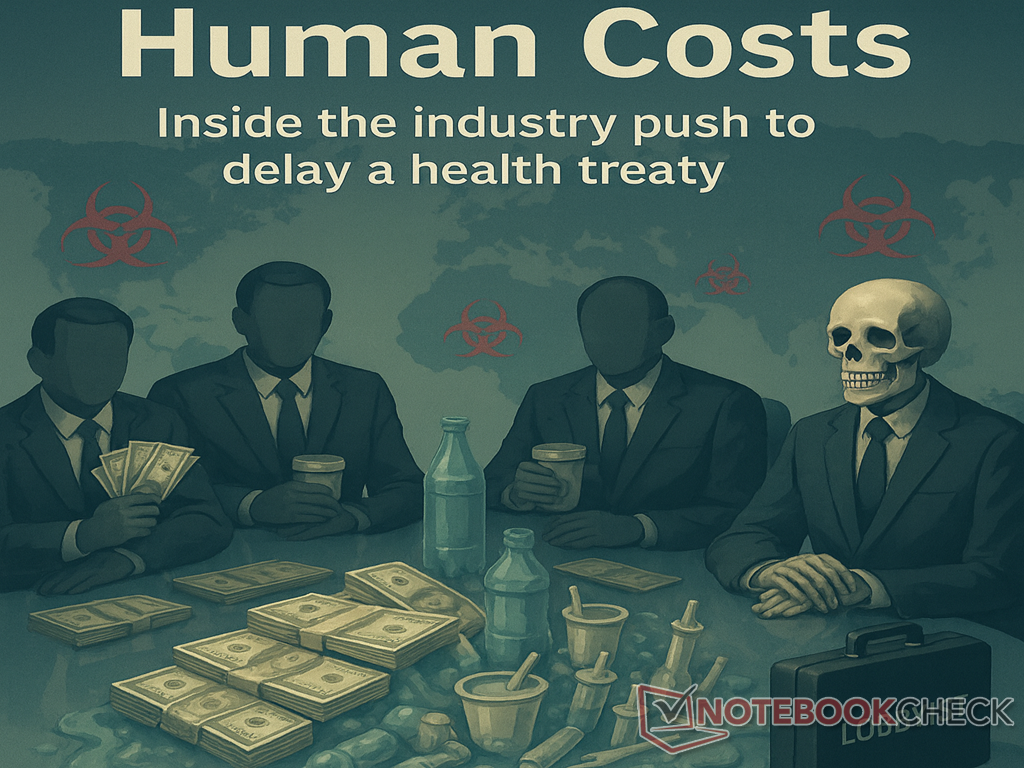
A growing wave of medical research is raising alarms about the dangers of plastics, revealing that these common materials release harmful chemicals such as phthalates, bisphenols, and PFAS. These substances are linked to serious health issues, disrupting hormones, affecting metabolism, impairing fertility, and hindering neurological development. In a striking assessment, the Minderoo-Monaco Commission estimates the health-related costs of plastic pollution at a staggering $15 trillion, highlighting the long-term disease and generational toxicity burdens. Scientists are warning that current exposure levels, particularly among children and vulnerable groups, are intolerable.
In response, the United Nations is in the process of crafting a Global Plastics Treaty aimed at mitigating these risks. This treaty seeks to impose direct production limits and enforce international bans on toxic compounds. Public health experts, medical associations, and NGOs are urging for swift and enforceable actions, cautioning that the health crisis is advancing more rapidly than environmental regulators can handle. They emphasize that recycling alone is insufficient and that significant reductions in plastic production are crucial.
Despite this consensus in the medical community, resistance persists from corporate lobbyists tied to the petrochemical and packaging industries. Organizations, including the American Chemistry Council, are pushing for voluntary agreements and are advocating unproven solutions such as chemical recycling, which risks delaying effective measures. Without strict enforcement, the treaty may fall short, resulting in ongoing health repercussions from inaction.