Fairphone 6 vs Gigaset GS6 Pro: Transparency, repairability, and German-made value compared
The Fairphone 6 and Gigaset GS6 Pro appeal to a similar type of buyer: someone who wants a smartphone that feels more responsible, longer-lasting, and less disposable than the average device. Both phones take a different path toward that goal, and the biggest difference comes down to transparency, repairability, and where the value is created.
The Fairphone 6 stands out strongly when it comes to openness. Fairphone has built its reputation around clearer supply chain communication, responsible sourcing, and the use of recycled materials. For buyers who care about where their phone comes from and how it is made, that level of disclosure can be a major selling point.
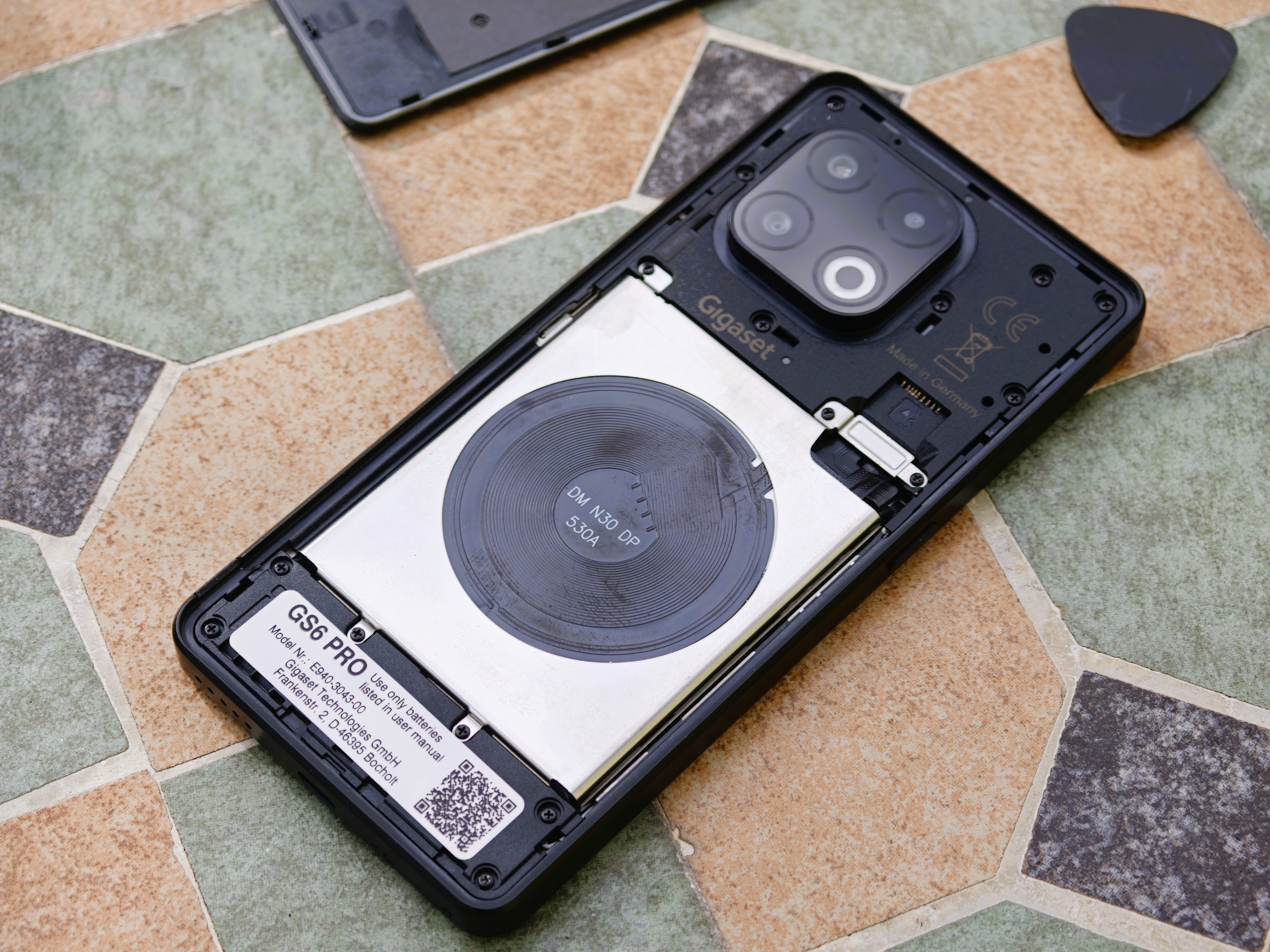
The Gigaset GS6 Pro, on the other hand, focuses more on its German connection. For users who value production and value creation in Germany, that may be an attractive point. However, when compared directly with Fairphone’s approach, Gigaset is less transparent about its supply chain and material sourcing. That makes it harder for environmentally conscious buyers to judge how sustainable the device really is beyond its regional manufacturing appeal.
Repairability is another area where the Fairphone 6 has a clear advantage. The phone is designed with modular components, meaning several key parts can be replaced individually. Users can swap out components such as the display, camera module, or charging port without needing to replace the entire device. This makes the Fairphone 6 especially appealing for people who want to keep their smartphone for many years instead of upgrading frequently.
The Gigaset GS6 Pro does not offer the same level of modular design. While it may still be a solid smartphone, it cannot match the Fairphone 6’s user-friendly repair concept. For anyone who prioritizes easy repairs, lower long-term costs, and reduced electronic waste, Fairphone’s modular structure is a major benefit.
Performance and battery life are also important factors in this comparison. Both phones may attract attention for their sustainability angle, but everyday usability still matters. Display brightness, color accuracy, speed, software experience, and battery endurance all play a role in determining which phone is the better choice for daily use.
In the end, the choice between the Fairphone 6 and the Gigaset GS6 Pro depends on what matters most to the buyer. If you want a smartphone with strong repairability, transparent sourcing, and a clear sustainability message, the Fairphone 6 is the more convincing option. If your priority is supporting value creation in Germany and choosing a device with a local manufacturing focus, the Gigaset GS6 Pro may still be worth considering.
Both smartphones target users who want something different from mainstream devices. But when it comes to openness and modular repair, the Fairphone 6 currently has the stronger story.