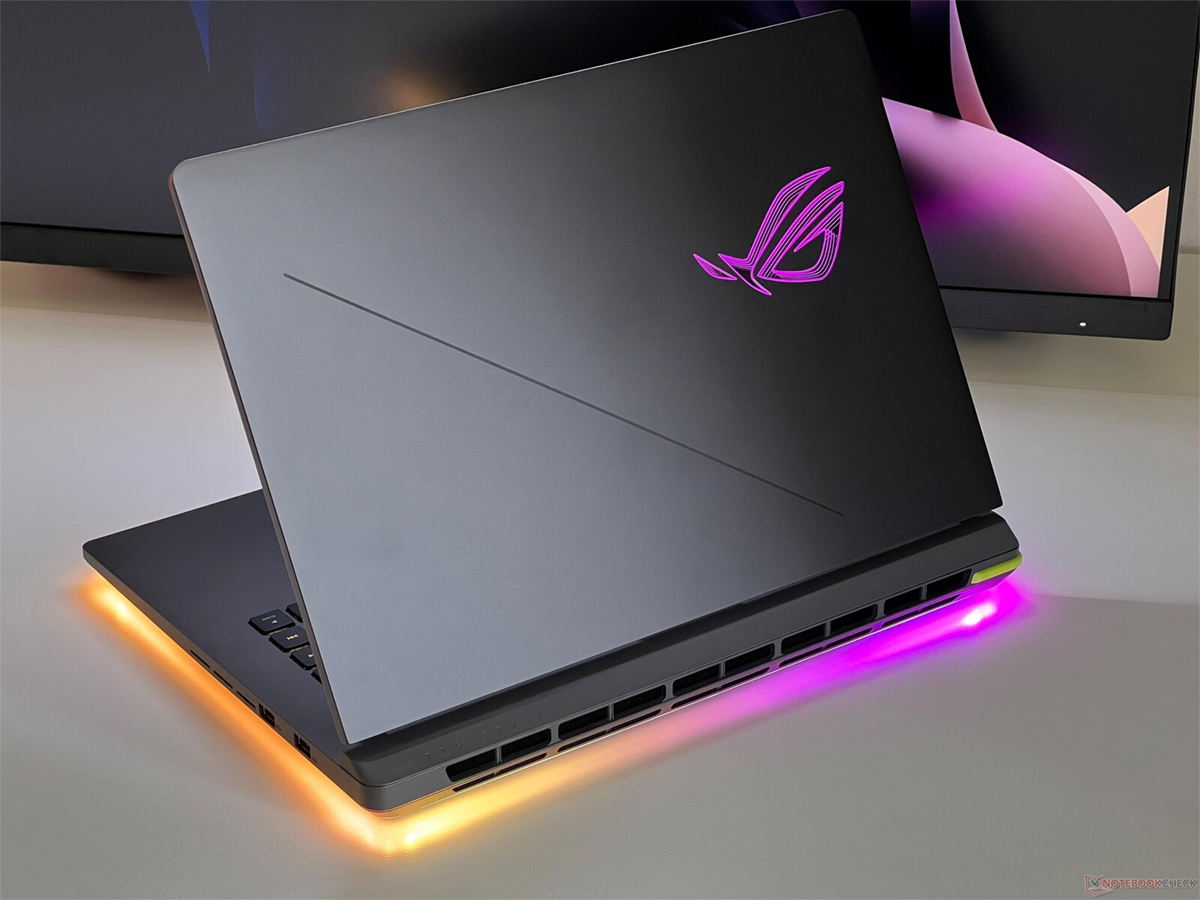
Asus and Acer have temporarily stopped selling certain laptops and desktop PCs directly to customers in Germany after a patent decision handed down by the Munich I Regional Court. The move follows a legal dispute with Nokia over standard-essential patents connected to the H.265 video codec, also known as HEVC, a widely used standard for video compression and playback.
According to the court’s findings, the two PC makers were not considered “willing licensees” under the FRAND framework, which stands for fair, reasonable, and non-discriminatory licensing terms. Because of that determination, the court granted injunctive relief, effectively forcing a pause on direct sales of the affected devices within the country.
Acer confirmed that it has suspended direct sales of impacted products in Germany for now, while it reviews legal options and looks for a path to resolution. The company added that products not covered by the injunction remain available through its official store. Asus has not released a formal statement, but its German online store has displayed a notice indicating the site is offline for “service enhancements,” which comes as the ruling takes effect.
Importantly for shoppers, the injunction targets the manufacturers’ direct sales activity, not third-party retailers. That means German retailers can continue selling existing stock already in their warehouses. However, if the situation continues and direct shipments remain paused, replenishing inventory could become difficult—potentially leading to fewer options, delayed restocks, or price shifts for popular Asus and Acer laptops and desktop PCs over time.
This type of outcome isn’t new in Germany’s tech market. Similar patent disputes involving Nokia have previously resulted in sales restrictions or product changes. In past cases, companies have faced bans and then responded by altering products, changing sales strategies, or reaching licensing agreements to restore normal availability.
After the ruling, Nokia said it is seeking fair compensation for the use of its technology and signaled it remains open to continued negotiations with both Asus and Acer. Nokia also noted that Hisense has taken a license in related proceedings, underscoring that the company expects device makers using HEVC-related technology to secure appropriate licensing under standard-essential patent rules.
For German consumers, the key takeaway is that third-party availability may continue in the near term, but direct-from-manufacturer purchases of certain Asus and Acer models are currently disrupted while the legal and licensing situation plays out.