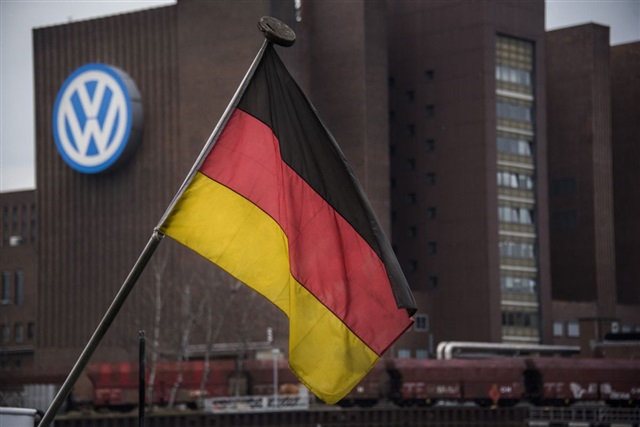
The global automotive industry is bracing for potential shifts as Donald Trump prepares for a return to the White House. While many might assume that Trump’s policies would primarily impact China’s burgeoning automakers, it’s actually Germany’s automotive titans—Volkswagen, Mercedes-Benz, and BMW—that could face the most significant hurdles.
These iconic brands, synonymous with engineering excellence and luxury, have established strong footholds in the American market. However, potential policy changes under Trump’s leadership might present unforeseen challenges. Historically, Trump’s stance on trade and international relations has been assertive, often prioritizing American interests. Such policies could complicate the business landscape for these German automakers, who rely heavily on the US as a primary export destination.
Given the previous administration’s focus on tariffs and stringent import regulations, there could be repercussions for these brands’ supply chains and pricing strategies. Moreover, they might have to navigate shifts in consumer preferences, particularly if policies lean towards promoting domestic automotive brands or enhancing environmental regulations that could impact the German focus on traditional combustion engines.
Despite these possible challenges, Volkswagen, Mercedes-Benz, and BMW are not without their strengths. These companies have a track record of innovation and adaptability. They might leverage these attributes to pivot their strategies in response to any policy changes, ensuring they retain their competitive edge in a dynamic market.
The coming months will be pivotal for these German giants as they monitor the developments in US policy, strategizing on how best to navigate potential changes while continuing to captivate the American consumer. The stakes are high, and the automotive industry will be keenly observing how these challenges unfold.