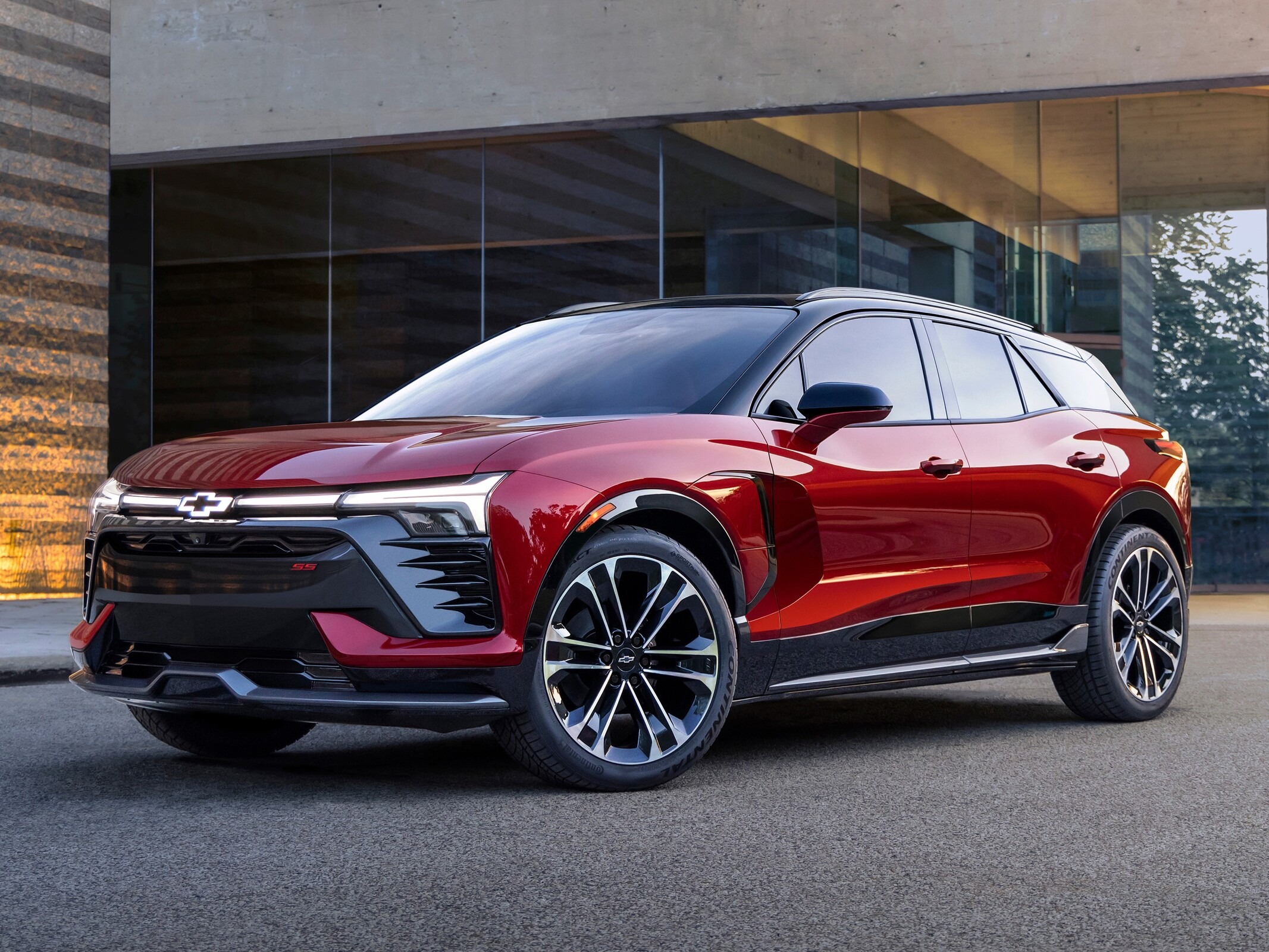
General Motors (GM) is strategically expanding its electric vehicle (EV) reach by securing a substantial battery material supply deal with LG, betting on cooperation with the South Korean giant to bolster its EV expansion strategy.
The agreement involves LG providing GM with enough battery cathode materials to produce batteries for around 5 million electric vehicles. GM aims to utilize these materials in what will be the largest cathode factory in America, located in Tennessee, with volume production scheduled to begin in 2026. This deal is part of GM’s comprehensive approach to managing its EV battery supply chain, which spans from securing raw materials to assembling finished battery packs.
In addition to the collaboration with LG, GM’s CEO Mary Barra visited Samsung’s headquarters to discuss partnerships. GM has a standing agreement with Samsung’s SDI division to establish a 30 GWh battery plant in Indiana, which is also set to commence operations in 2026. These aggressive moves highlight GM’s commitment to securing a strong partnership with Korean companies for its battery supply.
The relationship with LG and Samsung extends beyond batteries. LG is known for its leadership in automotive OLED displays, as seen in high-end products like Mercedes’ Hyperscreen. Samsung is also focusing on this sector as a key growth area and is emerging as a major provider of sensors for autonomous vehicles. GM’s recent discussions with Samsung reportedly covered not only batteries and displays but also cameras and sensors, as Samsung evolves into a significant player in the autonomous driving segment.
Such deals underscore GM’s goal to source critical components and raw materials for its EVs from Korea rather than China, potentially positioning the company to meet the qualifications for full United States federal subsidies. This approach mirrors the strategies of other carmakers, like Tesla, which promotes its vehicles’ affordability by incorporating federal tax credits into their pricing.
As the EV marketplace continues to grow and evolve, collaborations between automakers and technology firms remain crucial for developing the electric vehicles of the future. General Motors’ partnerships demonstrate the company’s ambition to lead in the rapidly advancing automotive sector, positioning itself favorably within the competitive landscape of EV production and innovation.