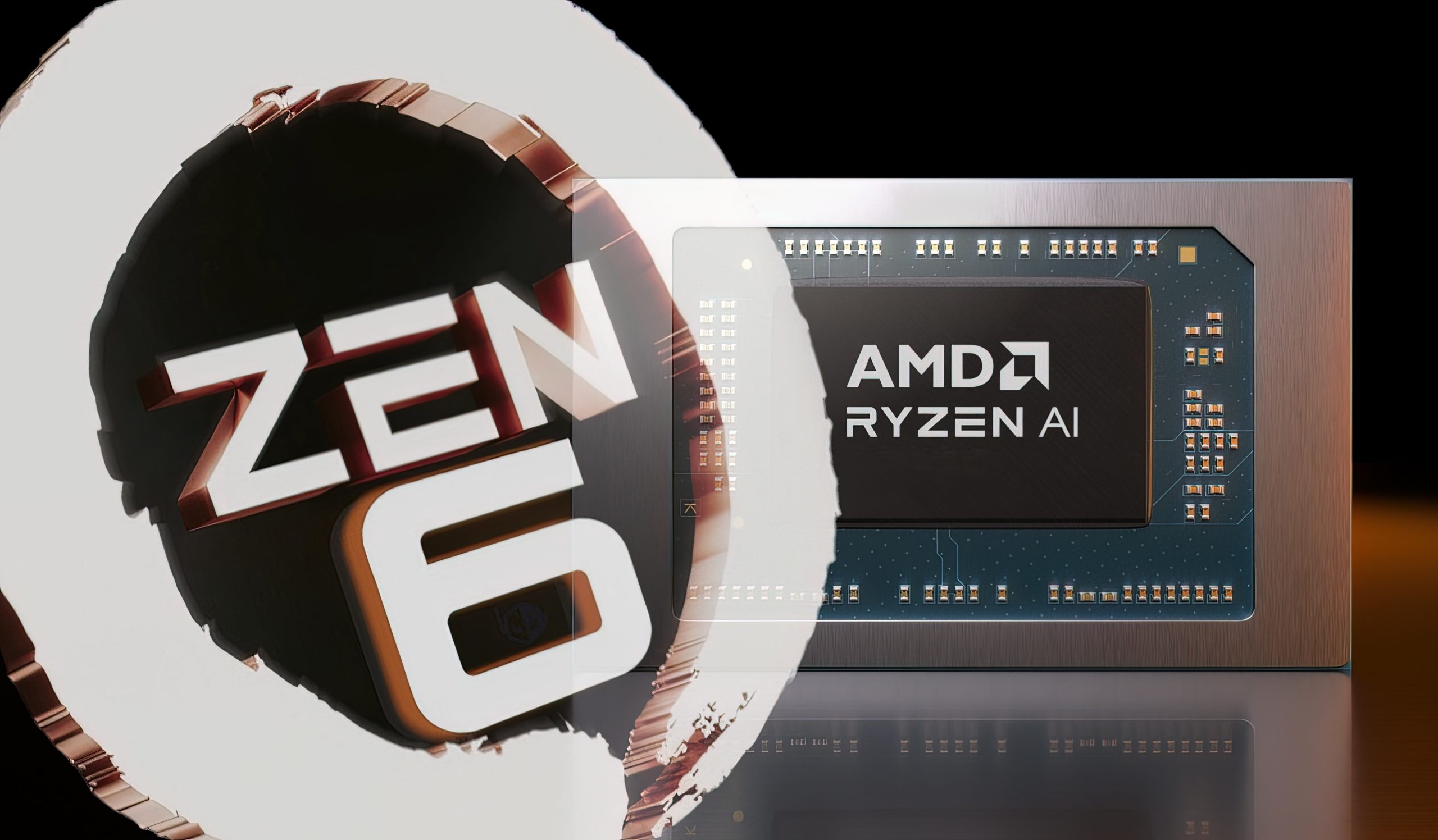
AMD is quietly laying important groundwork for its next-generation Zen 6 CPU architecture, and it starts with the software that turns code into real-world performance. One of the biggest recent steps is that early Zen 6 support has now been added to GCC 16, a widely used open-source compiler toolchain that many developers and Linux distributions rely on.
GCC, short for GNU Compiler Collection, plays a crucial role in how applications are built. When GCC includes support for a specific processor family, it can generate optimized machine code tailored to that CPU’s capabilities. In practical terms, that can mean better performance, improved efficiency, and fewer compatibility headaches once new processors arrive.
The initial “Znver6” GCC patch from AMD has now been merged into the main GCC source tree. This means Zen 6 support is set to ship by default in GCC 16.1, which is currently expected to arrive around March to April 2026. That timing matters because Zen 6 is anticipated to power both mainstream Ryzen processors and EPYC server chips later in 2026. By getting compiler recognition in place ahead of launch, AMD is helping ensure the broader software ecosystem is ready when the hardware becomes available.
This kind of early compiler integration is beneficial for developers and end users alike. Developers can begin compiling and testing software with Zen 6-specific targeting earlier, while operating systems and performance-sensitive applications can be better positioned to take advantage of the new architecture on day one. It also reduces the chances that new CPUs arrive before the software world is prepared to use them effectively.
It’s worth noting that this is still an early stage. While the “Znver6” addition establishes baseline support, GCC 16 does not yet include every performance-tuning optimization specific to Zen 6. Those refinements typically arrive over time in follow-up patches as more details are finalized and the toolchain matures.
Even so, getting Zen 6 support merged this early is a strong sign of momentum. It’s the kind of behind-the-scenes progress that can make a noticeable difference later—helping Zen 6 systems deliver better performance and smoother software compatibility as the platform rolls out.