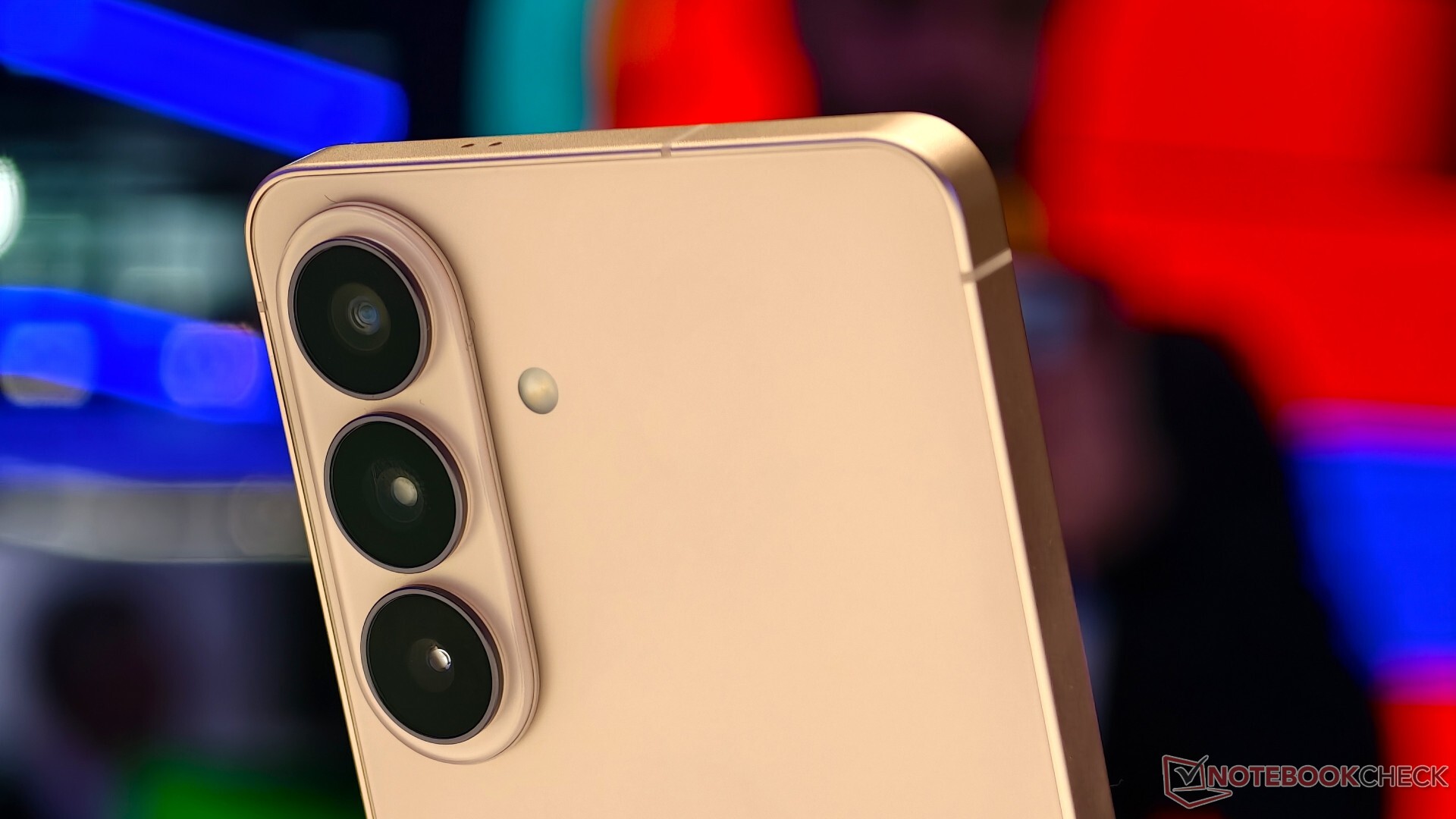
Samsung Galaxy S27 Ultra Camera Leak Points to a Major Telephoto Change
Samsung’s next major flagship lineup could bring a notable camera shake-up, especially for users waiting for the Galaxy S27 Ultra. Fresh industry information suggests that Samsung is preparing to simplify the rear camera system across the Galaxy S27 series, with all four models expected to feature a triple-camera setup.
The biggest change may arrive on the Galaxy S27 Ultra. Instead of using a dual telephoto arrangement, Samsung is reportedly moving toward a single 5x periscope telephoto camera. This would mark a clear shift in the company’s camera strategy, focusing on fewer sensors while relying more heavily on upgraded hardware and digital zoom processing.
According to recent claims from a well-known tipster, Samsung is also expected to introduce a new 200-megapixel main camera sensor. This high-resolution primary sensor could handle a larger portion of the zoom range digitally, potentially covering zoom levels up to around a 115mm equivalent focal length before the dedicated periscope lens takes over.
The Galaxy S27 Ultra is now rumored to feature a 200-megapixel main camera, a 50-megapixel ultra-wide camera, and a 50-megapixel 5x periscope telephoto camera. On paper, that would still give Samsung’s top model a powerful and versatile camera setup, even if the total number of rear cameras is reduced.
The Galaxy S27 Pro, however, may not receive the same high-end zoom treatment. Reports suggest it will include a 200-megapixel main camera, a 50-megapixel ultra-wide camera, and a 12-megapixel 3x telephoto camera. Unlike the Ultra model, this telephoto lens is not expected to be a periscope unit.
That decision could disappoint some Samsung fans who expected the Galaxy S27 Pro to sit closer to the Ultra in terms of camera capability. A 12-megapixel 3x telephoto camera would make the Pro model feel more in line with standard premium phones rather than a true camera-focused flagship.
The reason behind Samsung’s camera restructuring appears to be cost control. Camera components have reportedly become more expensive, and reducing the number of sensors may help Samsung manage production costs more effectively. By moving to a triple-camera system across the Galaxy S27 lineup, the company could streamline manufacturing and reduce component complexity.
Still, the move may not be entirely negative for users. The 3x telephoto sensor used in some current Ultra models is relatively small, and many users may not notice its absence if Samsung’s new 200-megapixel main sensor can deliver strong digital zoom performance. The real test will be whether Samsung’s image processing can maintain sharpness, detail, and natural color at mid-range zoom levels.
For the Galaxy S27 Ultra, the rumored 5x periscope telephoto camera could remain a major selling point, especially for users who often shoot portraits, landscapes, concerts, and distant subjects. Combined with a 200-megapixel main sensor and a 50-megapixel ultra-wide camera, Samsung may still offer one of the most competitive smartphone camera systems on the market.
The Galaxy S27 Pro, meanwhile, could attract buyers who want a premium Samsung phone with a powerful main camera but do not need the advanced long-range zoom features of the Ultra. However, if the pricing gap between the Pro and Ultra is not large enough, camera-focused users may find the Ultra model much more appealing.
For now, these details should be treated as early information rather than final specifications. Samsung’s plans can still change before launch. But if the reports are accurate, the Galaxy S27 series could represent a new direction for Samsung’s flagship camera strategy: fewer cameras, stronger main sensors, and a sharper focus on cost efficiency.