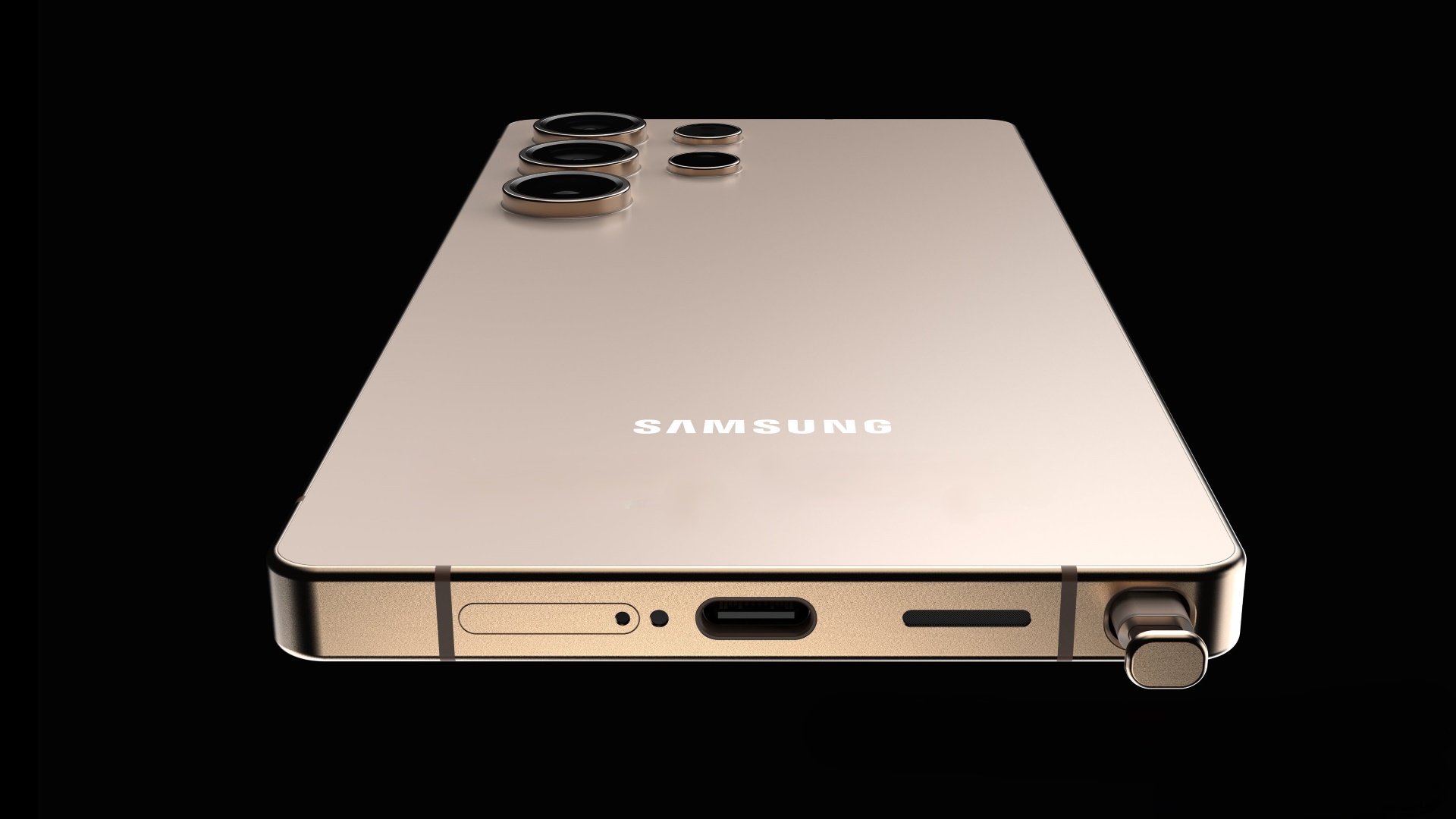
February is nearly here, and that means Samsung is preparing to unveil its next wave of flagship phones with the Galaxy S26 series. Headlining the lineup is expected to be the Galaxy S26 Ultra, Samsung’s most premium model, and early reports suggest it’s arriving with meaningful upgrades. There’s also a catch many fans have been bracing for: a price increase.
Ongoing memory supply pressures are still rippling across the industry, with DRAM shortages frequently cited and NAND flash costs also climbing. In that kind of market, even the biggest manufacturers have limited room to maneuver. As a result, the Galaxy S26 Ultra is now tipped to cost around 6 percent more than the Galaxy S25 Ultra, reflecting rising component expenses that are becoming harder to absorb.
According to a report cited by NewDaily, Samsung is expected to launch the Galaxy S26 Ultra in South Korea at an estimated price of 1.8 million won. For comparison, the base Galaxy S25 Ultra with 256GB of storage debuted at 1.69 million won. If accurate, this would position the Galaxy S26 Ultra as a noticeably pricier upgrade year over year, even before factoring in regional differences, taxes, and carrier pricing.
The idea that Samsung might simply “eat” the extra costs also seems unlikely. The company has already increased pricing in other premium product lines recently, which signals a broader strategy of passing at least some component inflation on to consumers rather than sacrificing margins.
What’s especially interesting is how Samsung may try to justify the higher Galaxy S26 Ultra price without relying purely on a predictable spec bump. With memory constraints affecting everyone, the company appears to be leaning more heavily into experiences and practical value instead of chasing raw numbers.
The report suggests Samsung will emphasize a next-generation AI experience as a major selling point for the Galaxy S26 Ultra. Alongside that, the phone is expected to feature a slightly more powerful version of the Snapdragon 8 Elite Gen 5, plus a new camera sensor. The message seems clear: rather than marketing the S26 Ultra as “more of everything,” Samsung may spotlight smarter features, better real-world photography, and AI-driven tools that feel more useful day to day.
This shift could be important in a flagship market where many shoppers are growing tired of spec-sheet competition. If the Galaxy S26 Ultra delivers AI features that genuinely improve productivity, creativity, and convenience, more buyers may be willing to pay a premium even in a price-sensitive year.
Samsung is also expected to continue a familiar strategy to boost early demand: launch promotions. Previous Galaxy Ultra releases have often been paired with freebies like earbuds, power banks, and early-order discounts, though the exact bundles typically vary by country and retailer. These incentives can soften the impact of higher pricing and help drive stronger early shipments.
That matters more than ever as Samsung looks to regain momentum in global smartphone shipments. With intense competition at the top, a well-received Galaxy S26 Ultra—especially one that feels meaningfully “new” thanks to AI and camera changes—could help bring some of that energy back and improve sell-through during the crucial launch window.
For customers considering an upgrade, the early takeaway is straightforward: expect a higher Galaxy S26 Ultra price, but also expect Samsung to focus on features that stand out beyond traditional hardware upgrades, with AI and imaging likely taking center stage.