Samsung Galaxy S26 Ultra Pulls Off Surprise Win Against Oppo Find X9 Ultra in 10x Zoom Camera Test
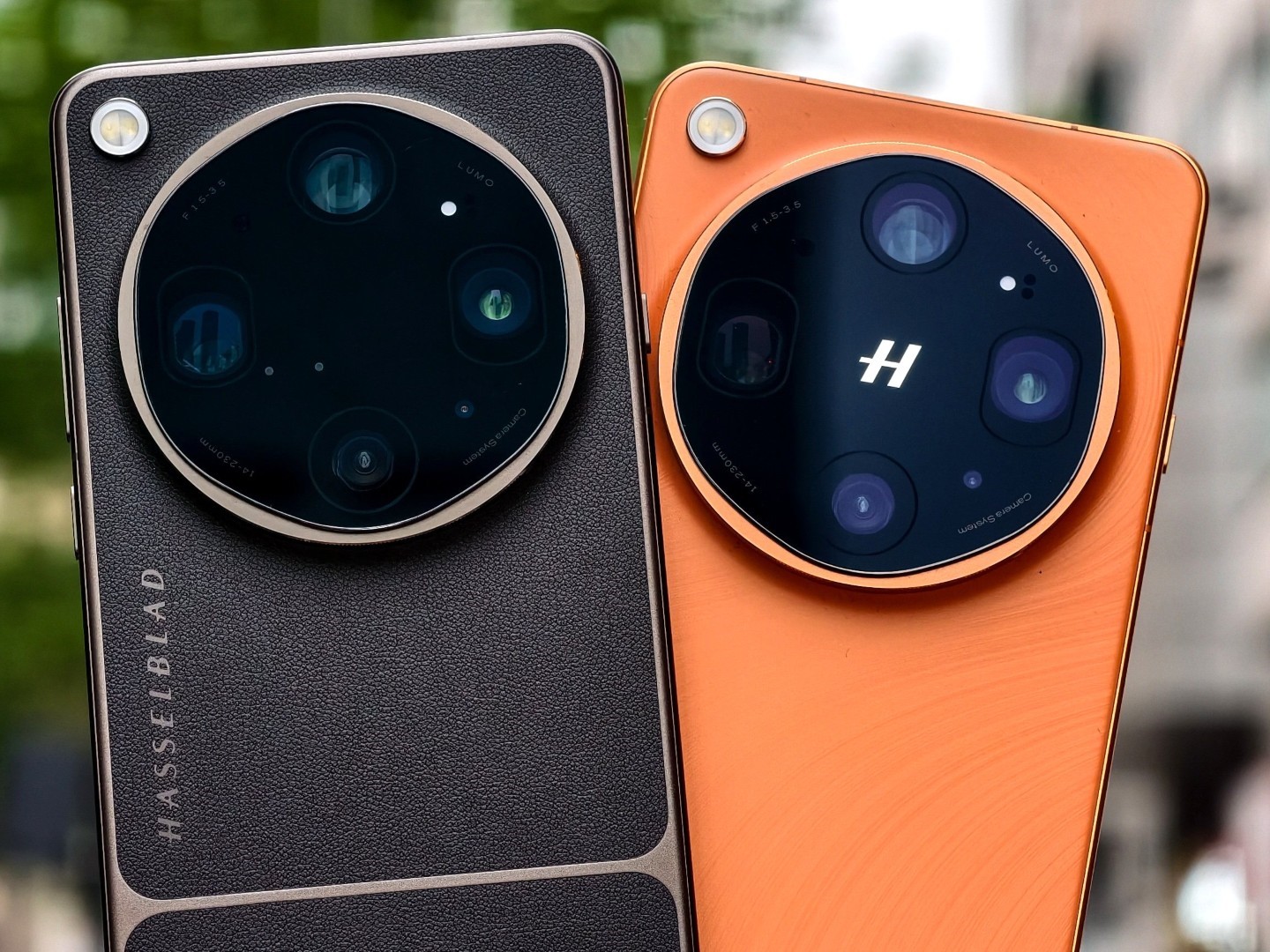
The Samsung Galaxy S26 Ultra may not have the most advanced zoom camera hardware on paper, but a recent blind camera comparison has delivered an unexpected result. In a low-light 10x zoom test, Samsung’s flagship managed to outperform the Oppo Find X9 Ultra, a phone widely regarded as one of the strongest camera smartphones currently available.
The comparison was shared through a poll on X by Wvisioncreation, where users were asked to choose the best image from four low-light 10x zoom shots without knowing which phone captured each photo. A total of 188 votes were cast, and the Galaxy S26 Ultra came out clearly ahead.
According to the poll results, the Galaxy S26 Ultra in 12 MP auto mode received 66% of the votes, making it the clear winner. The same phone in 24 MP auto mode took second place with 21% of the votes. The Oppo Find X9 Ultra in standard auto mode came third with 10%, while the Oppo Find X9 Ultra in Hasselblad mode finished last with only 7%.
What makes the result especially interesting is the difference in camera hardware. The Oppo Find X9 Ultra is equipped with a dedicated 50 MP 10x optical zoom periscope telephoto camera, using a 1/2.75-inch sensor. In comparison, the Galaxy S26 Ultra uses a 50 MP 5x periscope telephoto camera with a 1/2.52-inch sensor. To reach roughly 10x zoom, Samsung’s phone has to rely on digital cropping rather than true 10x optical zoom.
The Samsung images were captured at around 9.9x zoom, while the Oppo shots were taken at the full 10x level. Even with that small difference, the result is still surprising because the Oppo Find X9 Ultra should theoretically have the advantage thanks to its dedicated 10x optical camera.
This outcome suggests that Samsung’s image processing may be doing a lot of heavy lifting. In low-light zoom photography, hardware is important, but software tuning, noise reduction, sharpening, color handling, exposure control, and detail recovery can dramatically affect the final image. In this specific test, Samsung’s processing appears to have produced the more appealing result for most voters.
Still, this does not mean Samsung has fully caught up in camera hardware. Many smartphone enthusiasts believe Samsung has been too cautious with camera upgrades in recent Ultra models, especially compared with Chinese flagship phones that continue to push larger sensors, longer optical zoom ranges, and more ambitious imaging systems.
The Galaxy S26 Ultra winning a blind 10x zoom test is impressive, but it also raises an important point: strong software can help close the gap, but it should not replace meaningful hardware improvements. Samsung’s Ultra phones remain among the most popular Android flagships, and expectations are high for each new generation.
Looking ahead, the Galaxy S27 Ultra is rumored to bring camera improvements, though early reports suggest Samsung may still take a conservative approach. Whether that strategy will be enough against increasingly aggressive rivals remains to be seen.
For now, the Galaxy S26 Ultra has earned an unexpected victory in a tough zoom photography challenge. It may not have the most specialized 10x zoom camera, but in this blind low-light test, it proved that smart image processing can still deliver results that win over viewers.


