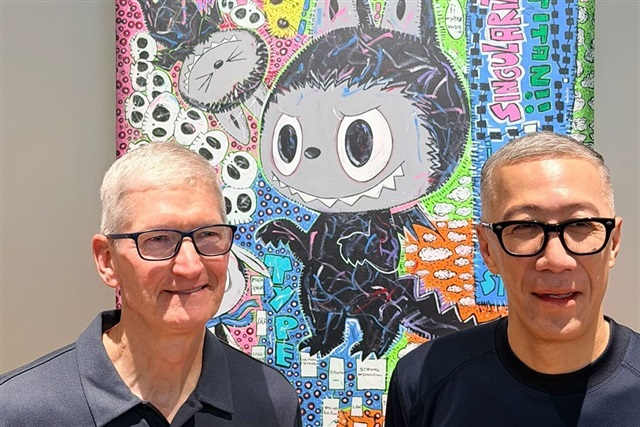
Tim Cook’s latest trip to China wasn’t just about business meetings and factory tours. The Apple CEO made waves by meeting Pop Mart founder Wang Ning and artist Kasing Lung, the creator of the wildly popular Labubu character—and receiving a custom Labubu of his own. The moment quickly stirred debate online and signaled a meaningful shift in how Apple is showing up in China.
For years, Apple’s presence in the country has been framed through the lens of manufacturing and supply chains. This visit showcased something different: a deliberate embrace of local culture and a nod to the creative communities that shape trends with young consumers. Pop Mart, known for its designer toys and blind box collectibles, sits at the heart of China’s pop-culture scene. Labubu, with its mischievous charm and instantly recognizable design, is one of the movement’s biggest icons. By engaging directly with Wang Ning and Kasing Lung, Cook positioned Apple alongside a phenomenon that resonates deeply with Gen Z and millennial audiences.
The gift of a custom Labubu is more than a keepsake. It’s a symbol of connection, the kind of culturally tuned gesture that humanizes a global brand and helps it speak the local language. It also reflects an understanding of how culture, design, and community drive purchasing decisions in China’s highly competitive tech landscape. In a market where consumers value identity and self-expression as much as specifications, aligning with a beloved creative figure can amplify relevance.
The reaction online was immediate and intense. Supporters saw the meeting as a smart, authentic way for Apple to show respect for Chinese creators and their fans. Critics questioned whether cultural gestures can move the needle without concrete product and service innovations tailored to local needs. Either way, the conversation highlights just how closely Apple’s brand story is watched in China—and how symbolic moments can shape perception.
Why this matters now:
– It signals a pivot from a behind-the-scenes focus on operations to a front-facing engagement with culture and community.
– It connects Apple to one of China’s most influential lifestyle trends, bridging technology with art, design, and fandom.
– It hints at a broader strategy to deepen ties with younger consumers through collaborations, experiences, and storytelling.
What could come next:
– More visible partnerships with local artists and brands through retail experiences, creative workshops, or limited-edition designs.
– Store events celebrating design and pop culture, turning retail spaces into hubs for community and creativity.
– Content and campaigns that highlight Chinese creators, reinforcing Apple’s role as a platform for imagination and innovation.
At its core, the meeting underscores a simple truth: in China, technology isn’t just about hardware—it’s about identity, belonging, and culture. By stepping into that conversation with a custom Labubu in hand, Tim Cook signaled that Apple wants to be part of the scene, not just a supplier of devices. Whether this sparks deeper collaborations or new initiatives, it’s a noteworthy turn that blends brand, culture, and community in a way that could redefine Apple’s playbook in one of its most important markets.