Apple’s latest MacBook Air lineup is widely praised for its premium build quality. With a solid unibody aluminum chassis, these thin-and-light laptops feel sturdy, durable, and ready to handle years of everyday use. For many people, that “built like a tank” design is a big reason to buy a MacBook Air in the first place.
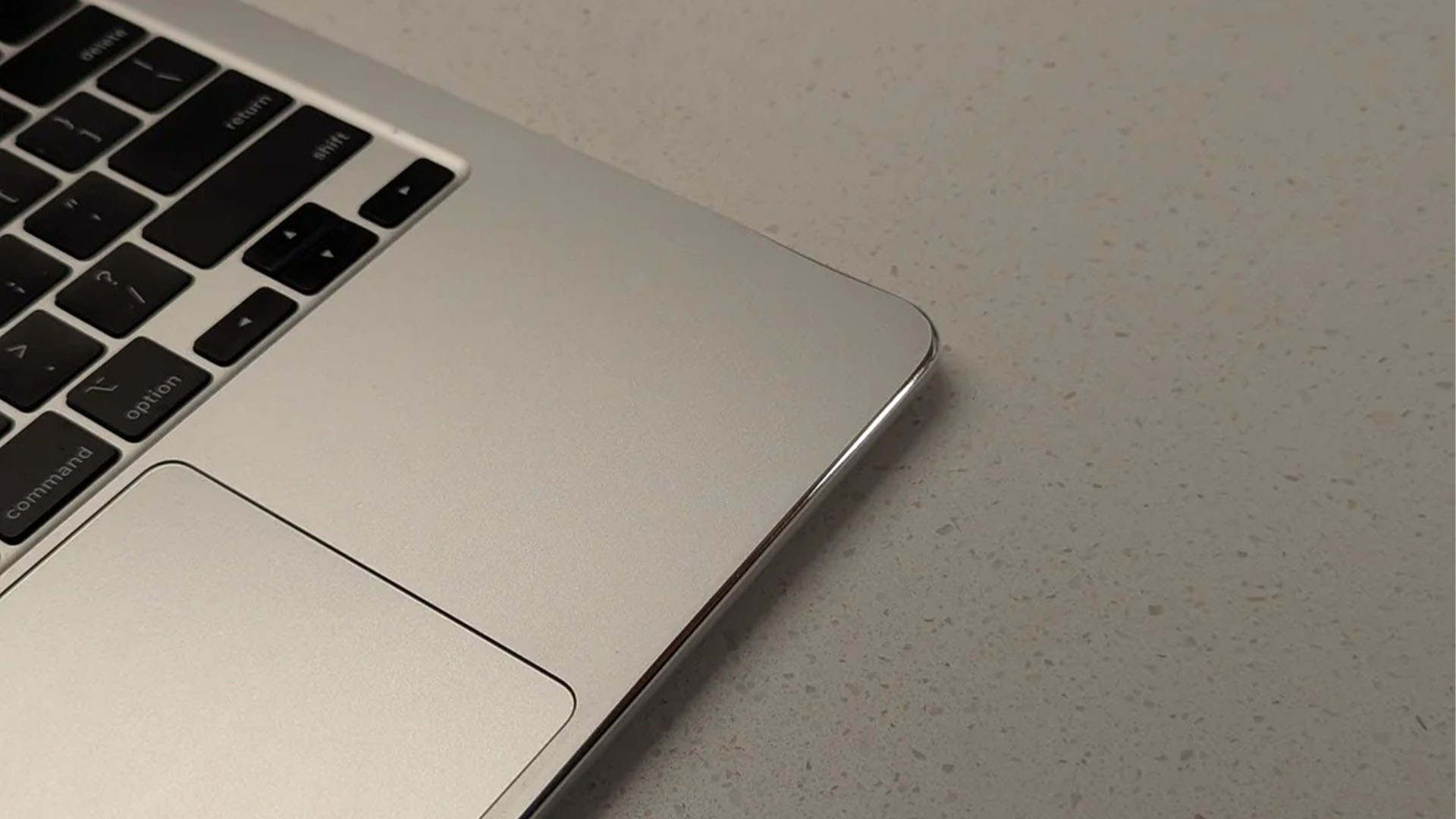
But there’s a downside some owners notice pretty quickly: the front edge. On certain units, the edge can feel sharper than expected, and during long typing sessions it may press uncomfortably into your wrists or hands. One 13-inch M3 MacBook Air owner liked the laptop overall, but found the sharp front lip irritating enough that he decided to modify the hardware himself.
Instead of living with the discomfort, the owner carefully sanded down the MacBook Air’s sharp edges to make the front feel smoother in daily use. According to his description, he worked on the front edge as well as parts of the back and sides, removing about 4 cm of the edge area. He used a 220-grit orbital sander to smooth the aluminum down, then applied an aluminum polish to clean up the finish and give it a more refined look. The end result appeared impressively neat and uniform, suggesting the work was done by someone with real hands-on experience.
Why do some laptops end up with sharper edges in the first place? A more aggressively machined aluminum design can help simplify manufacturing steps. Rounding and refining edges typically takes extra time and additional finishing work, so some designs prioritize clean lines and reduced production complexity, even if it means the edge feels a bit harsh during extended use.
Of course, sanding down an aluminum MacBook Air isn’t without trade-offs. A key drawback is that removing the anodized layer can make the exposed metal more vulnerable to oxidation over time. That can lead to visible blemishes or dulling in the polished area. In this case, the owner said the oxidation is manageable and can be wiped off when it appears, but it’s still something anyone considering a similar approach should keep in mind.
After the modification, he reported that the MacBook Air became far more comfortable for prolonged use—exactly the outcome he was aiming for. Still, this is not a DIY tweak to attempt casually. Sanding a premium laptop can permanently change its appearance, affect resale value, and create cosmetic inconsistencies if the work isn’t done carefully. Without the right tools and experience, it’s easy to end up with an uneven finish or accidental damage.
For MacBook Air owners who love the performance and portability of the M3 model but struggle with the feel of the front edge, this story highlights both an unconventional solution and the risks that come with it. If comfort is a major issue, less invasive options—like a palm rest, a desk mat, or adjusting typing position—may be safer alternatives before committing to permanent hardware changes.