A group of teenagers recently turned a birthday party into an unexpected game development sprint, showing just how powerful today’s LLM-based coding tools have become. With no formal lessons, no curriculum, and little to zero programming background, the kids spent a couple of hours creating more than ten custom games simply by describing what they wanted and letting an AI coding assistant generate the code.
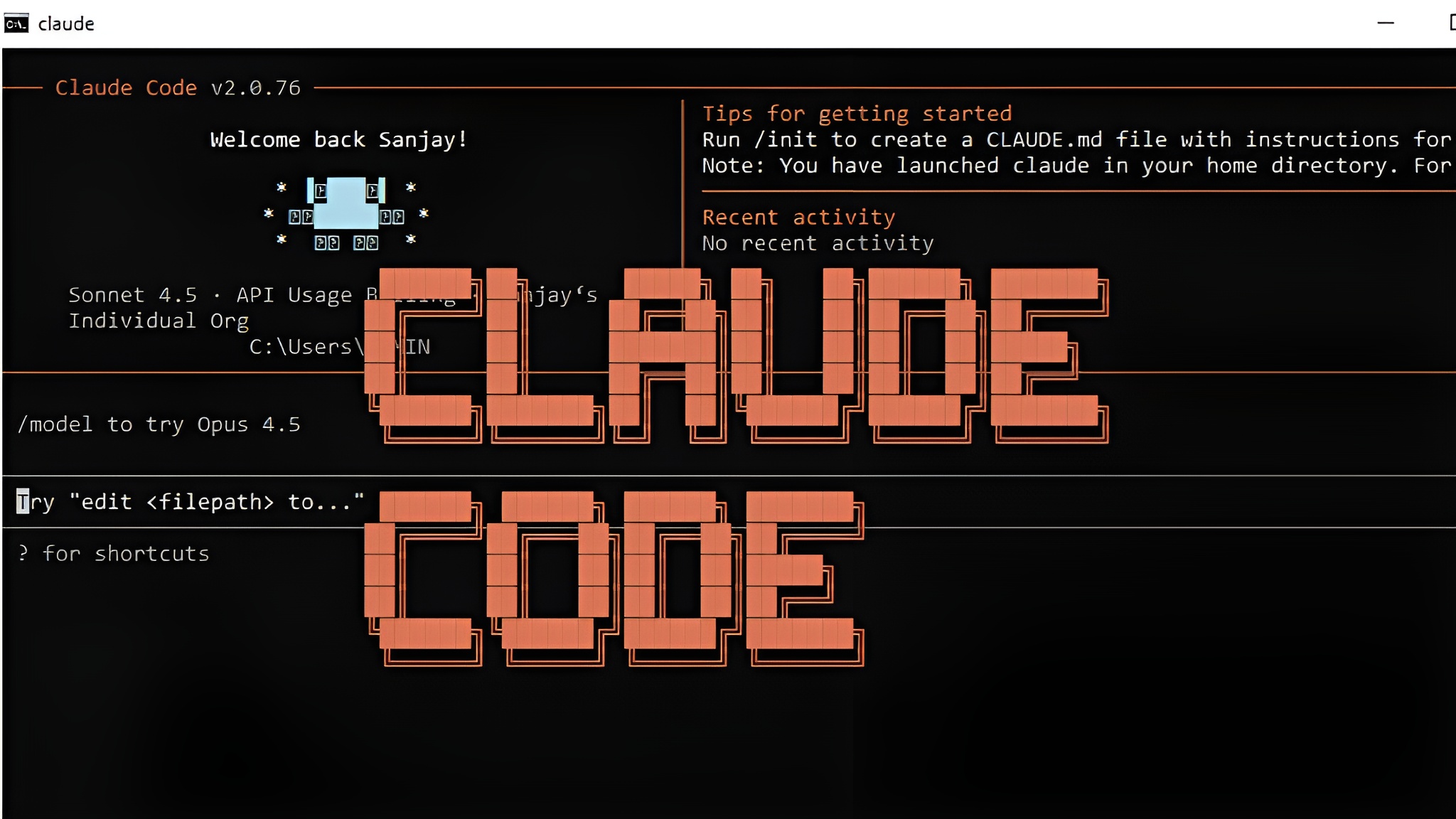
The story comes from a LinkedIn post by Sysdig Chief Information Security Officer Sergej Epp. During his son’s birthday celebration, Epp introduced the group to Claude Code, an AI programming tool from Anthropic designed to help people build software faster by turning natural-language prompts into working code. Instead of passively scrolling and playing games, the teenagers used prompts to make their own.
One detail that stood out: despite having no prior coding experience, a 13-year-old wrote a highly detailed prompt that was more than a page long. That level of specificity helped guide the AI toward implementing the ideas accurately. Over roughly two hours, the group iterated on their prompts, tested what they built, adjusted gameplay elements, and kept shipping new mini-projects until they had created around ten games.
Epp summed up the moment with an observation that captures why AI-assisted coding is drawing so much attention: he watched teenagers “go from consuming dopamine to producing it,” powered by nothing more than a tool and the freedom to create.
This isn’t an isolated example of AI code generation speeding up real work, either. The broader pattern is clear: people are using tools like Claude Code to dramatically reduce the time and friction required to prototype, build, and even port complex software. Recent anecdotes from the developer community describe projects that would normally take hours or days being completed in a fraction of the time with the right prompts and a tight feedback loop.
For anyone watching the future of software development, stories like this highlight a major shift. Coding is becoming more accessible to beginners while also enabling experienced developers to move faster. And sometimes, it’s turning an ordinary birthday party into a hands-on workshop where kids discover they can build games, not just play them.