Across the globe, institutions are grappling with the problem of excess energy produced during low demand periods, like the midday sun or overnight winds. However, researchers at the University of South Australia in Adelaide have found a promising solution that helps manage excess energy while reducing costs.
The team utilized a full year of data from their campus solar panels, electric vehicle (EV) charging stations, and electric vehicles to successfully decrease the amount of electricity purchased by the university. By smartly integrating information on available energy with the storage capabilities of the EVs on campus, they struck an elegant balance between supply and demand.
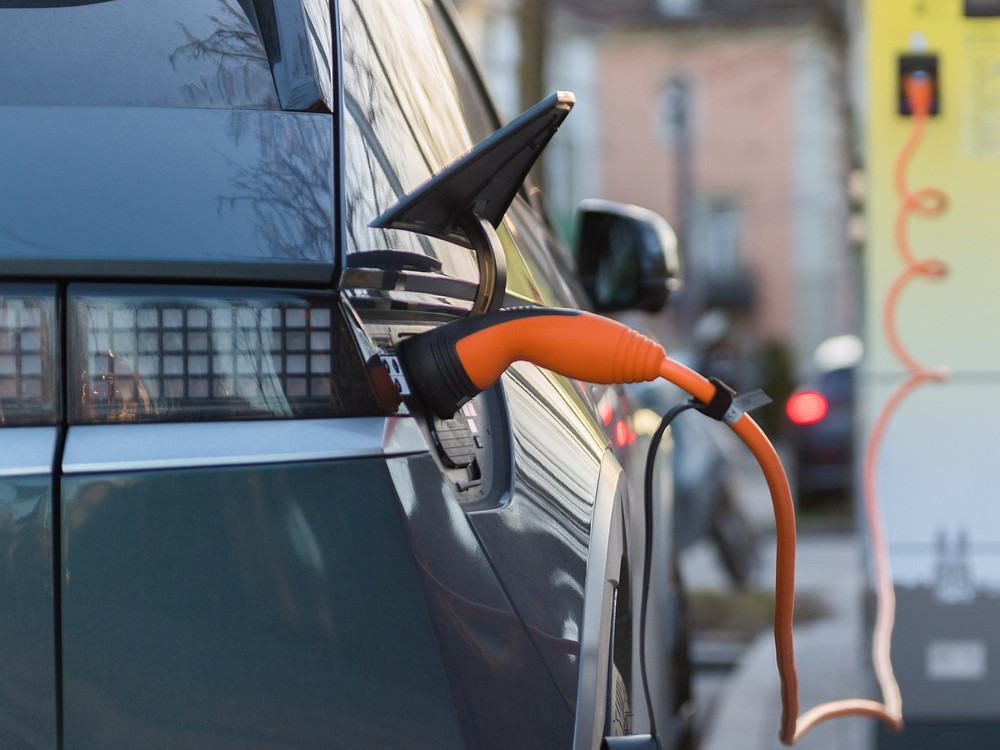
When there’s abundant sunshine, the parked EVs are opportunistically charged. If the campus generation dips below consumption, the electric vehicles’ batteries can contribute energy back to the grid, supporting the university’s energy needs. This serves as a small-scale model of what a modern, intelligent power grid could achieve by integrating expanded charging infrastructure, a larger fleet of EVs, and additional renewable energy resources.
The researchers discovered that even with offering free charging, the university managed to cut costs by utilizing the full potential of onsite solar generation, reducing the amount of external electricity required by up to 20%.
By scaling up their solar array and increasing the number of EVs, the university could arguably meet almost all its power needs using solar energy alone.
Historically, this concept was applied in pumped-storage hydroelectricity systems, which stored cheap energy by pumping water uphill and later releasing it to generate power during peak demand. However, current strategies employing smart meters, interconnected charging infrastructure, and distributed renewable generation are proving to be more flexible and efficient.
The key takeaway is that this kind of energy management can be achieved without sophisticated AI technology; it primarily requires the smart use of data and a well-integrated approach to renewable energy and EV charging.